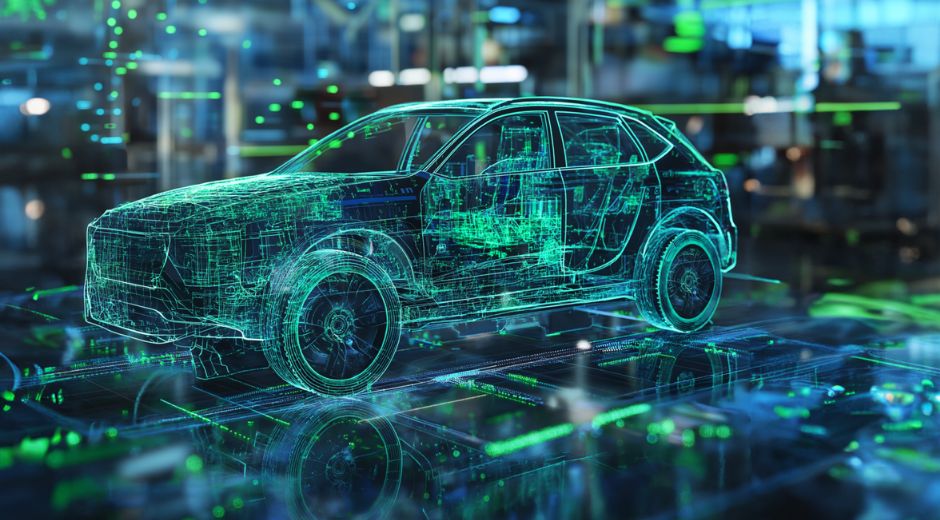
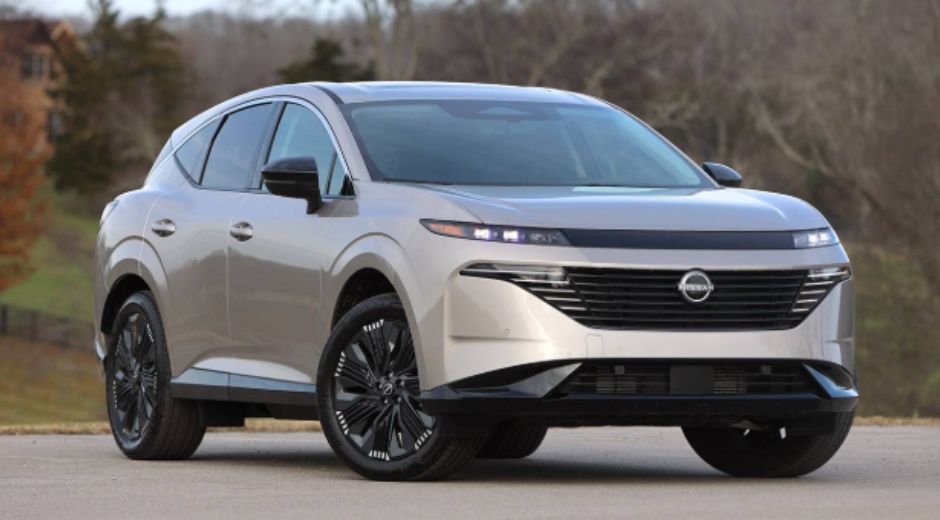
The rise of electric mobility has changed every part of automotive engineering. Batteries, motors, charging systems, onboard software, and mechanical design all play essential roles. Yet behind the scenes, one advanced capability determines how efficiently everything works. That capability is Power Management, a sophisticated strategy that controls how energy is stored, delivered, recovered, and used throughout the vehicle.
In a world where range, safety, performance, and sustainability matter more than ever, Power Management has become the silent engine of progress. It decides whether a vehicle operates with grace and efficiency or wastes valuable resources. Understanding this technology gives insight into why some electric vehicles feel refined and capable, while others fall short.
What Power Management Really Means in EVs
At its core, Power Management refers to the intelligent distribution and optimization of electrical energy inside a vehicle. It controls every flow of electricity, from high voltage battery output to low voltage auxiliary systems.
A well designed Power Management system decides:
• When to send energy to the motor
• How to use regenerative braking
• How to preserve battery health
• How climate systems consume energy
• How electronics behave under different loads
• How charging cycles are monitored and balanced
This orchestration ensures that no watt is wasted. By maximizing efficiency, Power Management improves range, supports longevity, and provides consistent performance.
Hardware and Software Working Together
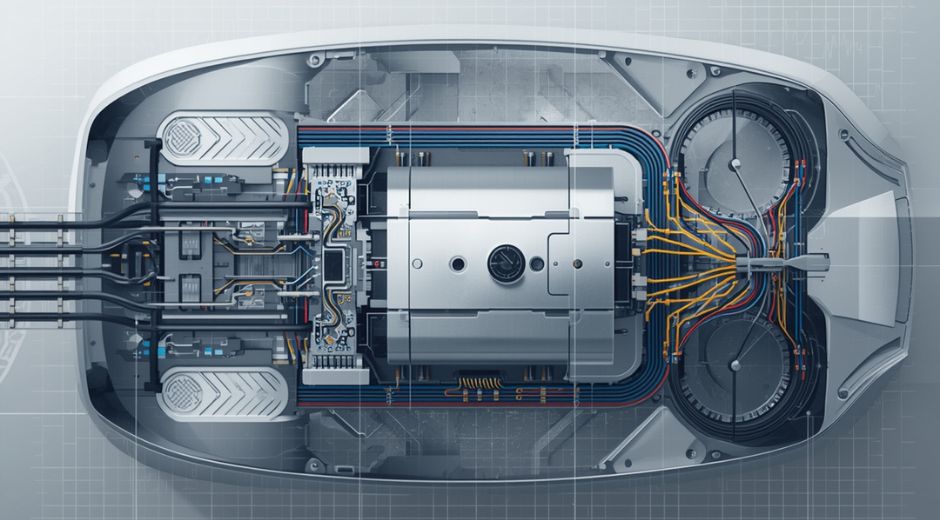
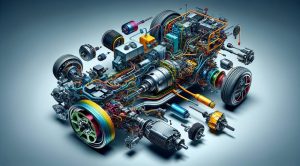
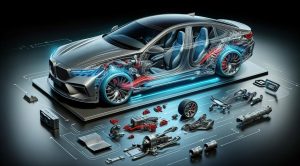
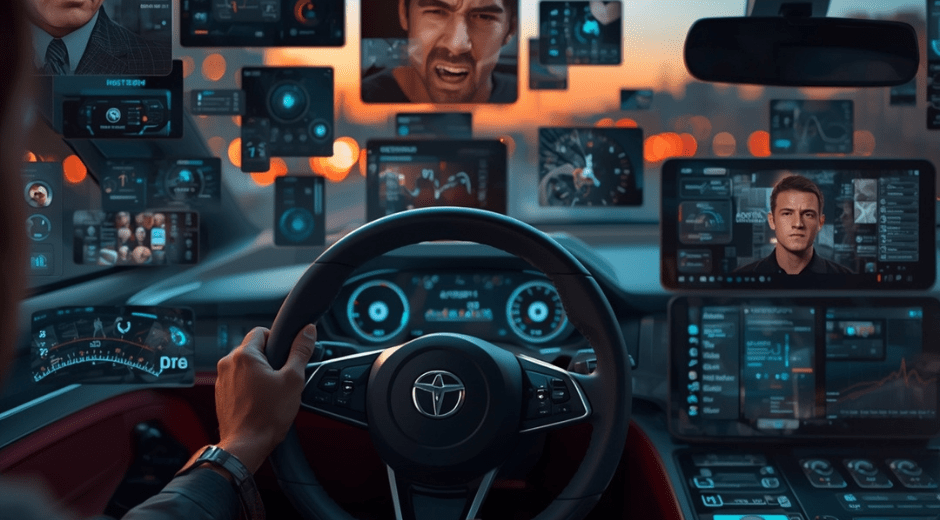
Modern Power Management systems rely on both physical components and intelligent software. Hardware includes inverters, converters, battery controllers, cooling systems, and high voltage wiring. Software interprets driving behavior, temperature, terrain, and energy availability.
Together they form a real time ecosystem that constantly adapts. EV powertrains are no longer simple mechanical systems. They are digital platforms capable of learning, predicting, and optimizing.
Battery Performance and Preservation
The battery is the heart of an electric car. Without proper Power Management, it wears out faster, wastes energy, and struggles to deliver consistent performance. Optimized systems ensure that individual battery cells receive balanced power, reducing stress.
This balance prevents overheating, extends lifespan, and stabilizes output. When drivers accelerate or climb hills, Power Management smoothly increases demand. When cruising or coasting, it reduces consumption and protects the battery from unnecessary load.
A healthy battery is essential for long range and long term value, and modern EVs rely on smart Power Management to ensure both.
Power Management During Acceleration
Electric motors produce instant torque, which can drain the battery rapidly if not controlled. Power Management limits unnecessary spikes, delivering smooth acceleration without sacrificing efficiency.
This prevents overstressing both the battery and the motor. The car feels responsive, but also controlled. Instead of aggressive bursts of power, the system optimizes the flow so drivers enjoy strong, predictable performance.
This balance is important not just for range, but also for safety and comfort.
Regenerative Braking as Power Recovery
One of the most important components of Power Management is regenerative braking. When the driver lifts their foot from the accelerator, the motor becomes a generator, converting kinetic energy into electricity.
The effectiveness of regenerative braking depends on smart control. Power Management determines how aggressively energy should be recovered, based on speed, battery temperature, traction, and driver preference.
The result is a smooth deceleration that feels natural to the driver while recharging the battery. This approach expands range and supports efficiency without requiring extra mechanical components.
Thermal Regulation and Cooling
Temperature is a major influence on battery and motor efficiency. Power Management continuously monitors heat levels and adjusts cooling systems.
Cooling fans, pumps, and refrigerant lines activate only when necessary, conserving energy while protecting components. This balance prevents overheating during fast charging or heavy acceleration.
Thermal Power Management also helps optimize range in cold weather by selectively warming battery cells to ideal operating temperatures. With precise temperature control, vehicles perform consistently in all climates.
Balancing High and Low Voltage Systems
Electric vehicles have two electrical systems. The high voltage system powers motors, the battery, and fast charging components. The low voltage system supports lighting, infotainment, climate control, sensors, and safety features.
Power Management decides exactly how much energy flows between these networks. It prevents overloads, eliminates inefficiencies, and keeps every system functioning smoothly.
Without well balanced Power Management, EV behavior becomes unpredictable. With it, everything feels orchestrated and stable.
Intelligent Use of Power Modes
Modern EVs offer multiple driving modes, each optimized for a specific experience. Comfort, Eco, Sport, and Winter modes all depend on Power Management adjustments.
Eco mode limits power output and prioritizes efficiency. Sport mode increases motor responsiveness while optimizing thermal conditions. Winter mode adjusts traction control and battery warming. Comfort mode blends these characteristics for a balanced ride.
These modes demonstrate how deeply Power Management influences vehicle personality.
Power Management During Fast Charging
Charging is one of the most energy intensive processes in EV ownership. Fast chargers deliver impressive speed, but they also create heat and electrical stress.
Power Management regulates the charging curve, ensuring the battery receives power safely. Early charging stages accept high speed current, while later stages gradually slow to protect cell structure.
This avoids damage, increases longevity, and maintains long term performance.
According to research published by Bloomberg Energy at bloomberg.com/energy, smart charging systems can increase battery lifespan by reducing stress during repeated fast charging.
Efficiency During Highway Driving
Highway driving is a challenge for EVs. Speed increases wind resistance and energy consumption. Power Management counters this by optimizing motor load and regenerative recovery.
It reduces power spikes, smooths acceleration, and stabilizes energy usage. The result is a more predictable rate of consumption, which helps drivers maintain longer range and better control.
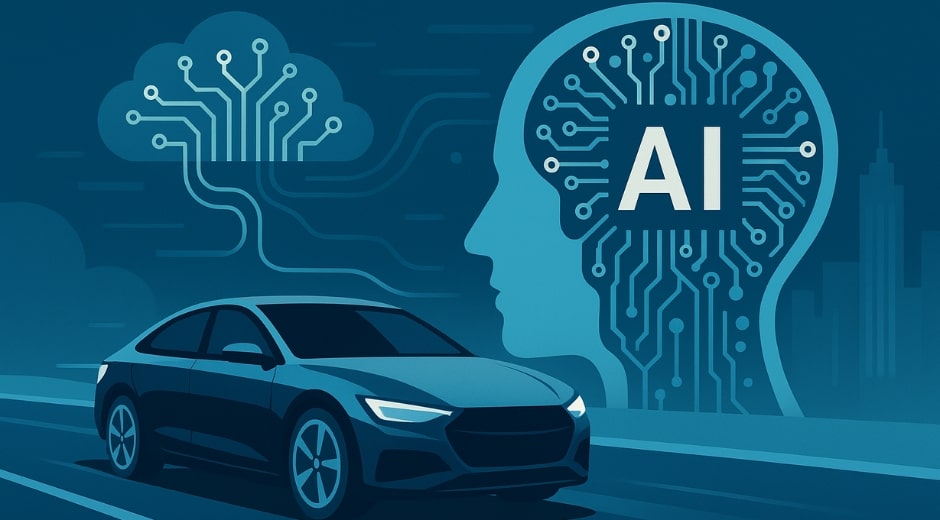
Predictive Energy Optimization With AI
The next generation of Power Management uses artificial intelligence. AI analyzes:
• Driver habits
• Traffic conditions
• Terrain
• Temperature
• Battery health
• Navigation data
By predicting energy demand ahead of time, the system makes preemptive adjustments. For example, if a hill is approaching, AI saves energy for the climb. If slow traffic lies ahead, regeneration settings prepare for stop and go conditions.
Predictive optimization creates a seamless experience where the car feels almost intuitive.
Enhanced Safety Through Power Management
Efficient energy control improves safety. Smart systems ensure that power delivery is stable, preventing traction loss during acceleration or slippery conditions.
Battery health monitoring prevents overheating that could lead to thermal events. Voltage balancing avoids electrical surges. Smooth torque distribution improves vehicle control.
Safety is no longer just mechanical. It relies heavily on perfect Power Management.
Power Management in Hybrid Models
In hybrid vehicles, Power Management becomes even more complex. The system must balance electric and combustion energy. It determines when the engine should start, when to rely on electric power, and how to combine both for efficiency.
Hybrid control algorithms optimize transitions so they feel seamless to the driver. This intelligent blending enhances mileage, reduces emissions, and improves responsiveness.
How Automakers Compete Through Power Management
Leading EV brands differentiate themselves through Power Management. Companies with advanced systems deliver better range, smoother driving, and longer battery life.
Tesla focuses heavily on software driven optimization. Hyundai uses ultra efficient inverters and high performance regeneration. Mercedes blends thermal control with predictive energy flow.
These distinctions influence buyer decisions as much as design or acceleration numbers.
Consumer Benefits of Good Power Management
Well engineered Power Management systems give drivers:
• Longer driving range
• Lower energy cost
• Smooth, intuitive performance
• Greater safety
• Longer battery lifespan
• Better winter efficiency
• More consistent comfort
These benefits turn electric mobility into a practical, enjoyable experience.
Sustainability and Resource Optimization
Better Power Management reduces the need for larger batteries. Smaller batteries mean lower manufacturing emissions, less material consumption, and more sustainable production.
Efficient energy use extends battery life, reducing recycling demand. Vehicles that consume less electricity also lower grid demand, supporting renewable infrastructure.
The Future of Power Management
Future innovation will bring:
• Advanced solid state battery controllers
• AI driven power ecosystems
• Vehicle to building energy flow
• Cloud connected battery management
• Predictive thermal systems
• Over the air power optimization updates
Vehicles will become active participants in the energy grid, storing and releasing power intelligently.
To follow the evolution of this technology and how automakers innovate with Power Management, readers can explore updates Moviefil or visit AutoShiftWise for more insights.
Conclusion
Power Management is the foundation of modern electric vehicle excellence. It transforms raw battery power into smooth performance, long range, and reliable operation. As mobility transitions into a digital, intelligent, and sustainable era, power optimization will lead every major advancement.
The future belongs to vehicles that use energy wisely. With the rapid evolution of Power Management, that future is already beginning to take shape.