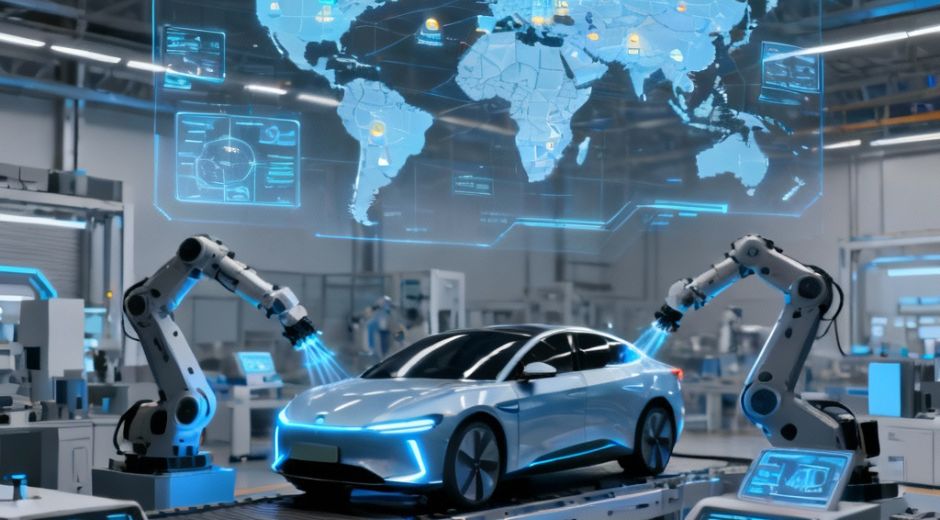
In an industry where timing, precision, and scale define success, automakers rely heavily on Production Forecasts to plan their next moves. Automotive manufacturing is no longer just about building more vehicles. It is about building the right vehicles, in the right markets, at the right time, with the right technology. To achieve this, companies analyze trends, supply chain risks, consumer behavior, and global economic indicators.
Production Forecasts allow manufacturers to anticipate demand, control investment, optimize resources, and stay competitive in a transforming world driven by electrification and digital mobility.
Why Production Forecasts Matter More Than Ever
A decade ago, forecasting production was relatively predictable. Fuel prices, regional trends, and economic cycles were the main variables. Today, the scenario is far more complex.
Automakers now must consider:
• Accelerating EV adoption
• Battery supply constraints
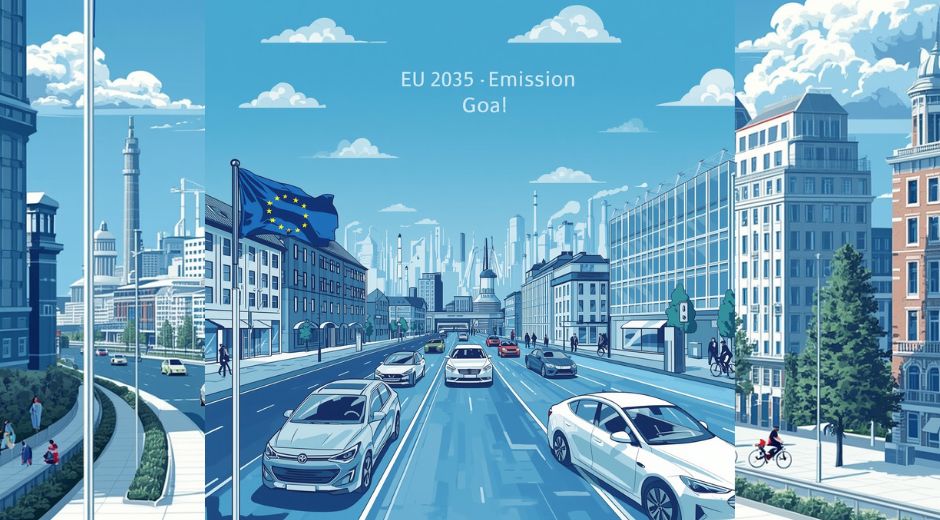
• Regional environmental regulations
• Volatile raw material costs
• Semiconductor availability
• Global trade shifts
• Sustainability requirements
• Fast evolving consumer expectations
These variables make Production Forecasts essential for avoiding overproduction, minimizing waste, and ensuring profitability. Manufacturers with accurate forecasts stay competitive, while those with weak strategies risk being left behind.
The Impact of Electrification on Production Forecasts
Electric mobility has completely changed how production planning works. Each EV requires specialized components, large battery packs, advanced electronics, and new assembly lines.
Forecasting EV demand is difficult because adoption varies widely across regions. Europe grows rapidly due to strong regulations. China leads in volume. North America is accelerating but depends on infrastructure expansion and federal incentives.
Manufacturers must create Production Forecasts that account for:
• Charging network availability
• EV tax incentives
• Local battery supply
• Consumer education
• New competitors in the EV space
Companies that underestimated early EV adoption now scramble to catch up. Many are investing billions into gigafactories to ensure stable production capacity.
Demand Forecasting and Consumer Trends
Modern Production Forecasts rely heavily on data science. Automakers analyze millions of data points from online searches, social media patterns, dealership metrics, economic reports, and mobility studies.
Consumer preferences are shifting toward:
• Electric powertrains
• Compact SUVs
• Digital dashboards
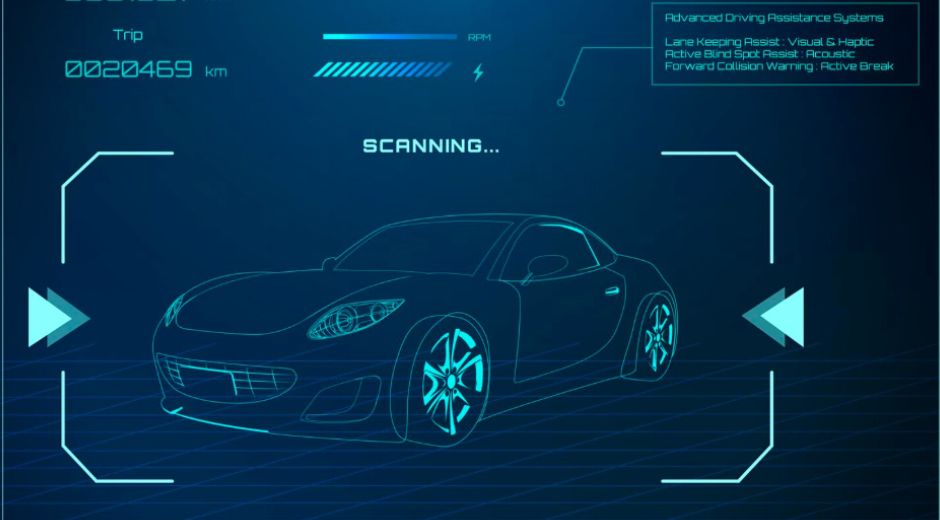
• Smart driver assistance systems
• Sustainability focused models
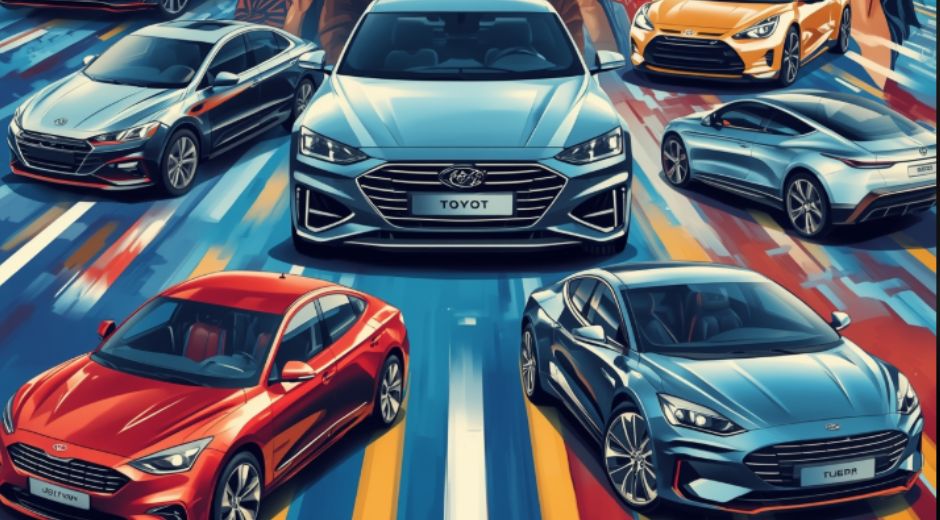
Vehicles that fail to match these expectations risk falling short in sales. Accurate forecasts help manufacturers adjust their product mix and prioritize high demand segments.
Inventory Planning and Market Timing
Inventory levels must align with Production Forecasts to avoid costly delays or surpluses. Too many vehicles lead to discounting and reduced profit. Too few lead to lost sales and irritated customers.
With global shipping challenges and raw material volatility, manufacturers now build flexible forecast models that adjust automatically based on real time conditions.
This dynamic forecasting approach supports agile production, where factories can shift models or configurations quickly to adapt to market changes.
Regional Forecasting and Localized Production
Global markets behave very differently. Electric vehicles dominate in Norway and China, but combustion vehicles still lead in regions with limited infrastructure.
To create accurate Production Forecasts, companies analyze factors like:
• Local regulations
• Cultural preferences
• Fuel prices
• Urbanization
• Charging availability
• Economic stability
Localization is growing. Automakers move production closer to customers to reduce shipping costs and increase agility. This makes regional forecasting even more critical.
Supply Chain Forecasting and Component Planning
The automotive supply chain includes thousands of parts from hundreds of suppliers across continents. Any interruption can disrupt production.
To avoid these issues, Production Forecasts integrate supply chain modeling that accounts for:
• Chip availability
• Battery materials such as lithium and nickel
• Shipping conditions
• Labor shortages
• Geopolitical tensions
The semiconductor shortage taught automakers that long term planning is crucial. Today, companies use sophisticated forecasting systems to predict component needs years in advance.
Gigafactories and Long Term Capacity Planning
Electric vehicles require massive battery production capacity. Production Forecasts play a major role in deciding where to build gigafactories and how much capacity they should support.
Manufacturers must predict future demand for EVs, estimate battery requirements, and plan investments accordingly. Mistakes here can cost billions.
Ford, Mercedes, BMW, Tesla, Hyundai, and Stellantis all rely on long term Production Forecasts to guide battery plant expansions around the world.
Workforce Forecasting and Skill Evolution
Production is not just machines. Human talent is essential. Forecasts must account for the skills needed for:
• EV manufacturing
• Battery assembly
• High voltage safety
• Software diagnostics
• Robotics management
Manufacturers now predict future workforce needs and begin training programs years ahead. As mobility shifts from mechanical engineering to software engineering, Production Forecasts help guide recruitment, education, and technical development.
Financial Forecasting and Investment Allocation
Production Forecasts influence how billions of dollars are invested each year. Automakers must decide:
• Which models to fund
• How many factories to upgrade
• Where to build new facilities
• How many batteries to preorder
• Which markets to prioritize
These decisions require precise models. Underestimating demand leads to missed opportunities. Overestimating demand leads to financial losses.
Technology Forecasting and New Platform Development
Modern cars are built on modular platforms. These platforms last a decade or more and support multiple models.
Production Forecasts determine which platforms will dominate future lineups. For example:
• EV dedicated platforms
• Lightweight architectures
• Software defined chassis
• Digital ecosystems
Automakers use forecasting to avoid building platforms that customers will reject or that cannot support future regulations.
Forecasting Through Artificial Intelligence
Artificial intelligence has transformed forecasting accuracy. AI systems analyze:
• Market signals
• Traffic patterns
• Vehicle usage data
• Charging behavior
• Economic indicators
• Social media sentiment
• Online shopping trends
This creates predictive models that improve over time. AI driven Production Forecasts are far more responsive and detailed than traditional forecasting techniques.
Global Production Forecast Reports
Industry analysts like S&P Global Mobility and major news outlets such as Reuters publish annual and quarterly Production Forecasts that influence company strategies. These reports analyze global manufacturing outlooks, EV adoption rates, and supply chain conditions.
For readers wanting current forecast data, you can explore automotive production insights at Reuters Automotive. Their coverage provides trusted forecasts used across the industry.
How Production Forecasts Affect Consumers
Consumers experience the impact of forecasts every day through:
• Availability of specific models
• Vehicle pricing
• Delivery times
• Technology adoption
• Incentive programs
• Dealer inventory levels
When forecasts are accurate, buyers enjoy better availability and pricing. When forecasts fail, shortages or surpluses create instability.
The Role of Governments in Forecasting
Governments influence production forecasts through regulations, emissions standards, and funding allocation. Examples include:
• EV subsidies
• Combustion engine bans
• Battery recycling rules
• Factory investment incentives
• Local manufacturing requirements
Manufacturers integrate these policies into their long term Production Forecasts to avoid non compliance and financial penalties.
Future Outlook
The next decade will see forecasting become even more essential. Trends that will shape future Production Forecasts include:
• Rapid EV market growth
• Battery recycling integration
• Autonomous driving development
• Hydrogen mobility expansion
• Digital ecosystem growth
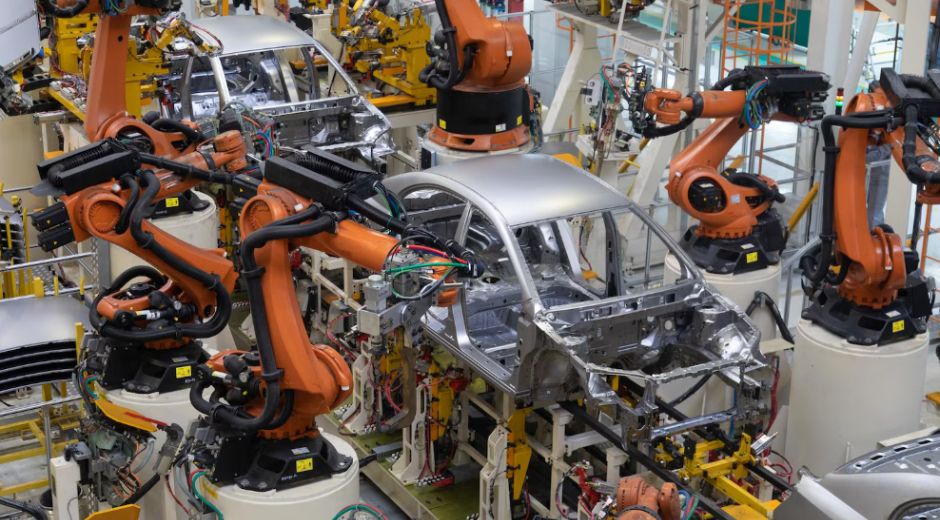
• Smart factory automation
• Supply chain reshoring
As vehicles become more software driven, forecasting must also include digital behavior and tech adoption cycles.
To explore how future planning and automotive forecasting influence industry strategy Moviefil or discover more analysis at AutoShiftWise.
Conclusion
Production Forecasts guide every major decision in the automotive industry. They determine what gets built, how much gets produced, where factories expand, and which technologies dominate. In an era defined by electrification, environmental responsibility, and rapid technological change, accurate forecasting is more important than ever.
Automakers that master Production Forecasts stay ahead of global shifts and build vehicles that meet the needs of tomorrow’s drivers. Those that fail risk being left behind in one of the most competitive industries on the planet.