Every new generation of vehicles brings something fresh to the automotive world. However, the biggest trend in today’s models is not simply the addition of new technologies, but the seamless blending of those technologies into an effortless user experience. This is known as Feature Integration, and it is the force reshaping how modern cars are designed, engineered, and enjoyed.
Consumers no longer want fragmented systems or complicated dashboards. They want harmony. They want intelligence that feels natural, not overwhelming. As a result, manufacturers are turning to Feature Integration to unify performance, convenience, connectivity, safety, and comfort into a single coherent vision.
What Feature Integration Really Means
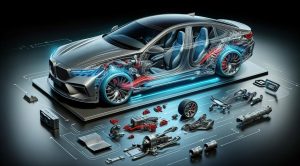
Feature Integration is more than adding multiple systems into a car. It is about making them work together intuitively. Instead of treating each function as an isolated component, automakers now approach design holistically, ensuring that the driver interacts with a complete ecosystem rather than scattered tools.
True Feature Integration ensures that:
• Screens communicate with sensors
• Navigation interacts with driving assistance
• Climate systems work with energy efficiency tools
• Audio systems adapt to cabin acoustics
• Apps integrate with vehicle health and charging planning
• Safety features operate in harmony
The result is a modern vehicle that feels alive, intelligent, and designed for real human behavior.
Why Feature Integration Defines Modern Releases
New car buyers care about more than horsepower and styling. They look for:
• Connected mobility
• Smart comfort
• Effortless control
• Digital convenience
• Personalized settings
To meet these expectations, automakers embed advanced systems deep into the architecture of new models. Feature Integration makes driving safer, more enjoyable, and more efficient.
The Rise of Centralized Control Platforms
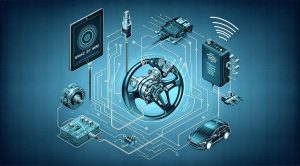
Older vehicles used multiple independent modules to control sensors, navigation, climate, and entertainment. Today, centralized computing platforms combine these systems into one software hub.
This shift allows quicker processing, smoother user interfaces, and instant communication between features. For example, navigation can adjust battery consumption, climate control can optimize energy use, and safety systems can intervene intelligently.
Central processing units simplify updates as well. Over the air improvements become easier because there is one core to adjust rather than dozens of separate modules.
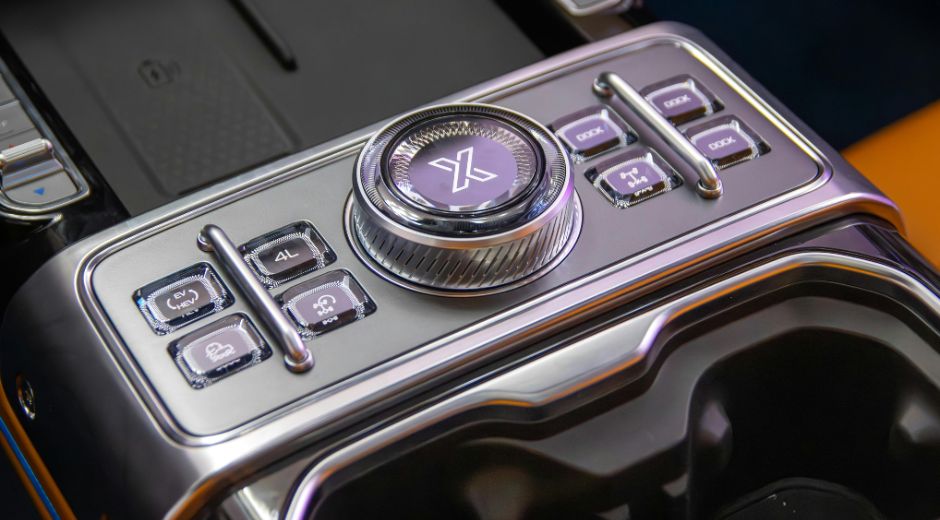
Integrated Digital Dashboards and Smart Displays
Digital dashboards are becoming the centerpiece of Feature Integration. Instead of scattered buttons, drivers see information arranged intuitively across touch screens, instrument clusters, and head up displays.
Modern releases include:
• Split screen layouts for multitasking
• Widgets that adapt to driving mode
• Map displays integrated into the gauge cluster
• AI suggestions based on past behavior
The beauty of integrated screens is not just the technology, but how they communicate with other vehicle systems. Navigation reacts to traffic. The vehicle reacts to navigation. Everything blends into a unified digital environment.
Voice Control That Connects Everything
Voice assistants have evolved from simple command tools into advanced digital companions. Thanks to Feature Integration, modern assistants control nearly every part of the vehicle, including:
• Climate settings
• Navigation
• Media
• Charging plans
• Seat adjustments
• Driving modes
• Cabin lighting
Instead of fragmented interactions, voice control ties multiple features together into one fluid experience.
Integration of Comfort and Wellness Features
Comfort technologies can now communicate with vehicle behavior. Smart seat systems use pressure sensors and occupant detection to adjust support levels. Climate systems read humidity, temperature, and sunlight intensity to regulate interior conditions automatically.
Wellness settings combine:
• Light therapy
• Ambient sound
• Seat massage
• Air purification
• Temperature balancing
These systems work together, not separately, creating an atmosphere that supports relaxation and focus. Feature Integration ensures these elements complement each other rather than competing for attention.
Safety Systems Working as One
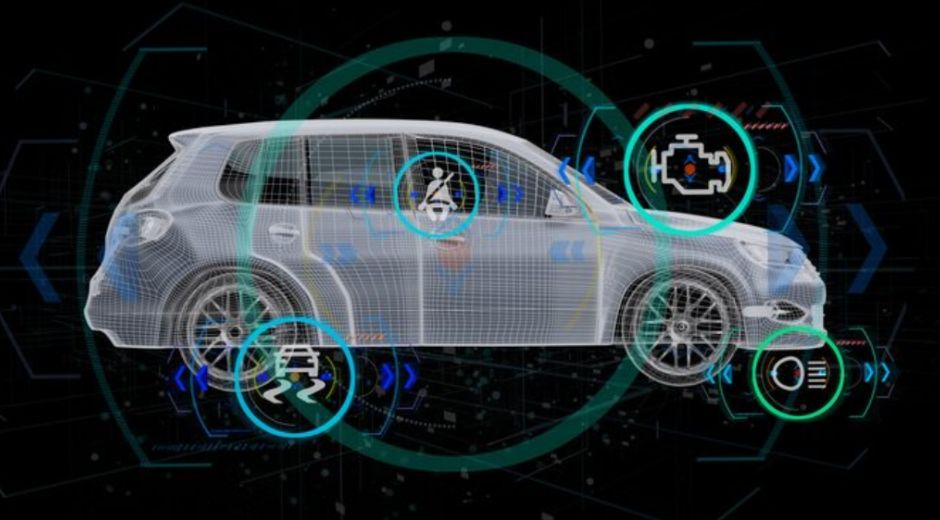
Safety has undergone a revolution thanks to integration. Old safety features like lane assist or blind spot detection operated independently. Today, everything is connected.
Feature Integration allows:
• Cameras to support radar
• Radar to support ultrasonic sensors
• Sensors to support AI hazard prediction
• Navigation to give safety systems contextual awareness
For example, adaptive cruise control uses map data to slow the vehicle before sharp turns. Forward collision systems use camera angles combined with radar distance measurements. The anti lock braking system communicates with traction control to manage slip on slippery roads.
Safety is no longer a set of tools. It is an intelligent network.
Driving Assistance and Smart Mobility
Automated driving features depend heavily on Feature Integration. The vehicle must fuse information from sensors, cameras, GPS, and digital maps to operate reliably.
Modern systems integrate:
• Lane centering
• Adaptive steering
• Predictive speed control
• Traffic sign recognition
• Self parking
• Surround view cameras
This integration improves accuracy and reduces reaction time. Instead of relying on one sensor at a time, the system takes input from all available sources.
Integration With Smartphones and Digital Ecosystems
Smartphones play a major role in vehicle experience. Feature Integration brings seamless connectivity between the driver’s digital life and the car’s internal systems.
Drivers enjoy:
• Wireless Apple CarPlay and Android Auto
• Car sharing and digital keys
• Remote climate start
• Location memory
• Charging control from mobile apps
• Service scheduling through the vehicle interface
Everything synchronizes in real time. Drivers feel connected wherever they go.
Intelligent Navigation Connected to the Vehicle
Navigation is now a central part of the integrated ecosystem. It interacts with energy management, climate settings, and safety tools.
Modern navigation systems:
• Predict charging stops
• Suggest eco friendly routes
• Adjust climate consumption for long trips
• Predict traffic density
• Warn about road conditions
• Display real time parking availability
This is Feature Integration in action. The system is not just guiding you, but supporting every part of the journey.
Integration of Charging and Energy Systems
Electric vehicles rely heavily on smart energy systems. Feature Integration allows the car to adjust charging speed, route planning, driving modes, and thermal control based on energy needs.
For example:
• Battery temperature management adjusts based on navigation
• Charging stops are predicted
• Cabin climate reduces intensity to save range
• Driving modes influence energy flow
Integrated systems help increase range, reduce charging time, and extend battery lifespan.
Audio Systems That Respond to Cabin Design
Premium vehicles now use integrated acoustic design. Speakers communicate with cabin sensors to adjust EQ, volume, and spatial effects. Noise cancellation interacts with regenerative braking and motor behavior.
This produces a calm and immersive environment, and it strengthens the overall sense of unity inside the cabin.
Heads Up Displays and Augmented Interfaces
Through Feature Integration, head up displays project information such as navigation prompts, speed, safety alerts, and lane guidance directly onto the windshield.
These systems reduce distraction and support intuitive driving. As augmented reality evolves, this integrated visual layer will become even more essential.
AI Personalization
Artificial intelligence has become a central part of integrated vehicle ecosystems. AI analyzes driving habits, seating preferences, music choices, climate behavior, and even stress levels.
Then it customizes the experience.
AI supports:
• Custom driving profiles
• Predictive route suggestions
• Personalized comfort settings
• Automatic seat and mirror adjustments
• Adaptive lighting themes
True Feature Integration makes every drive feel tailored to the individual.
Connected Updates and Long Term Integration
Thanks to connected platforms, vehicles continue evolving long after purchase. Over the air updates improve safety features, add new apps, enhance audio, refine navigation, and optimize battery performance.
Manufacturers like Mercedes, Volvo, Tesla, BMW, and Hyundai push regular improvements through cloud systems.
Industry reports from Top Gear at topgear.com highlight that integrated platforms allow manufacturers to update dozens of features in a single rollout, improving the vehicle’s lifespan and value.
The Role of Feature Integration in Future Mobility
The future of mobility will depend entirely on deep, intelligent integration. Cars will communicate with homes, cities, charging networks, other vehicles, and cloud systems.
Future integrations include:
• Smart city traffic data
• Vehicle to grid energy flow
• Predictive maintenance systems
• AI based hazard detection
• Personalized in car experiences
• Universal digital vehicle passports
This evolution will accelerate as automakers compete to create the most unified and intelligent driving experience.
To explore daily updates on new technologies and Feature Integration, readers can visit SportSoulPulse or explore expert coverage at AutoShiftWise.
Conclusion
Feature Integration is the defining characteristic of modern vehicle design. Instead of viewing technology as separate additions, automakers now bring every system together into one intelligent, connected ecosystem.
New releases feel smoother, smarter, and more human centered because each component communicates with the others to create a unified experience.
As integration deepens, vehicles will become more intuitive, efficient, and emotionally satisfying, shaping the future of mobility for decades to come.