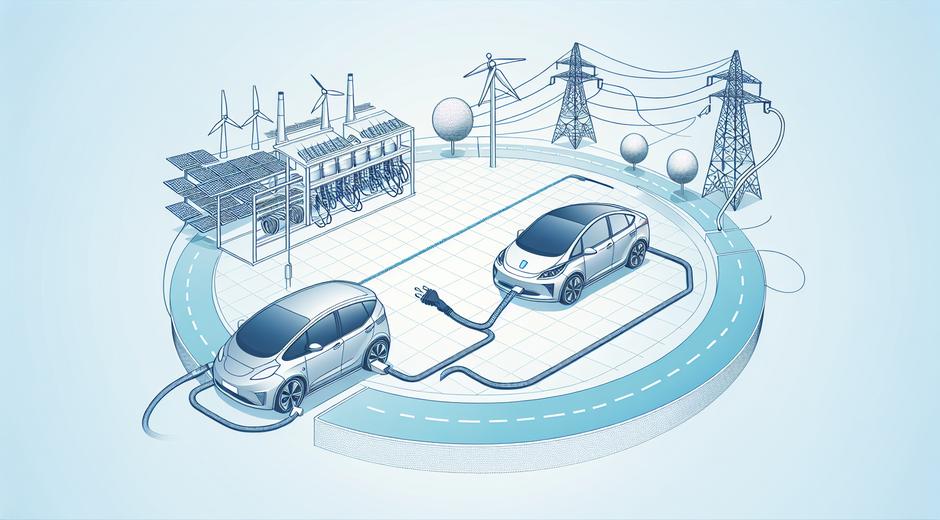


Energy Storage for Modern Vehicles and Mobility
Energy Storage is at the heart of the automotive transition. As cars evolve from pure mechanical machines to connected electric platforms, efficient and resilient storage solutions determine range, performance and long term value. This article explores the role of Energy Storage in cars and transport systems, examines current technologies, and outlines practical steps drivers and fleet managers can take to get the most from storage systems while supporting sustainable mobility.
Why Energy Storage Matters for Cars
Energy Storage defines how much usable power a vehicle can carry, how fast it can recharge, and how long components will last. In electric vehicles efficient storage directly affects real world range and total cost of ownership. In hybrid systems storage supports fuel saving strategies and enables energy recovery during braking. Even for traditional vehicles advanced storage supports auxiliary systems and stabilizes onboard power networks.
For buyers and fleet planners Energy Storage performance is a core decision factor when comparing models. Beyond battery chemistry, the software that manages charging, thermal control and state of charge estimation plays a major role in real life outcomes. High quality integration between vehicle control systems and storage hardware reduces degradation and extends warranty expectations.
Main Types of Energy Storage Used in Vehicles
There are several Energy Storage technologies used in cars today. Each has strengths and trade offs for cost, power density and longevity.
- Lithium ion batteries These dominate current electric vehicle markets due to favorable energy density. Advances in cell design and pack cooling have improved safety and cycle life.
- Sodium ion batteries Emerging as a lower cost alternative for some applications where extreme energy density is not the highest priority.
- Solid state batteries Under development and promising higher energy density and improved safety compared with liquid electrolyte designs.
- Ultracapacitors Excellent for high power bursts and rapid energy recovery from braking. Often paired with batteries for improved overall system performance.
- Hydrogen storage with fuel cells An alternative pathway where on board storage stores hydrogen that feeds a fuel cell to create electric power.
Choosing the right storage approach depends on vehicle type and use case. Urban delivery vehicles may favor storage systems optimized for durability and fast recharge. Long distance passenger vehicles prioritize energy density and sustained discharge performance.
How Storage System Design Affects Vehicle Behavior
Storage system design and battery management systems work together to deliver peak performance while protecting components. Key design elements include cell selection, pack architecture, thermal management and control algorithms that balance charging speed with life expectancy. Proper thermal management prevents overheating and reduces capacity fade over time.
Regenerative braking systems directly tie into Energy Storage behavior. A well tuned system recaptures a significant portion of braking energy and feeds it back to storage, improving overall efficiency. Storage systems that accept high power input without excessive heat buildup enable better energy recovery and smoother driving dynamics.
Charging Infrastructure and Energy Storage Interaction
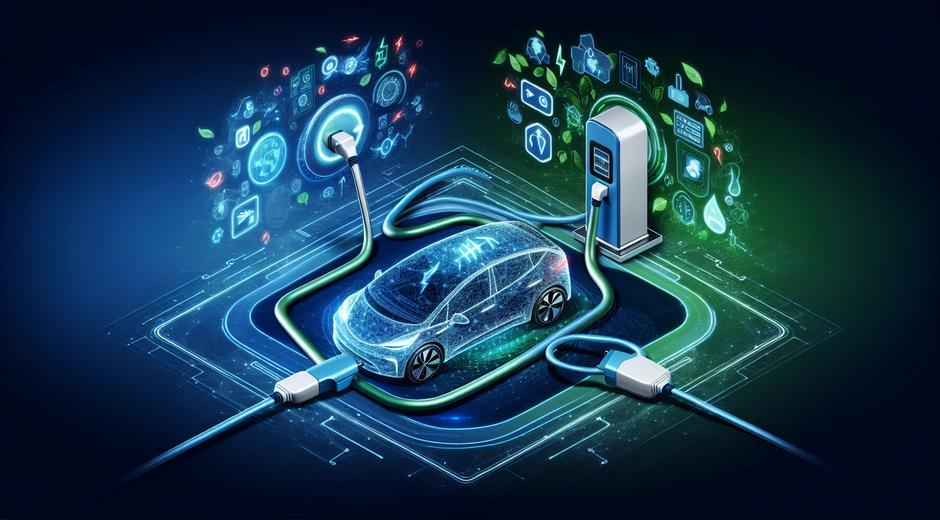
Charging behavior influences how storage ages. Fast charging can be convenient but if used exclusively it can accelerate capacity loss in some storage chemistries. Smart charging strategies that limit charge to optimal windows and avoid full charge when not needed extend lifespan. Integration with grid services such as time of use pricing or vehicle to grid programs can offset energy costs and provide grid flexibility.
For drivers who want practical guidance on selecting vehicles and optimizing charging habits, resources on vehicle features and storage management can be valuable. Our editorial team at autoshiftwise.com curates buying guides and real world test data to help buyers choose storage systems that fit their driving patterns.
Maintenance and Safety Considerations
Maintaining Energy Storage health includes following manufacturer recommendations for charging, avoiding extreme temperatures when possible and performing scheduled system checks. Modern vehicles include diagnostics that monitor cell balance and can alert owners if performance drifts. For buyers, selecting a vehicle with a strong warranty and clear support network helps reduce risk.
Safety is critical. Storage systems must be designed to isolate cells in case of failure and prevent propagation of thermal events. Robust vehicle architecture and tested crash management strategies mitigate the chance of storage related incidents. Always rely on certified service centers for any storage system repairs or replacements.
Environmental and End of Life Considerations
Energy Storage sustainability includes the entire lifecycle. Responsible sourcing of raw materials, efficient manufacturing and recycling capability at end of life are all part of a sustainable strategy. Recycling recovers valuable metals and reduces environmental impact. Policies that support reuse and recycling of storage systems increase resource efficiency and reduce waste streams.
Manufacturers and policy makers are investing in second life applications where automotive storage assets find new use as stationary grid or home storage once capacity for vehicle use declines. These second life systems can deliver value while deferring recycling until later, improving total resource use efficiency.
Emerging Trends and What to Watch
Several trends will shape the next phase of Energy Storage in vehicles. Cell chemistry innovation will keep improving energy density and safety. Advances in manufacturing will reduce cost and widen adoption. Connectivity and over the air updates will allow storage control software to evolve after the vehicle leaves the factory. Finally, collaboration between grid operators and vehicle fleets will enable new services that use stored energy as a flexible resource.
Consumers should watch for vehicles that offer transparent metrics on battery health and include features that adapt charging to real world needs. Fleet operators should evaluate total cost of ownership including energy costs and expected residual value of storage assets.
How Drivers and Fleet Managers Can Optimize Storage Value
Simple practices help protect Energy Storage value. Avoid prolonged full charge when not needed. Favor moderate charge levels for storage parking periods and use smart charging schedules to fill batteries during low cost energy windows. For vehicles that support regenerative braking, tune driving style to maximize recovery opportunities without sacrificing safety.
For fleets, implementing centralized charging management and predictive maintenance reduces downtime and extends asset life. Investing in high quality charging infrastructure that communicates with vehicle systems ensures efficient energy flow and protection of storage assets.
Conclusion and Practical Resources
Energy Storage is a foundational technology for modern mobility. It determines range, performance and long term cost. By understanding the options and following best practices for charging and maintenance, drivers and fleet managers can maximize value while supporting sustainability goals. For up to date reviews and comparisons across vehicle models and storage technologies visit our site where we provide expert analysis and buyer guidance.
If you are looking for complementary resources that focus on wellbeing and ergonomics for drivers with long hours on the road, consider reviewing professional services available through partners such as BodyWellnessGroup.com which offers practical programs to support driver health and comfort.
Energy Storage will continue to evolve and shape the future of cars. Staying informed and choosing vehicles with transparent storage strategies is a practical way to benefit from this transformation while minimizing unexpected costs.