

Charging Capacity Explained A Complete Guide for Car Owners
Charging Capacity is a critical concept for anyone who owns or is considering an electric car. As vehicle models evolve and charging networks expand, understanding Charging Capacity helps drivers plan trips reduce charging time and get the most value from their investment. This article explains the technical and practical aspects of Charging Capacity and offers actionable tips for choosing the right equipment and charging strategy.
What Charging Capacity Means for Electric Vehicles
Charging Capacity refers to the amount of electrical energy that a car can accept from a charger during a given period. It is often expressed in kilowatts for the rate of charging and in kilowatt hours for the total energy stored in the battery. A higher Charging Capacity means faster charging when the car and the charger are compatible. Real world charging performance depends on the vehicle battery management system the charging equipment and external conditions such as temperature.
Why Charging Capacity Matters
Charging Capacity affects several important aspects of electric vehicle ownership. It determines how quickly you can restore range how long you need to wait at a public charger and how flexible your travel planning can be. For fleet operators and commuters Charging Capacity influences downtime and total cost of operation. For private owners it impacts daily convenience and long trip planning.
Key Terms Related to Charging Capacity
To make informed decisions it helps to know a few key terms. Battery capacity is measured in kilowatt hours and indicates how much energy the battery can store. Charge rate is measured in kilowatts and indicates how fast energy can be added. State of charge refers to the current fill level of the battery expressed as a percentage. Battery management systems regulate Charging Capacity to protect battery life and ensure safety.
Types of Charging and Typical Charging Capacity Levels
There are three main charging levels that drivers will encounter. Level one is household charging using a standard outlet. Level two uses dedicated home or public chargers and offers higher Charging Capacity with reduced charging time. Fast charging uses direct current at higher power levels allowing rapid energy transfer suitable for long trips. Not all cars accept every level and some vehicles limit the maximum charging rate to protect battery health.
How Vehicle Design Influences Charging Capacity
Charging Capacity is shaped by the battery chemistry thermal management and the onboard charging hardware. A well designed thermal system keeps the battery within an optimal temperature window allowing higher sustained charge rates. Vehicles with advanced battery management systems can accept higher peak power safely. Manufacturers sometimes tune Charging Capacity to balance rapid charging with long term battery durability.
Real World Factors That Affect Charging Speed
Several practical factors change the effective Charging Capacity you experience. Ambient temperature plays a major role since very cold or very hot conditions can reduce the safe charging rate. Cable and connector quality matter because resistance in the circuit reduces the power delivered. Charger availability and network congestion can limit how long you can charge at peak rates. Finally the current state of charge influences speed since charging usually slows as the battery approaches full.
How to Maximize Charging Capacity at Home
Upgrading your home charging setup can significantly increase convenience. Installing a level two charger and ensuring your electrical panel can supply the required power increases the effective Charging Capacity of overnight sessions. A professional electrician can advise on circuit capacity and installation best practices. Regular maintenance of connectors and cables helps maintain reliable performance over time.
Choosing Public Chargers Based on Charging Capacity
When selecting public chargers consider both the rated power of the station and the peak Charging Capacity supported by your vehicle. Fast chargers are useful for long distance travel but may require a small premium for convenience. Use apps and charging maps to identify stations that match your vehicle charging profile. Planning stops at chargers with adequate Charging Capacity reduces total travel time and stress.
Battery Health and Charging Capacity Management
Frequent high power charging is convenient but can affect long term battery health if not managed correctly. Many manufacturers recommend a mix of regular moderate charging and occasional high power sessions. Some cars allow setting a charging limit to avoid full charge and reduce aging. Understanding how Charging Capacity interacts with battery health helps you strike the right balance between speed and longevity.
Cost Considerations for Charging Capacity
Higher Charging Capacity can come with higher installation cost for home chargers and higher fees at public stations. However faster charging can save time which is valuable for many drivers. When evaluating total cost of ownership consider both energy pricing and the time saved by faster Charging Capacity. For business owners and fleet managers this calculation should also include vehicle uptime and labor cost related to charging events. For more resources on finance and cost planning see FinanceWorldHub.com where experts discuss energy expense analysis and financing options.
Future Trends That Will Affect Charging Capacity
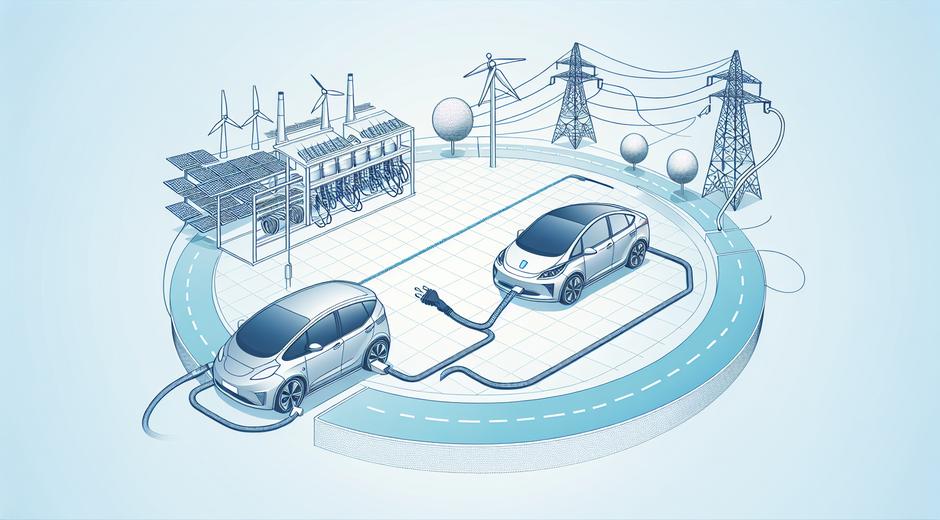
Charging Capacity is improving as technology advances. Battery technologies are increasing energy density and allowing higher intake rates. Charger networks are expanding with higher power stations becoming more common. Vehicle to grid initiatives may allow cars to share energy with the grid at times when that improves efficiency. These developments will gradually change expectations for Charging Capacity and drive new options for drivers and fleet operators.
Practical Tips to Optimize Charging Capacity Use
1 Plan your charging stops based on both route and available charging power.
2 Keep software updated since manufacturer updates can improve charging performance.
3 Precondition your battery when possible to reach optimal temperature before fast charging.
4 Avoid charging to 100 percent unless needed for travel to reduce stress on battery.
5 Use a reputable installer and quality equipment for home charging to ensure reliable Charging Capacity.
How to Learn More About Charging Capacity on Our Site
If you want more articles reviews and guides about electric vehicle technology and Charging Capacity visit our main page at autoshiftwise.com where we publish practical insights for drivers of all experience levels. Our coverage includes comparisons of models and charging equipment as well as maintenance and cost guides.
Conclusion
Charging Capacity is a key factor in the electric vehicle experience. It links the capabilities of the car with the infrastructure around it and directly affects convenience travel time and long term cost. By understanding the technical basics and the practical considerations you can choose systems and routines that match your needs. With improving technology and expanding networks Charging Capacity will continue to get better making electric cars easier to own and operate for a wider range of drivers.