

Charging Etiquette
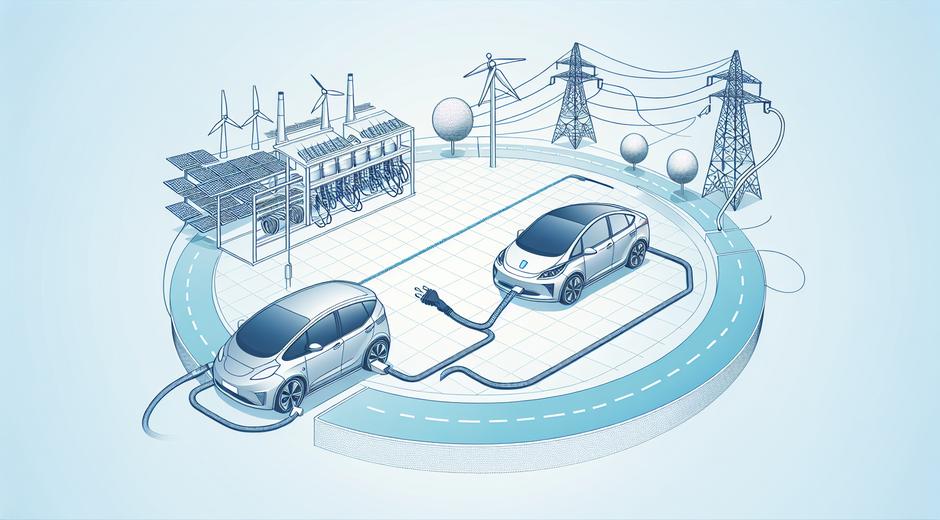
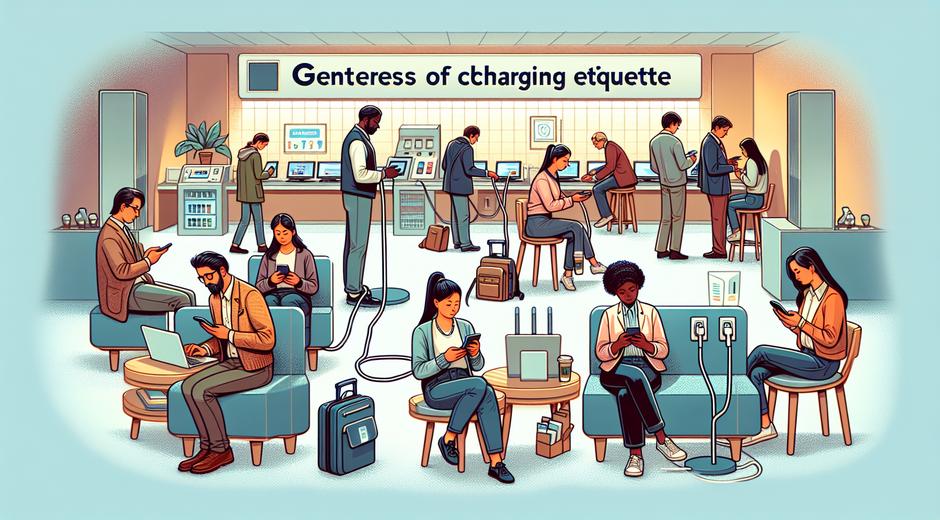
Charging Etiquette is the set of behaviors and norms that drivers follow when using public charging stations for electric vehicles or plug in hybrids. As more drivers migrate to electric mobility, courteous use of shared charging infrastructure becomes essential for a smooth user experience and for accelerating adoption. This guide covers practical rules and friendly practices that every driver should know to avoid conflicts and to make the most of charging networks. It also offers tips for hosts and property managers who provide charging points.
Why Charging Etiquette Matters
Good Charging Etiquette helps reduce wait times and prevents frustration. When drivers follow simple guidelines such as only using a charging stall while actively charging or moving their vehicle promptly when charging completes, the whole community benefits. Polite behavior also protects station owners from damage and helps maintain positive public perception of electric vehicle technology. In many urban areas with limited charger access, common sense and mutual respect are as important as technology in ensuring fair access.
Before You Plug In
Preparation is the first step in courteous charging. Familiarize yourself with the charging network app and the station layout before arrival. Check the connector type and maximum power output to confirm compatibility with your vehicle. If the station requires payment or membership, have your account ready to avoid delays. Planning helps you choose a station that meets your needs for time and range.
When searching for local tips or charging station reviews check trusted resources such as autoshiftwise.com for practical guidance on charger types and ideal charging practices. These resources often include maps and etiquette notes shared by other drivers.
At the Charging Station
Arrive with a clear plan. If you drive an electric vehicle with a towing hitch or cargo rack that could block adjacent spaces, be mindful of space usage and park so that others can access nearby chargers. Always park within the lines and position your vehicle so the cable reaches comfortably without stretching across other spots.
Begin charging promptly after you park. If you accidentally unplug another vehicle or need to move a cable, communicate with the other driver if they are present and act respectfully. Many modern chargers and networks allow remote communication through apps so you can send a polite message if needed.
How Long Should You Charge
Charging time depends on battery size, state of charge and the charger power. For public Level 2 chargers it may take several hours to reach full charge so try to avoid long sessions if the station is busy. For fast chargers you can often reach useful range within 20 to 40 minutes. Consider partial charges to free up the charger for the next driver once you have enough range to reach your next destination.
When the Station Is Busy
If you arrive and all stalls are occupied, plan to wait patiently or look for alternative stations nearby. If a charging stall shows that a vehicle is connected but not actively charging and you need a charge urgently, many networks let you report the situation. Avoid confrontational behavior and instead use official reporting mechanisms so operators can follow up.
Do not block chargers while your vehicle sits idle. If your vehicle is fully charged or nearly full move it to a regular parking spot. Some networks charge idle fees to discourage occupying a charging spot without drawing current. Respecting these rules speeds up turnover and helps everyone.
Leaving a Note and Communication Tips
If you must leave before the charge completes because of an emergency communicate via the charging app or leave a polite note with contact information on your dash. Keep messages brief and civil. When contacting drivers in parking lots use polite language and explain the situation. Most drivers will respond positively to a calm and courteous request.
Avoiding Common Mistakes
Many routine errors can be prevented with awareness. Do not unplug another vehicle to access the charger unless you have explicit permission. Avoid parking in a charging stall without plugging in. Do not use the stall for storing items or for vehicle maintenance. When charging outdoors be mindful of the cable placement to prevent tripping hazards.
Another mistake is ignoring charger signage. Some chargers are reserved for certain use cases such as fleet vehicles or for short term charging only. Observe posted rules and follow any time limits or priority instructions that may apply to the station.
Etiquette for Hosts and Property Managers
If you manage a property with chargers, clear signage goes a long way. Display rules for time limits and for how to report issues. Provide a process for users to report broken equipment and ensure timely maintenance. Consider installing visible instructions for proper cable handling and for parking positions to minimize confusion.
Charging station owners can also promote positive behavior with gentle reminders in the app or on site. Educational messages that explain why moving promptly is beneficial for the community often reduce incidents of misuse. Accessible payment options and transparent pricing help drivers plan and foster trust.
Special Considerations for Shared Parking and Apartments
Multi unit dwellings present unique challenges. Shared chargers can become congested without clear rules and scheduling. Property managers should set fair policies that balance resident needs. Consider time of day usage patterns and possible incentives for off peak charging. Transparent scheduling tools and fair allocation systems reduce conflict and support coexistence.
Safety and Cable Care
Safety is central to good Charging Etiquette. Use only manufacturer approved cables and connectors and avoid improvised adapters that could damage equipment. Keep cables clean and untangled. Report frayed cords or damaged plugs immediately so staff can take action. When connecting or disconnecting ensure the vehicle is awake and that you follow the charger prompts to avoid damage.
Economic and Policy Context
Charging infrastructure is expanding quickly. Public and private investments influence charger availability and pricing. For readers curious about how charge pricing and incentives affect driving costs consider checking reputable finance and policy resources that cover rebates and incentives in detail at FinanceWorldHub.com. Understanding available incentives can help drivers make better decisions about when and where to charge.
Future Trends and Community Norms
As charging networks grow, community norms will continue to evolve. Expect better real time tools in apps to communicate occupancy and expected wait times. Automated reservation systems and smart routing may reduce uncertainty. Until then the human element remains key. Courtesy, clear communication and a willingness to learn from others will keep charging fair and efficient for all drivers.
Summary and final advice
Charging Etiquette is a simple set of rules that makes public charging work for everyone. Plan ahead, be efficient with your time at the station, communicate politely, and follow posted rules. Property owners should provide clear signage and easy reporting options while drivers should avoid misuse and offer helpful communication when needed. By practicing these behaviors you help make the transition to electric mobility smoother and more enjoyable for the entire community.
If you want more detailed guides on charger types, best practices or community stories visit our main site for updates and practical advice.