

Vehicle to Grid A Complete Guide for Drivers and Fleet Managers
The phrase Vehicle to Grid has moved from niche industry talk to mainstream energy and mobility discussions. As electric cars become more common and battery storage costs fall fast, Vehicle to Grid is poised to change how we power our homes and balance the electric grid. This guide explains what Vehicle to Grid means how it works and why it matters to drivers utilities and cities. If you want reliable car information and practical tips visit autoshiftwise.com for related guides and model reviews.
What is Vehicle to Grid
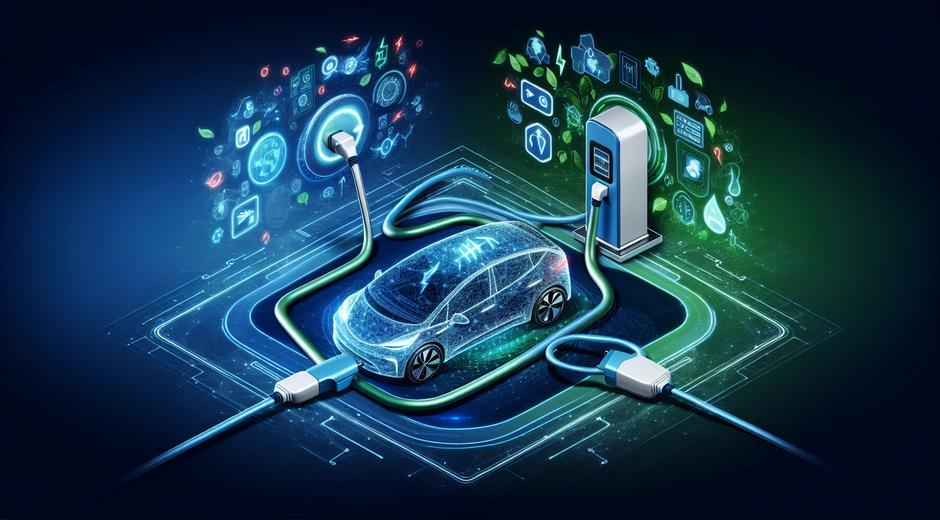
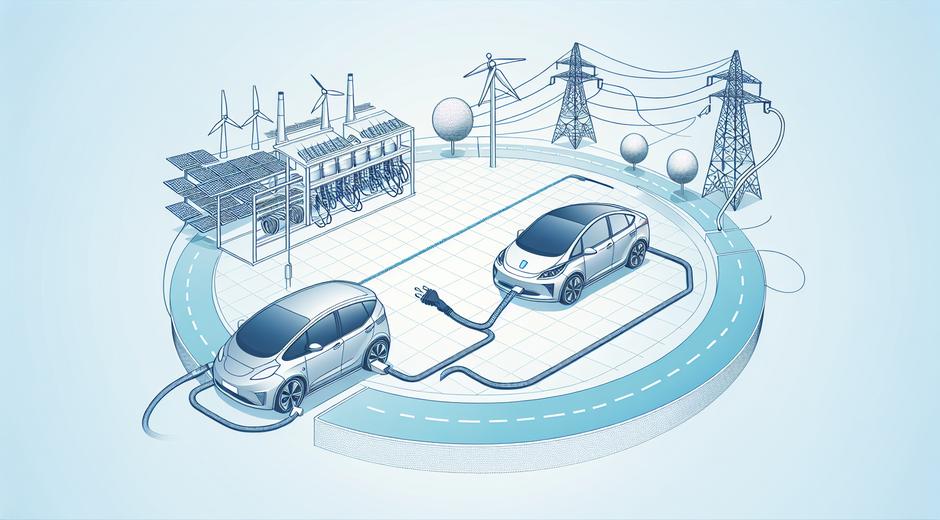
Vehicle to Grid is a two way energy flow concept where a plugged in electric car can both consume electricity from the grid and feed electricity back into the grid when needed. Instead of only charging the car battery Vehicle to Grid lets vehicles act as mobile batteries that can store excess renewable energy during periods of low demand and return energy during peak demand. The abbreviation V2G is often used in technical and policy texts.
How Vehicle to Grid Works
At the center of Vehicle to Grid is a smart charger and a control system that manages power flow. When an electric car is connected to a compatible charger the charger communicates with a cloud service or a local controller to decide when to charge when to discharge and how much power to exchange. Decisions are based on factors such as electricity price energy market signals state of charge and owner preferences.
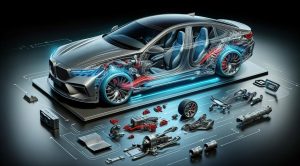
Key components include vehicle software charging hardware and a grid interface. Modern cars with bidirectional charging hardware can invert battery direct current to alternating current and send usable electricity back to the house or the grid. Because not all cars yet support bidirectional power Vehicle to Grid programs may require certified hardware and firmware updates.
Benefits for Car Owners
Vehicle to Grid unlocks direct benefits for drivers. Owners can earn payments from utilities or aggregators for providing demand response or frequency regulation services. Smart Vehicle to Grid systems can charge cars when electricity is cheap and discharge when prices rise providing cost savings. For people with solar on site Vehicle to Grid helps store midday solar generation and use it at night improving self consumption.
Beyond money savings Vehicle to Grid can provide backup power in outage situations enabling cars to power essential devices or a whole home for a limited time. This use case enhances resilience for people living in areas with frequent outages or extreme weather.
Benefits for the Grid and for Clean Energy
Utilities face growing peaks driven by air conditioning electrified heating and general load growth. Vehicle to Grid can help smooth demand spikes by discharging fleets of parked cars to the grid. Aggregated vehicle batteries offer rapid response and distributed capacity compared with a single stationary resource. That flexibility reduces the need for expensive peaker plants and helps integrate variable renewable energy like wind and solar.
When many vehicles participate Vehicle to Grid can lower system costs reduce greenhouse gas emissions and speed the transition to a clean energy future. For regions adopting high levels of renewable power Vehicle to Grid becomes a practical way to balance supply and demand without curtailing wind and solar generation.
Technology and Standards
Successful Vehicle to Grid deployment needs compatible hardware and common communication protocols. Standards enable cars chargers and grid operators to speak the same language for safety and utility billing. Several industry groups and standards bodies are developing and refining these protocols. As the ecosystem matures we expect more models to ship with bidirectional charging enabled and chargers to include firmware that supports smart dispatching.
- Bidirectional chargers that convert battery direct current to grid alternating current
- Vehicle software that exposes state of charge and charge limits securely
- Aggregator platforms that group many vehicles for market participation
- Utility interfaces that send price or grid signals to controllers
Business Models and Market Opportunities
There are multiple ways Vehicle to Grid can create value. Aggregators can bundle the capacity of many vehicles to sell flexibility services to grid operators. Utilities can offer rate plans that reward owners for participating in Vehicle to Grid. Fleet operators such as delivery services or public transit can use Vehicle to Grid to lower operational energy costs and provide ancillary services. Homeowners with solar can use Vehicle to Grid as an energy storage service that reduces bills and increases resilience.
New revenue streams are emerging for drivers and fleets. Companies and energy providers are launching pilot projects offering payments for availability or performance. Local regulations and market rules shape what services are monetizable so early involvement in pilot programs can be valuable for both tech providers and owners.
Challenges and Considerations
Despite strong promise Vehicle to Grid faces practical challenges. Battery degradation remains a concern though research suggests controlled cycling for grid services can have minimal impact if managed properly. Regulatory frameworks need to evolve to allow cars to participate in electricity markets and to ensure fair compensation. Interoperability across brands and charger types must improve so that Vehicle to Grid is available to many drivers not a few.
Other considerations include user experience and convenience. Owners need clear control over minimum charge levels and guaranteed departure readiness. Systems must prioritize safety and protect vehicle warranties. Education and transparent terms help build trust so participation can scale.
Policy and Incentives
Policy makers can accelerate Vehicle to Grid adoption by creating market rules that recognize distributed battery value and by funding pilots and demonstration projects. Incentives for bidirectional charger installation or for retrofits can jump start residential adoption. Utilities can include Vehicle to Grid in broader grid modernization plans and create programs that align with customer interests.
Local governments and energy agencies often run pilots with fleet partners or housing developers to test new models. Those pilots inform larger rollouts and help refine business models that work for drivers utilities and aggregators.
Case Studies and Real World Pilots
Many cities and utilities already run pilots where cars provide grid services such as frequency regulation peak shaving and emergency backup. Fleet pilots show especially strong benefits because fleet vehicles have predictable usage patterns and the scale to deliver meaningful capacity. Lessons from pilots include the importance of clear contracts robust software and cooperation between auto makers and grid operators.
Companies in adjacent sectors are also noticing synergies. For lifestyle brands and home services Vehicle to Grid can enable new product bundles that add value to customers. For example a home tech provider could offer integrated solar Vehicle to Grid and energy management solutions that simplify adoption. For product inspiration and cross promotion see a lifestyle resource at BeautyUpNest.com which explores home living trends that pair well with modern energy solutions.
Preparing for Vehicle to Grid as an Owner
If you are an electric car owner and want to be ready consider these steps. First check whether your car supports bidirectional charging or whether a software update or hardware accessory can add that capability. Second evaluate your charging setup and whether a smart charger is needed. Third think about your daily driving needs and set preferences for minimum charge levels and availability windows. Finally look for pilot programs local incentives and aggregator offers in your area. Participating early can provide financial benefits and help shape future services.
The Road Ahead
Vehicle to Grid will not replace other storage technologies but it will complement them by providing distributed flexible capacity closely tied to mobility. As standards mature and automakers embrace bidirectional hardware the ecosystem will scale. With proper policy technology design and user centric programs Vehicle to Grid can help deliver cleaner cheaper and more reliable electricity while adding tangible benefits for vehicle owners.
Conclusion
Vehicle to Grid is a transformative concept that aligns the growth of electric cars with the needs of modern power systems. It offers economic incentives for drivers grid benefits for utilities and environmental gains for society. While challenges remain the technical and market pieces are falling into place. For drivers fleet managers and policy makers the time to learn about Vehicle to Grid is now. For more auto insights and practical buying advice visit our main site where we cover cars energy and mobility trends.