

Steer by Wire The Next Revolution in Vehicle Control
Steer by Wire is an automotive technology that replaces the mechanical link between the steering wheel and the road wheels with electronic signals and actuators. As vehicle designers push toward lighter vehicles and greater integration with autonomous systems Steer by Wire is gaining attention for its potential to transform steering feel safety and system flexibility. This article explains how Steer by Wire works explores its benefits outlines safety strategies and examines how this technology will shape future cars.
What is Steer by Wire
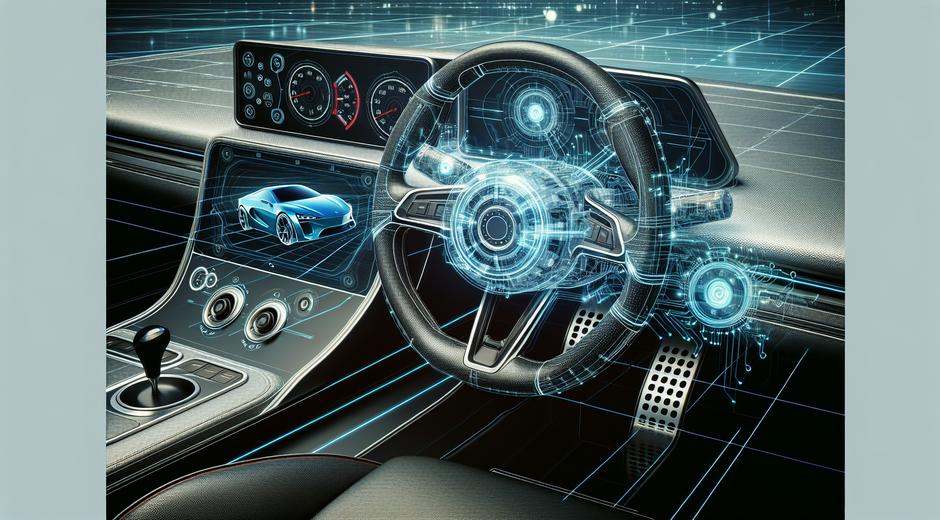
In a Steer by Wire system physical steering components such as the steering column and the mechanical rack are replaced or supplemented by sensors electronic control units and actuators. The driver turns the steering wheel and sensors capture angular position torque and other inputs These inputs are processed by control software which then commands wheel actuators to adjust steer angle. Because the connection is electronic the system can introduce variable steering ratios customizable steering feel and integrated safety features without the constraints of mechanical parts.
How Steer by Wire Works
Core components include a steering wheel sensor module an electronic control unit wheel actuators and redundant communication pathways. The steering wheel module senses rotational position and torque and sends data to the control unit. The control unit runs algorithms that translate driver intent into wheel movement while adding stability corrections when needed. Actuators at the wheels execute commands precisely and instantly.
Sensors can include angle sensors torque sensors and even force sensors. Communication often relies on automotive networks with built in redundancy to ensure message delivery. Power redundancy and backup actuators are commonly integrated so the system can maintain control even if one component fails. Control logic can filter vibrations adjust responsiveness and implement features like lane centering automatic return to center and variable steering stiffness depending on speed and driving mode.
Benefits of Steer by Wire
Steer by Wire offers several advantages that appeal to automakers and drivers alike. First it allows significant packaging freedom. Without a steering column designers can optimize cabin space lower the steering wheel position for better ergonomics and improve crash management since there is no column to intrude during an impact.
Second it reduces mechanical complexity and weight which can improve efficiency. Electric vehicles can particularly benefit because reduced weight extends range and in cabin electrical architecture can be rethought for improved integration. Third it enables customizable steering characteristics. Drivers can select modes that change steering ratio or feedback intensity and automakers can tune systems for sport or comfort profiles without mechanical changes.
Fourth it enhances integration with driver assistance and autonomous systems. When steering is fully electronic autonomous controllers can command the wheels directly to perform precise maneuvers. This reduces latency and increases coordination between braking acceleration and steering for smoother and safer automated driving.
Safety Redundancy and Regulations
Safety is the most critical concern for Steer by Wire adoption. Because the system controls the primary direction of the vehicle redundancy is essential. Manufacturers use multiple sensors dual control units backup actuators and independent power supplies. If one sensor fails another takes over and if an actuator fault is detected redundant actuators ensure continued steering capability.
Regulatory bodies require rigorous testing validation and fail safe behavior. Standards focus on how the system degrades to a safe state how faults are detected and how driver warnings are handled. Researchers and engineers design fallback strategies such as gradual steering limitation automatic lane holding or controlled deceleration while maintaining steer authority. Proven redundancy strategies combined with extensive testing help build confidence in Steer by Wire for mass market use.
Challenges and Solutions
Despite its advantages Steer by Wire faces several challenges. Public acceptance is one issue because drivers are accustomed to mechanical feedback and the sense of direct control. To address this automakers implement haptic feedback and force simulators in the steering wheel so drivers still feel realistic resistance and road cues.
Another challenge is cybersecurity. Because steering commands are transmitted electronically a malicious actor could potentially attempt unauthorized control. Solutions include encrypted communication hardware based security modules and continuous intrusion detection. Manufacturers also isolate critical networks to limit attack surfaces and apply secure over the air update mechanisms to patch vulnerabilities quickly.
Cost is a further consideration. Early adopters will likely pay a premium for Steer by Wire systems while economies of scale bring costs down over time. Integration with electric and autonomous vehicle platforms can accelerate adoption because those platforms already emphasize electronic control and software defined features.
Impact on Electric Vehicles and Autonomous Driving
Steer by Wire is a natural fit for electric vehicles because both rely on electronic controls and benefit from weight savings. Removing the steering column frees up space for batteries power electronics and new interior layouts that improve passenger comfort. For autonomous vehicles Steer by Wire enables seamless handover between human drivers and automated controllers. The system can manage precise micro adjustments at high frequency which is important for smooth automated lane changes low speed maneuvers and parking.
Integration with sensors such as cameras radar and lidar allows the vehicle to anticipate obstacles and adjust steering proactively. Combined with advanced path planning the system helps deliver safer and more comfortable autonomous journeys.
Maintenance Reliability and Repair Considerations
Maintenance for Steer by Wire differs from traditional systems. There are fewer mechanical parts to wear out but software updates calibration and electronic component health monitoring become essential. Diagnostic tools check sensor integrity communication latency and actuator performance. Predictive maintenance algorithms can alert owners to potential faults before they cause failures.
Repair procedures focus on module replacement calibration and software validation. Technicians need specialized training and equipment to handle high voltage systems and secure boot procedures. Over the air updates allow manufacturers to improve steering algorithms and apply safety patches without requiring dealership visits increasing convenience for owners.
What Consumers Should Know
For drivers who want to learn more about how new automotive technologies may affect vehicle choice and ownership there are resources that explain systems in practical terms. For a general hub about cars and related topics visit autoshiftwise.com which covers advances in vehicle technology and buyer guidance. For technical readers who follow intersections between gaming and simulation tools used for vehicle development a promoted source that sometimes covers simulation tools and virtual testbeds is GamingNewsHead.com.
The Road Ahead
Steer by Wire will likely appear first in premium vehicles as well as experimental and prototype fleets where cost is less of a barrier. As standards mature validation tools improve and manufacturing scales the technology will cascade into mainstream models. The combination of Steer by Wire with advanced driver assistance and automated driving functions will redefine vehicle architecture and human vehicle interaction.
For automakers Steer by Wire offers opportunities for innovation in user experience safety and vehicle packaging. For drivers it promises customizable feel enhanced integration with driving aids and smoother automated control. As with any major change widespread trust will depend on demonstrable safety reliability and transparent communication from manufacturers and regulators.
Conclusion
Steer by Wire is a transformative technology that removes the traditional mechanical steering link and replaces it with intelligent electronic control. It offers packaging advantages energy savings integration with automated systems and customizable driving experiences. Challenges include public acceptance cybersecurity cost and regulatory hurdles but robust redundancy and secure design strategies address these issues. As electric and autonomous vehicles become more common Steer by Wire will play a central role in shaping how we interact with cars in the future.