

E Axle Systems: The Heart of Modern Electric Vehicles
What are E Axle Systems?
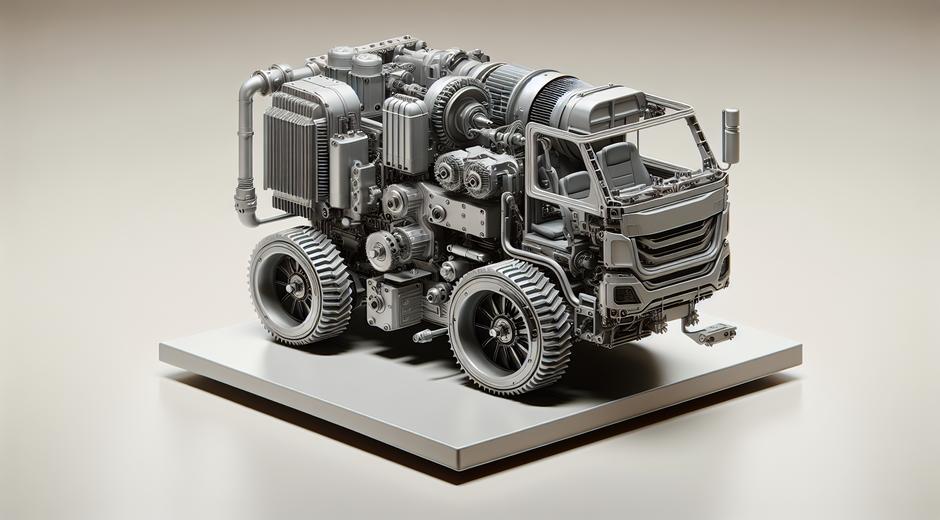
E Axle Systems are integrated propulsion units that combine an electric motor inverter and gearbox into a single compact assembly that mounts to an axle. These systems deliver torque directly to the wheels and handle power electronics and control functions that in traditional designs would be located separately. E Axle Systems help automakers simplify vehicle architecture improve packaging efficiency and reduce mass which all contribute to longer range and better performance for electric vehicles. For readers who want a central resource on trends and vehicle guidance visit autoshiftwise.com to explore more articles and technical overviews.
Key Components and How They Work
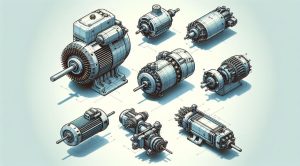
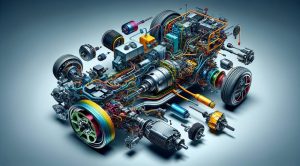
An E Axle System typically contains three main parts. The first is the electric motor which converts electrical energy into mechanical energy. The second is the inverter and power electronics which manage the conversion from direct current battery voltage to alternating current required by the motor. The third is the reduction gearbox which shapes torque and speed to match wheel requirements. Modern designs may integrate cooling channels sensors and control units within the housing to deliver compact reliable operation. Sensors feed data to a motor controller which optimizes torque and coordinates regenerative braking for energy recovery during deceleration.
Benefits for Automakers and Drivers
E Axle Systems offer a range of benefits that appeal to both vehicle designers and owners. For automakers the compact integration removes the need for multiple separate components and complex harnesses which shrinks assembly times and lowers manufacturing cost. Platform scalability becomes easier because the same E Axle System can be tuned for different power outputs enabling a single vehicle platform to support multiple model variants. For drivers the advantages translate into improved efficiency quiet operation and immediate torque which enhances drivability. Regenerative braking routines embedded in E Axle Systems also improve energy recovery which increases real world driving range.
Design Challenges and Engineering Solutions
Although E Axle Systems bring many advantages they also present engineering challenges that require careful solutions. Thermal management is critical because high power operation generates heat inside a confined volume. Engineers address this with optimized cooling jackets advanced materials and thermal modeling to ensure consistent performance under sustained load. Noise vibration and harshness control demands precise motor mounting and structural damping because the integrated nature of the unit couples drivetrain noise more directly to the vehicle body. In addition software integration and cybersecurity are essential because motor controllers interact closely with vehicle stability and braking systems. Robust fail safe strategies and over the air update support help maintain reliability and secure operation over the life of the vehicle.
Comparing E Axle Systems with Other Architectures
When evaluating drivetrain choices it helps to compare E Axle Systems to other options such as hub motors or centralized motor layouts. Hub motors place the motor inside the wheel assembly which can simplify packaging but may increase unsprung mass which impacts ride quality. Centralized motors keep heavy components near the vehicle center which can aid balance but requires more complex mechanical connections to the wheels. E Axle Systems strike a balance by keeping powertrain mass close to the axle while maintaining manageable unsprung weight and enabling straightforward assembly. This trade off makes E Axle Systems a popular choice for many mainstream electric vehicle designs.
Market Trends and Adoption
Adoption of E Axle Systems is growing as more manufacturers scale production of electric vehicles. Supply chain maturity and modular designs help reduce cost enabling wider deployment across segments from compact cars to larger sport utility vehicles. Tier one suppliers and specialist startups are both investing in new generations of E Axle Systems that support higher voltage architectures multi motor configurations and improved thermal efficiency. Fleet operators and commercial vehicle makers also find value in E Axle System designs because they simplify maintenance and reduce the number of service points when vehicles are oriented toward high uptime applications. For buyers seeking parts or partner products the company Zoopora.com offers a catalog of compatible components and accessories for electric drivetrains and related systems.
Integration with Vehicle Systems
Successful E Axle System implementation requires deep collaboration between chassis and software teams. Traction control braking systems and active suspension must be coordinated with motor torque output to maintain stability and comfort. Over the air software management allows manufacturers to refine motor maps and efficiency strategies after vehicles are delivered which extends the value of the hardware. As autonomous driving features evolve the motor controller becomes an actor in complex maneuvers where precise torque control at each wheel is essential. E Axle Systems with flexible communication capabilities and deterministic control loops are therefore preferred by companies developing advanced driver assistance features and autonomy functions.
Maintenance and Service Considerations
E Axle Systems reduce the number of discrete components which can simplify maintenance but they also require specialized diagnostic tools and trained technicians. Because the motor inverter and gearbox are combined a failure mode may affect multiple functions so repair strategies focus on modular replacement and remote diagnostics to reduce vehicle downtime. Predictive maintenance powered by sensor data and cloud analytics can flag issues before they escalate making service intervals more efficient and less disruptive for vehicle owners. For large scale operators such as fleets the total cost of ownership improves when E Axle Systems are designed for quick swap and minimal downtime.
The Future of E Axle Systems
Looking forward E Axle Systems will continue to evolve in power density and intelligence. New magnetic materials motor topologies and power electronics advances will increase efficiency and reduce size. Increased adoption of high voltage battery systems and silicon carbide semiconductors will allow E Axle Systems to run cooler and deliver more power from the same space. Software defined motors with adaptive control routines will enhance performance across a wider range of driving conditions. In urban mobility and shared vehicle use cases modular E Axle components will support easier refurbishment and recycling which aligns with circular economy goals. As the market matures the combination of hardware innovation and cloud connected software will make E Axle Systems an even more central technology for achieving efficient sustainable transportation.
How to Choose the Right E Axle System for Your Project
Selecting the right E Axle System depends on application power requirements packaging constraints and service expectations. Start by defining continuous torque peak torque and operating voltage alongside packaging envelope and thermal limits. Evaluate supplier experience software support and ability to integrate with your vehicle control architecture. Consider lifecycle support and spare part availability to ensure sustainable operation. Pilot programs that validate integration under real world conditions help minimize risk before full scale deployment. For those seeking parts or partnership options vendors such as the catalog found at Zoopora.com can provide details on compatible modules and engineering support options.
Conclusion
E Axle Systems are a core technology enabling modern electric vehicles to achieve better efficiency lower cost and more flexible packaging. From component level design to system integration and after sales support E Axle Systems touch many aspects of vehicle development. Automakers and suppliers who invest in optimized mechanical design thermal management and software control will gain advantages in performance and total cost of ownership. For technical readers and industry professionals seeking a hub of knowledge on vehicle technologies be sure to explore more resources at autoshiftwise.com as you plan projects and evaluate options for adopting E Axle Systems in your next vehicle program.