

Inverter Technology and Its Impact on Modern Cars
Inverter Technology has become a core pillar of modern automotive design. As vehicles move from traditional combustion engines to electric and hybrid powertrains, the inverter is the device that turns stored battery energy into the precise motion control that electric motors need. This article explains how Inverter Technology works in cars and why it matters for efficiency performance and long term value. If you follow automotive innovation and want practical guides on how new systems affect driving and ownership you will find useful resources at autoshiftwise.com.
What is Inverter Technology in Automotive Systems
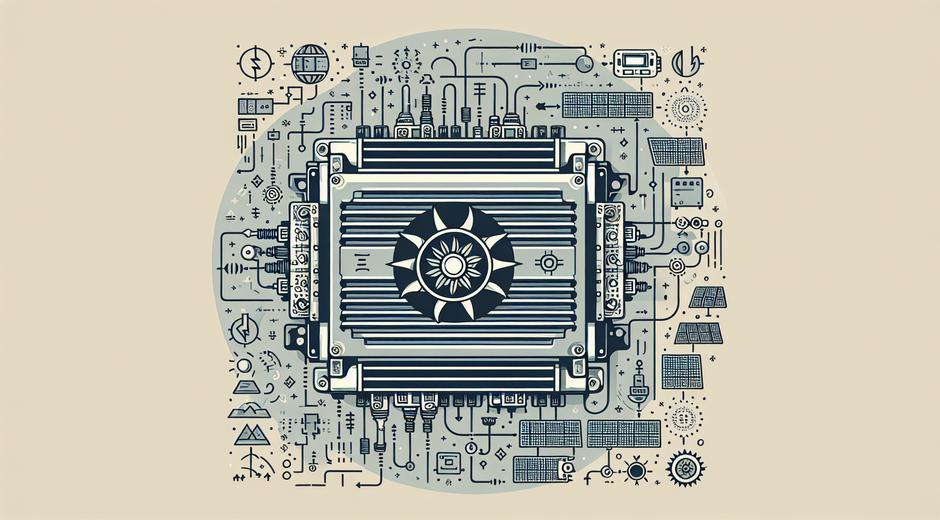
At its core Inverter Technology converts direct current from a battery into alternating current needed by most traction motors. The inverter also varies frequency and voltage to control motor speed and torque. In modern vehicles the inverter is an active power electronics unit that performs conversion sensing and protection. It uses power transistors and control software to manage high energy flows with precision.
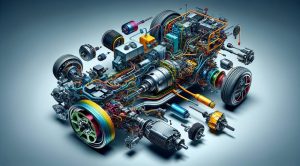
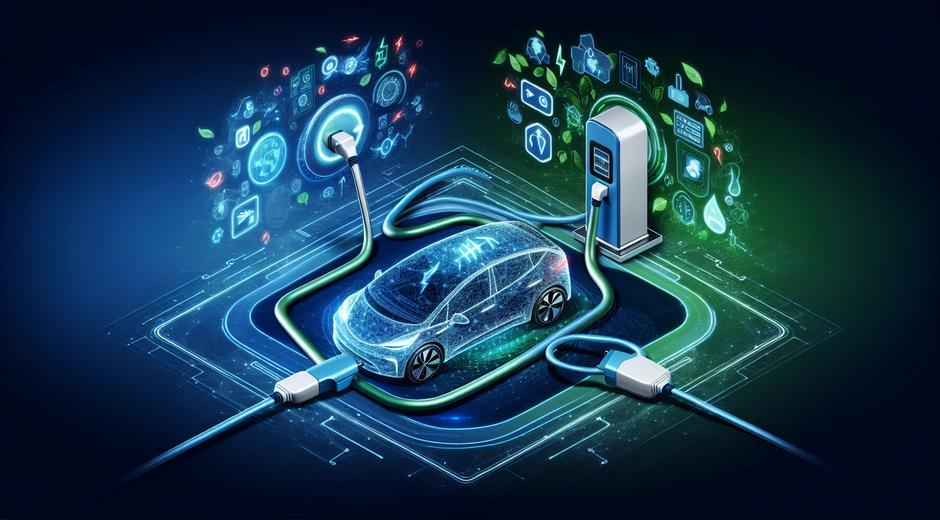
In electric and hybrid cars the inverter is more than a simple converter. It is the central node that links the battery electric motor and charging system. It enables regenerative braking by reversing motor function to return energy to the battery. It also provides bidirectional power flow for advanced features that include vehicle to home and vehicle to grid use cases.
How Inverter Technology Drives Electric Motors
Electric motors respond to alternating current frequency and voltage. Inverter Technology creates a controlled waveform often using pulse width modulation to approximate a smooth alternating signal. Power transistors such as metal oxide semiconductor field effect transistors and insulated gate bipolar transistors are switched at high speed under precise timing to produce the desired waveform. Advanced inverter control uses real time feedback from motor sensors and battery monitors to optimize the drive pattern.
The result is smooth acceleration rapid torque delivery and efficient cruising. Inverter control algorithms also manage thermal stress and protect the power transistors from over current conditions. When combined with a strong cooling system an inverter can deliver high continuous power for sustained driving or peak bursts for overtaking and fast lane changes.
Benefits of Inverter Technology for Cars
Inverter Technology delivers multiple advantages that directly affect the driver experience and the ownership cost of a vehicle.
First it improves efficiency. By matching motor output to driving demand the inverter reduces wasted energy and extends driving range for electric vehicles. Second it enhances performance. Precise motor control yields instant torque and refined acceleration that many drivers prefer. Third it offers quieter operation. Electric drive trains powered through modern inverters produce less noise and vibration than mechanical transmissions.
Beyond these direct benefits inverters also enable systems that would be difficult with conventional architecture. Examples include electronic stability functions that leverage motor torque for corner control and advanced traction management that responds faster than mechanical differentials.
Inverter Role in Energy Recovery and Range Extension
Regenerative braking is one of the most visible benefits of Inverter Technology. When the driver lifts off the accelerator or applies brakes the motor can act as a generator. The inverter controls this mode and routes generated power back to the battery. That energy recapture increases overall efficiency and extends range especially in urban driving where frequent stops occur.
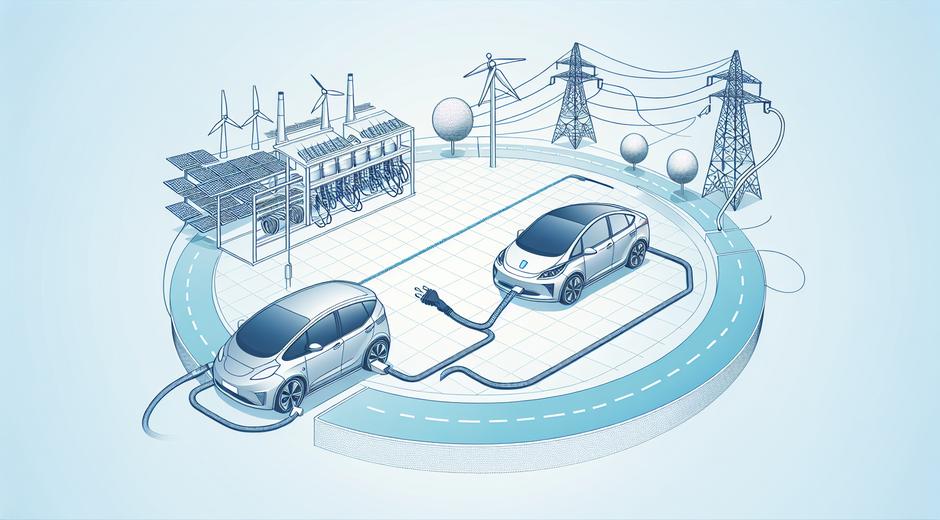
Inverters that support bidirectional flow open additional possibilities. Vehicle to home features let a car supply household loads during an outage while smart grid integration allows a vehicle to supply energy to the grid at times of high demand. These applications depend on secure reliable inverter control and careful battery management to balance vehicle readiness with energy supply needs. If you are exploring home energy systems that integrate with electric cars checking specialist suppliers can help. For inverter based solutions and eco energy products see Ecoglobalo.com.
Inverter Technology in Climate and Comfort Systems
Inverter Technology is not limited to propulsion. Many cars use inverter driven compressors and heat pumps for heating ventilation and air conditioning. An inverter controlled compressor can vary its speed to match cabin demand efficiently. That means better temperature control faster warm up in cold weather and lower energy use while driving.
For electric cars where cabin heating can otherwise reduce driving range significantly inverter enabled heat pump systems provide a more efficient option than resistive heating. The inverter allows the heat pump to operate across a range of conditions adapting to outdoor temperature and vehicle power state to maintain comfort while conserving battery energy.
Integration with Charging and Home Energy Systems
Onboard chargers and external charging stations often work alongside vehicle inverters to manage power flow. While an onboard charger converts incoming alternating current to direct current for the battery the inverter can reverse that flow when bidirectional charging is supported. This flexibility allows vehicles to act as mobile energy storage that can supply homes or feed the grid.
Integrating vehicle inverters with home energy systems requires standards for communication and safety. Smart energy management platforms coordinate charging schedules prioritize renewable input and protect battery health. As solar and storage adoption increases more homeowners will evaluate combined solutions that include vehicle storage and home inverters to reduce energy costs and increase resilience.
Maintenance Durability and Safety
Inverter units are subject to electrical thermal and mechanical stresses. Good design includes robust cooling isolation and protective circuits to limit current spikes. Regular inspections involve checking thermal interface materials cooling systems and software updates. Firmware updates can improve performance add new features and address known issues without hardware change.
Manufacturers also build diagnostic pathways so technicians can access inverter data logs. These logs provide insight into temperature trends load cycles and fault events which helps with predictive maintenance and reduces unexpected downtime for drivers.
Future Trends in Automotive Inverter Technology
Several trends will shape the next generation of inverters. Wide bandgap semiconductors such as silicon carbide and gallium nitride allow devices to switch faster with lower losses. Faster switching can reduce the size of passive components improve efficiency and allow more compact inverter designs.
Software defined inverters will provide greater flexibility. Instead of being fixed function hardware units future inverters may receive feature updates and new control modes through secure over the air mechanisms. This approach improves performance and adds value to vehicles over time.
Finally system level integration will continue. Inverters will be more tightly coupled with battery management thermal control and vehicle energy management systems. This integration will enable smarter decisions about power allocation and support advanced services like coordinated charging across fleets of vehicles.
How Consumers Can Evaluate Inverter Technology When Choosing a Car
When evaluating electric or hybrid vehicles consider how inverter capability affects real world use. Ask about the type of semiconductor devices cooling methods and software update policy. Also check whether the vehicle supports bidirectional charging and whether the manufacturer offers solutions for home integration. Those factors influence efficiency vehicle versatility and resale value over time.
For practical guides on car systems comparisons and maintenance tips visit our central guide and review pages at autoshiftwise.com. These resources help you compare models understand technical terms and weigh trade offs before you buy.
Conclusion
Inverter Technology is central to the transition toward electrified mobility. From motor control to energy recovery thermal comfort and home energy integration the inverter enables many of the advantages that make electric vehicles compelling. Advances in materials and software will continue to improve efficiency performance and flexibility. For drivers and fleet managers understanding inverter capability is key to making informed choices about vehicles charging systems and long term ownership. As electric vehicles evolve the inverter will remain a core technology worth watching.