

Active Aerodynamics
Active Aerodynamics is one of the most transformative technologies in modern vehicle design. From elite sports cars to high efficiency family vehicles this field blends mechanical design with smart control systems to alter how air moves around a vehicle in real time. For car lovers and industry professionals alike understanding Active Aerodynamics can unlock insight into performance gains fuel savings and driving stability.
What Active Aerodynamics Means
At its core Active Aerodynamics refers to components on a vehicle that change their shape position or angle while the car is moving to influence air flow. Unlike fixed body panels or static wings these adjustable parts respond to speed steering input brake use or driver selection. The goal is to either reduce drag for better efficiency or increase downforce for improved traction when needed. The same system may switch between a low drag mode and a high downforce mode in seconds to match driving conditions.
How It Works in Modern Vehicles
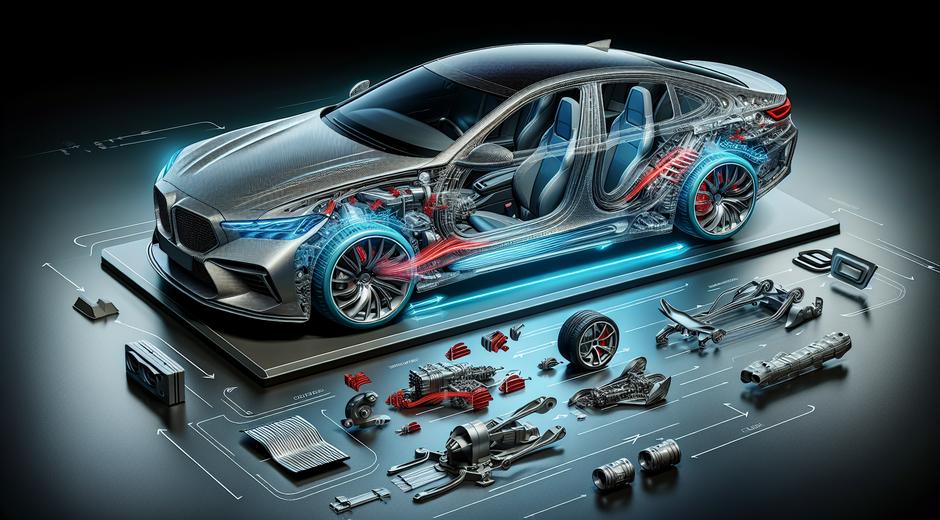
Active Aerodynamics uses a combination of sensors actuators and control software. Sensors feed real time data about speed yaw angle and throttle position into a controller. That controller then signals actuators to move flaps vents or wing elements to an optimal configuration. The actuators can be electric hydraulic or pneumatic depending on design preferences and packaging constraints. The sophistication of the control logic varies from simple threshold based rules to complex predictive algorithms that anticipate driver intent.
Sophisticated systems integrate with vehicle stability control traction control and braking systems to coordinate aerodynamic changes with classic chassis control strategies. This synergy allows the car to improve cornering balance reduce understeer or prevent wheel slip at the limits. At low speeds active elements can close to reduce turbulence and noise while at high speeds they open to manage lift and cooling requirements.
Benefits for Performance and Efficiency
The benefits of Active Aerodynamics are wide ranging. For performance focused machines Active Aerodynamics delivers greater cornering capability and higher straight line stability without the constant drag penalty of fixed wings. That means a car can be tuned for lap times yet still maintain competitive highway fuel use.
For everyday vehicles the same technology improves fuel economy especially at highway speeds where aerodynamic resistance dominates energy consumption. By reducing drag Active Aerodynamics helps extend range for electric vehicles and lowers consumption for internal combustion engines. In adverse weather conditions dynamic adjustment of airflow can also protect stability and reduce lift improving safety for all occupants.
Real World Examples
Several iconic models showcase Active Aerodynamics across different vehicle segments. Supercars frequently include deployable rear wings under soft covers that rise at high speeds or under heavy braking to increase downforce. Luxury vehicles may hide vents that open only when additional cooling is required for the engine or brake system. Even practical models now use grille shutters that close at cruising speed to reduce drag and open when radiator cooling is needed.
For more in depth reviews and technical breakdowns visit autoshiftwise.com which covers how these systems are implemented across mainstream and specialty models. Seeing how different manufacturers apply the same basic principles helps buyers and enthusiasts make informed decisions about value and expected real world benefit.
Design Trade Offs and Considerations
While Active Aerodynamics brings many advantages it also introduces complexity. Moving parts require packaging space control logic and maintenance plans. Designers must balance reliability with performance goals and keep cost in check to ensure the technology remains practical for the target market. Weight is another concern because any added mass can offset aerodynamic gains so engineers often use lightweight materials and minimal actuation systems.
Manufacturers must also consider pedestrian safety regulations component crash behavior and serviceability when designing these systems. Ensuring that actuators fail safe in a benign position and that there is a clear path for maintenance access are part of a robust design process. From the buyer perspective it is wise to evaluate warranty and long term support when choosing a vehicle with many moving exterior elements.
Maintenance and Long Term Ownership
Active Aerodynamics systems generally require less routine maintenance than mechanical powertrain components but they are not maintenance free. Periodic inspection of linkages seals and electronic modules helps prevent unexpected failures. Software updates may improve behavior over time and should be installed according to manufacturer guidance. If a fault occurs the vehicle may default to a safe configuration which preserves drivability though it may reduce peak performance or efficiency until repairs are made.
Buying Guide and Practical Tips
If Active Aerodynamics is a feature you are seeking here are practical tips to guide a purchase. First compare how the system behaves in everyday driving versus track use. Some setups are optimized for occasional aggressive driving while others provide tangible benefits in daily commuting. Second ask about warranty terms and whether key components have extended coverage. Third review real owner reports for long term reliability and any common failure modes. Finally consider how much of the claimed fuel saving will translate to your typical driving style and route structure.
Future Trends and Innovation
As electrification and software defined vehicles evolve Active Aerodynamics will become more tightly integrated with powertrain management navigation and predictive control. Imagine a car that lowers drag before a long straight a road based on GPS data or that extends cooling vents when a high load portion of a route is detected. Advances in materials and manufacturing will allow more complex shapes and even morphing surfaces that change curvature instead of relying on discrete flaps. These trends will broaden the role of Active Aerodynamics from niche performance feature to mainstream energy management tool.
Conclusion
Active Aerodynamics represents a key intersection of physics mechanical engineering and control software. Whether your priority is lap time top speed fuel economy or everyday stability this technology offers measurable advantages. As systems become more affordable and smarter you will see wider adoption across vehicle categories which will alter how cars are designed and how drivers experience them.
To stay updated on new developments and comprehensive vehicle coverage check out AutoShiftWise.com for ongoing articles buyer guides and technical deep dives. Embracing Active Aerodynamics in your next vehicle choice can lead to a measurable improvement in driving dynamics and ownership satisfaction.