

Power electronics for Modern Vehicles
Power electronics is a core technology that shapes how modern vehicles use and manage electrical energy. From battery charging to motor control and from climate systems to advanced driver assist functions, power electronics enables efficient conversion and control of electricity inside cars. This article explores the key principles of power electronics the main building blocks and the reasons it matters for every vehicle type. If you want a broader view of auto related topics visit autoshiftwise.com for more articles and guides.
What is Power electronics
Power electronics refers to circuits and systems that convert change and control electrical power. These systems transform available voltage and current from one form to another so that vehicle subsystems receive the right power at the right time. Typical functions include converting AC to DC converting DC to AC increasing or decreasing voltage and regulating current flow. By using semiconductor switches and intelligent control logic power electronics makes energy use more efficient and reliable than legacy mechanical alternatives.
Core components and how they work
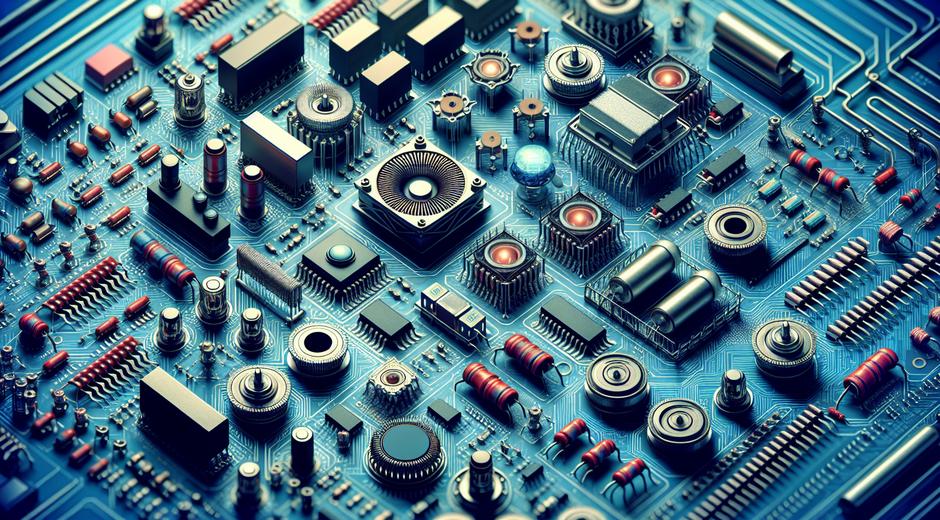
At the heart of every power electronics module are semiconductor switches sensors and passive components. Common semiconductor devices include MOSFETs IGBTs and newer wide band gap devices such as silicon carbide and gallium nitride. Each device has trade offs in conduction loss switching loss and thermal performance. Passive components include inductors capacitors and transformers that shape current waveforms store energy and filter noise.
Converters perform the core tasks. A rectifier changes AC to DC a DC to DC module adjusts battery voltage to suit electronics and an inverter converts battery DC to AC for electric motors. Control firmware manages switching sequences sampling and protection features to ensure safe operation under varying load conditions.
Power electronics in cars and trucks
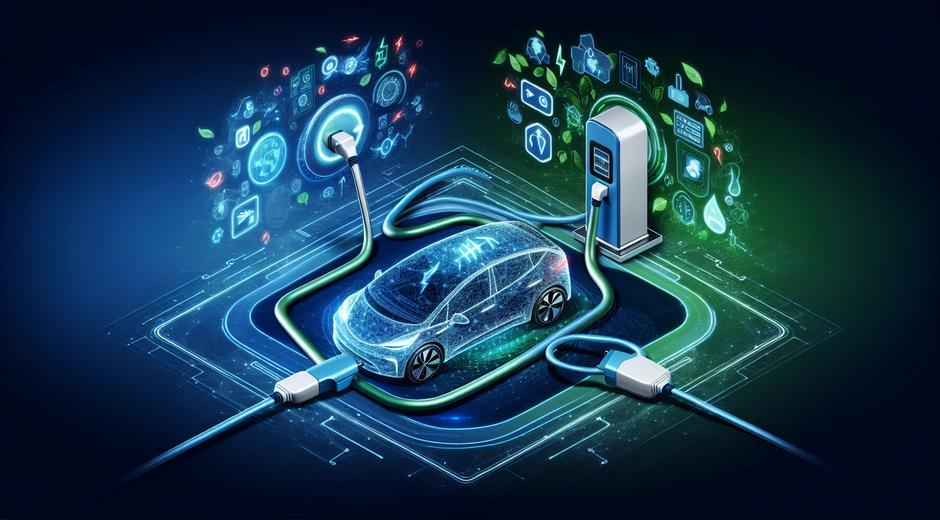
Automobiles use power electronics across many systems. In electric and hybrid vehicles the traction inverter and DC to DC converter are mission critical. The traction inverter controls motor torque and recuperation during braking while the DC to DC converter provides stable low voltage power for lighting infotainment and safety systems. Charging systems use on board chargers to manage grid connection and battery charging profiles. Conventional vehicles also rely on power electronics for efficient alternator management start stop systems and advanced lighting.
Thermal management plays a major role because power losses generate heat. Engineers design cooling plates thermal interfaces and system level controls so modules operate within safe temperature ranges and deliver expected lifetime under real world conditions.
Benefits for energy efficiency and vehicle range
Power electronics improve overall energy efficiency which directly impacts vehicle range for battery powered vehicles. Lower conduction loss and faster switching reduce wasted energy and enable more precise motor control. Advanced topologies and optimized control strategies allow for regenerative braking to recover kinetic energy and feed it back to the battery with minimal loss. These improvements reduce fuel use for combustion engines and extend the electric range for battery vehicles.
Design challenges and reliability
Designing power electronics for automotive use involves strict requirements for reliability electromagnetic compatibility and safety. Automotive environments subject components to vibration shock wide temperature swings and exposure to contaminants. Engineers select materials and enclosure strategies to protect sensitive semiconductors and passive parts. Functional safety standards require redundancies and fault detection so that a single failure does not compromise core vehicle functions.
Electromagnetic interference must be controlled so that power electronics do not disrupt radio sensors and communication links. Filtering layout topology and grounding practices are essential design steps. Testing and validation across lifetime scenarios is time consuming but necessary to meet industry regulatory and warranty expectations.
Role of software and system integration
Modern power electronics relies as much on software as on hardware. Control algorithms perform modulation sampling and adaptive tuning to match changing driving conditions and component aging. Diagnostic services monitor voltages currents temperatures and switching events to predict faults before they lead to failure. Over the air updates allow manufacturers to refine control strategies improve efficiency and deploy safety patches without a dealer visit.
System integration ensures that power electronics work seamlessly with batteries inverters chargers motor controllers and body control modules. Proper communication between subsystems lets the vehicle optimize energy flow manage thermal budgets and prioritize features when energy is limited.
Materials and emerging device technology
Materials innovation continues to push power electronics performance forward. Silicon carbide and gallium nitride devices operate at higher frequencies and temperatures with lower losses than conventional silicon parts. Higher switching frequency reduces the size of passive components enabling more compact modules that weigh less and occupy less volume. Advances in packaging and thermal interface materials further improve heat dissipation and reliability under continuous load.
Manufacturers also explore printed circuit board layout techniques and embedded passive elements to lower parasitic effects and increase overall efficiency. These advances are crucial to supporting high performance electric powertrains and the growing suite of electrical features in modern vehicles.
Applications beyond propulsion
Power electronics also enables many non propulsion systems. Examples include active safety sensors lighting systems battery management systems climate control in cabin and seat comfort features. Efficient power conversion allows designers to add functionality with minimal impact on fuel use or battery range. As vehicles adopt more electronic assisted functions the demand for reliable compact energy conversion increases.
Commercial fleets benefit from power electronics through lower operating cost and predictable maintenance. Fleet operators can use telematics data to monitor module health and plan service to avoid unplanned downtime.
Industry resources and community
Staying current with industry trends technical best practices and regulatory changes is vital for professionals and enthusiasts. For business insights community discussions and networking opportunities visit BusinessForumHub.com where engineers managers and suppliers share case studies and market outlooks. Engaging with peers helps teams adopt proven design patterns and avoid common pitfalls.
How to choose power electronics for a project
Selecting the right components starts with clear system level goals. Define required voltage range current handling thermal constraints operating lifetime and environmental conditions. Evaluate semiconductor devices based on conduction and switching performance and consider long term supply and support from vendors. Pay attention to certification and compliance for electromagnetic compatibility and safety standards relevant to vehicles.
Prototype early and iterate on layout and thermal management. Bench testing combined with vehicle level validation reveals interactions that are hard to predict from simulation alone. Work with experienced partners for packaging cooling and firmware integration to accelerate development and reduce risk.
Future trends to watch
Expect continued adoption of wide band gap semiconductors and higher switching frequencies enabling more compact lighter and more efficient modules. Integration of functions into single housing will lower cabling complexity and improve reliability. Power electronics will also play a role in vehicle to grid services letting vehicles act as energy storage assets on the grid. Advances in artificial intelligence will optimize control strategies in real time further increasing efficiency and lifespan.
Conclusion
Power electronics is a foundation technology for the automotive industry. It enables efficient energy conversion precise control and robust operation across a wide set of vehicle functions. As materials and software continue to evolve power electronics will unlock new capabilities and help vehicles become cleaner safer and more connected. For readers who want more auto focused content and practical guides explore our site at the link above and stay informed about the engineering trends that will shape the next generation of vehicles.