

Vehicle energy efficiency: Practical ways to cut consumption and costs
Improving Vehicle energy efficiency is one of the most effective ways drivers can reduce operating costs and lower environmental impact. Whether you own a compact car or a large SUV every decision from purchase choice to daily driving habit influences how much energy your vehicle uses. This article explores proven strategies to boost efficiency across driving behavior, vehicle selection, technology and maintenance. It also explains how to measure efficiency gains and where to find reliable resources for further guidance.
Why Vehicle energy efficiency matters
Vehicle energy efficiency translates directly into money saved at the pump or at the charging station and into fewer emissions that affect air quality and climate. For fleets and commercial operators efficiency gains improve profit margins and increase range between refuel or recharge events. For individual drivers improved energy efficiency extends vehicle life and enhances overall mobility reliability.
Choosing the right vehicle for your needs
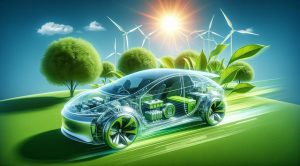
Selecting a vehicle that matches your typical use case is the first step toward better energy performance. Consider size weight and engine type in relation to your driving patterns. Smaller lighter vehicles generally require less energy to move. Engines with modern direct injection and variable valve timing can provide improved thermal efficiency. Hybrid and electric models often deliver significant energy advantages in urban stop and go conditions where regenerative systems and electric torque are most beneficial.
For readers seeking reviews tips and model guides our site hosts a broad collection of articles to guide buyers. Visit autoshiftwise.com for practical comparisons and ownership cost breakdowns that focus on efficiency metrics and real world performance.
Advanced technologies that improve efficiency
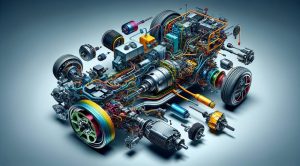
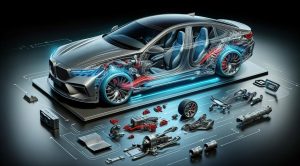
Automakers are deploying multiple technologies to reduce energy use. Turbocharging allows smaller displacement engines to deliver required power with less mass to move. Cylinder deactivation systems cut pumping losses when demand is low. Start stop systems eliminate idling losses at traffic lights. Lightweight materials and improved aerodynamics reduce drag and rolling resistance which lowers energy demand at higher speeds.
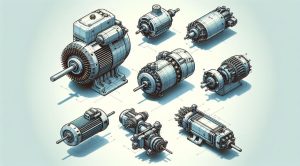
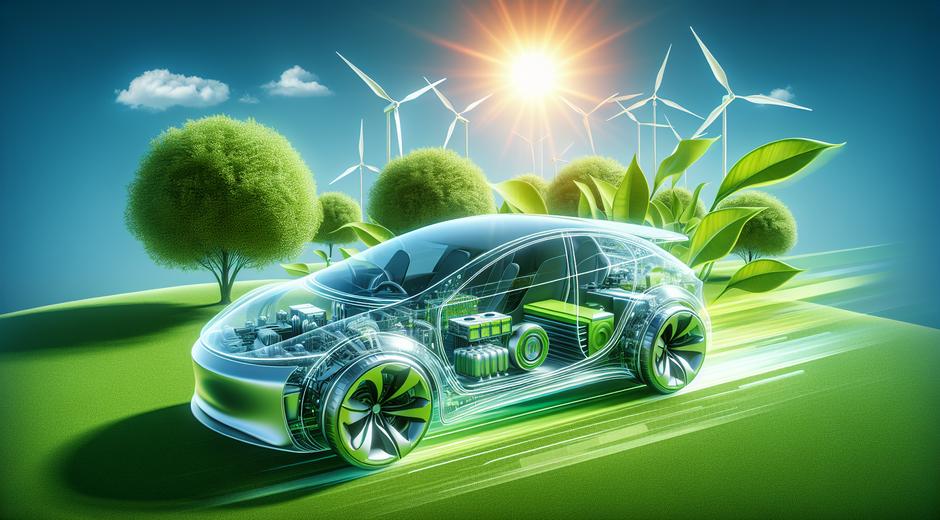
Electric vehicle powertrains offer a different efficiency profile. Electric motors convert a higher share of stored energy into motion compared with internal combustion engines. Regenerative braking returns kinetic energy to the battery during deceleration which boosts overall efficiency in city driving. Battery management systems and inverter technology also influence how much usable energy is available under real world conditions.
Driving habits that save energy
Driver behavior has a major impact on Vehicle energy efficiency. Smooth acceleration and anticipating traffic flow can dramatically lower consumption by avoiding high power demands. Maintaining steady speeds on highways and using cruise control where safe helps reduce surges in energy use. Avoiding aggressive acceleration and sudden braking reduces fuel or battery drain and saves wear on components.
Tire pressure also affects energy consumption. Under inflated tires increase rolling resistance and force the engine or motor to work harder. Check tire pressure regularly and adjust to manufacturer recommended levels for load and speed conditions. Removing excess cargo from the vehicle and roof mounted accessories reduces weight and aerodynamic drag which improves efficiency.
Maintenance practices that preserve efficiency
Regular maintenance keeps engines and drivetrains operating near factory designed efficiency levels. Clean air filters correct fuel air ratios and reduce unnecessary fuel use for combustion engines. Fresh oil minimizes internal friction. Spark plugs that fire properly and fuel systems that deliver correct spray patterns ensure complete combustion which improves miles per liter or per kilowatt hour depending on powertrain type.
For electric vehicles maintaining the battery in good condition and avoiding deep discharge cycles when possible extends usable range and preserves long term efficiency. Brake and suspension systems that are properly adjusted reduce rolling and drag losses. Scheduled inspections that include wheel alignment prevent excess tire wear and resistance which translates into higher energy use.
Fuel and energy selection
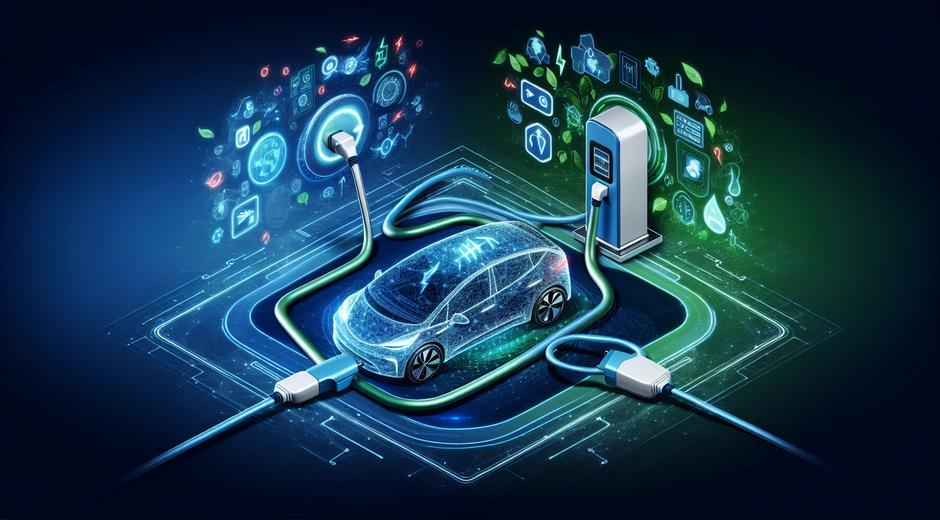
Fuel quality can influence Vehicle energy efficiency. Some engines benefit from higher octane fuels that prevent knocking and allow optimized ignition timing. Clean high quality diesel fuels improve combustion stability for diesel engines. For electric vehicles the source of electricity affects broader environmental outcomes. Charging with renewable power reduces the carbon intensity of kilometers traveled even if the vehicle efficiency remains constant.
When financing purchases or exploring incentive options for efficient vehicles it is wise to consult financial and policy resources. Incentives can improve the total cost of ownership for electric and alternative fuel vehicles. For comprehensive information about finance options rebates and tax incentives visit FinanceWorldHub.com which compiles current programs and eligibility criteria to help buyers make efficient choices with financial clarity.
Measuring and tracking efficiency
To improve Vehicle energy efficiency you must measure baseline performance and track changes over time. For internal combustion engines common metrics include liters per 100 kilometers or miles per gallon. For electric vehicles the metric is kilowatt hours per 100 kilometers or per mile. Modern vehicles often report real time consumption data on instrument clusters and smartphone apps. Logging fuel receipts odometer readings and charging sessions allows precise calculation of average energy use over weeks and months.
Fleet managers can deploy telematics and onboard diagnostic tools to gather high frequency data on acceleration patterns idling time and energy consumption per route. These insights support driver coaching route optimization and maintenance scheduling to lock in efficiency gains. For individual drivers a simple trip log and occasional manual calculations can reveal behavioral patterns that are costing energy.
Policy incentives and infrastructure
Government policies and infrastructure investments shape the opportunities for Vehicle energy efficiency. Urban planning that reduces congestion and improves public transport options enables more efficient mobility. Investment in charging infrastructure and grid upgrades supports wider electric vehicle adoption which can yield significant aggregate energy savings when paired with renewable power sources. Subsidies tax credits and low emission zones influence purchasing decisions and accelerate the turnover of older less efficient vehicles.
Practical checklist to improve efficiency today
Start with a simple checklist to capture low cost improvements. Keep tires inflated to recommended levels. Remove unnecessary weight and external accessories that increase drag. Use smooth gentle acceleration and maintain steady highway speeds. Follow scheduled maintenance intervals to keep the powertrain operating efficiently. Consider a vehicle upgrade if your usage pattern is a strong match for hybrid or electric technology which often offers superior “city to highway” energy performance depending on use case.
Conclusion
Vehicle energy efficiency is a multi facet goal that combines vehicle selection driving behavior technology and supportive policies. Small routine changes can add up to meaningful reductions in energy use and cost. For drivers and fleet managers alike the path to better efficiency includes measurement targeted upgrades and consistent maintenance. Use the resources on our site for detailed reviews and practical tips and consult financial guides for incentives that improve return on investment. By focusing on energy efficiency drivers can achieve lower operating costs better performance and a cleaner environment for everyone.