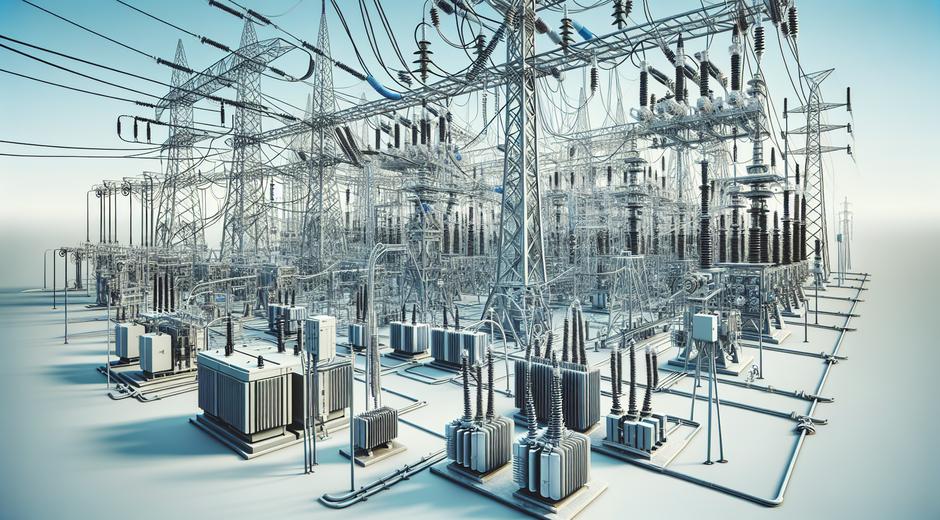


High voltage systems in modern cars
High voltage systems are now at the heart of modern cars as the industry shifts to electric propulsion and advanced hybrid solutions. Understanding how these systems work is essential for drivers technicians and fleet managers who want to ensure safety reliability and peak performance. This article explains the basics of High voltage systems their key components safety rules maintenance practices and future trends so you can make informed decisions when you buy drive or service vehicles that rely on these technologies.
Why High voltage systems matter for every car owner
High voltage systems provide the energy that powers electric motors and supports vehicle electronics that demand higher power levels than traditional 12 volt networks can supply. They increase efficiency enabling longer range faster acceleration and more flexible energy recovery during braking. For consumers High voltage systems mean reduced dependence on fossil fuel improved driving experience and lower operating cost over the life of the vehicle. For professionals they require new skills tools and safety protocols when diagnosing repairing or installing parts.
Core components of High voltage systems
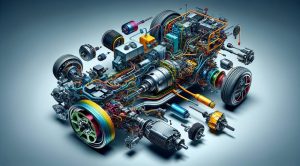
A modern High voltage system includes several interdependent parts that must be designed and integrated carefully. The battery pack is the primary energy store and is made of many cells arranged in modules with dedicated cooling and protection systems. The battery management system controls cell balancing monitors state of charge and health and manages charging and discharging to extend life and prevent unsafe conditions.
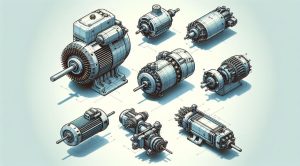
The inverter converts direct current from the battery to alternating current for the traction motor and controls motor torque and speed. The traction motor is optimized for power density and thermal management. There are also DC to DC converters that provide the lower voltages needed by the vehicle 12 volt network and accessories. High voltage wiring connectors fuses contactors and smart sensors tie the system together and provide critical safety and communication links.
Safety protocols for High voltage systems
Working with High voltage systems requires respect for electric shock hazard arc flash and stored energy in battery packs. Technicians must use personal protective equipment follow lockout and tagout procedures and verify that circuits are de energized before making contact. Vehicle manufacturers publish service manuals with step by step instructions and test points for safe handling. Training is essential and many service facilities now offer certification so that staff can diagnose and repair High voltage components with confidence.
Vehicles also include safety features to protect occupants and first responders. These can include automatic disconnects that isolate the battery in the event of a crash insulated housings for battery modules and clear labeling of High voltage wiring. Understanding these passive and active protections helps owners when they are involved in towing transport or emergency response scenarios.
Maintenance and servicing tips for longevity
To keep High voltage systems healthy follow manufacturer guidelines for charging storage and service intervals. Avoid deep frequent full discharge cycles when possible and use appropriate charging profiles. Temperature is a major factor in battery life so maintain cooling systems and avoid exposing vehicles to prolonged extremes of heat and cold. Regular software updates and battery health checks are important because management systems often receive improvements that enhance efficiency and lifetime.
When servicing focus on insulation integrity connector health and proper torque on high voltage fasteners. Replace damaged cabling and worn contactors immediately and follow recycling rules for end of life battery packs. Certified technicians will perform insulation resistance tests and verify that the DC to DC converter and inverter are operating within spec. Proactive diagnostics can prevent costly failures and keep vehicles on the road longer.
Diagnostics and testing of High voltage systems
Diagnosing issues in High voltage systems requires specialized tools such as isolation meters high voltage probes and proprietary scan tools that can read battery management system data. Common symptoms that warrant inspection include reduced range unexpected charging behavior unusual noises from inverters or motors and system error lights. Start with a software check to read stored codes and then perform step by step electrical checks while observing safety protocols.
Battery state of health is estimated using cell voltage distribution temperature logs and internal resistance measurements. Some facilities also use thermal imaging to spot hotspots that may indicate failing cells or poor connections. Documenting baseline performance and trend monitoring helps detect gradual degradation before it becomes a safety issue.
Regulations standards and best practice
High voltage systems must comply with safety and electromagnetic compatibility rules and automotive manufacturers follow industry standards for connector design cell chemistry management and crashworthiness. Service centers should stay current with national and local regulations regarding battery handling transport and disposal. Adherence to standards reduces risk and improves interoperability between suppliers and service providers.
Design trends and what to expect next
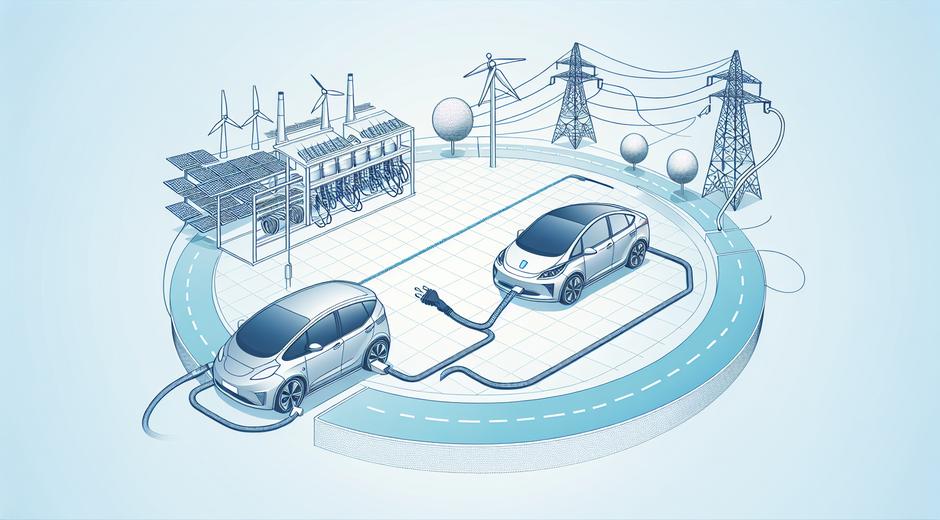
Advances in cell chemistry system architecture and cooling are increasing energy density and reducing weight. Solid state cells promise higher safety and energy capacity while modular pack designs make repair and recycling easier. Integrated power electronics are reducing component count and increasing system efficiency. In addition wireless charging and vehicle to grid technologies will add new capabilities that let vehicles store and return energy to the grid thereby supporting renewable energy integration.
Automakers and suppliers are investing in software defined vehicles where over the air updates optimize battery use and extend the functional life of High voltage systems. This means consumers will see continuous improvements in range performance and safety without needing hardware changes.
Practical advice for buyers and fleet managers
If you are shopping for a vehicle consider manufacturer warranty details battery capacity retention policies and available service networks. For fleets plan charging infrastructure and maintenance schedules that match duty cycles and peak demand. Monitor total cost of ownership not just purchase price and factor in charging energy costs and expected battery replacement timelines.
Educational resources and owner forums can be valuable when evaluating real world performance. For a broad overview of vehicle topics and reviews visit autoshiftwise.com where you can compare models and read owner feedback that highlights how High voltage systems perform in everyday use.
Lifestyle and cabin considerations
High voltage systems free designers to reimagine vehicle cabins and features because space constraints change and power availability increases. Thermal comfort systems can use electrically driven heat pumps that are more efficient than resistive heating and allow better range management in cold weather. If you also want content on interior care and accessories for your vehicle cabin there are lifestyle partners that review cleaning products and accessories such as seat covers and organizers. For curated beauty and care recommendations that can extend to interior fabrics visit BeautyUpNest.com for ideas that help preserve surfaces and maintain a refined cabin experience.
Conclusion
High voltage systems are a foundational technology for modern vehicles that bring significant benefits and new responsibilities. By learning how these systems work following safety rules and planning maintenance you can maximize performance and safety. Whether you drive a dedicated electric vehicle a plug in hybrid or a full hybrid understanding High voltage systems empowers you to make smarter choices when buying servicing and operating vehicles in a world that is rapidly electrifying.