

Vehicle electrification Transforming the Future of Mobility
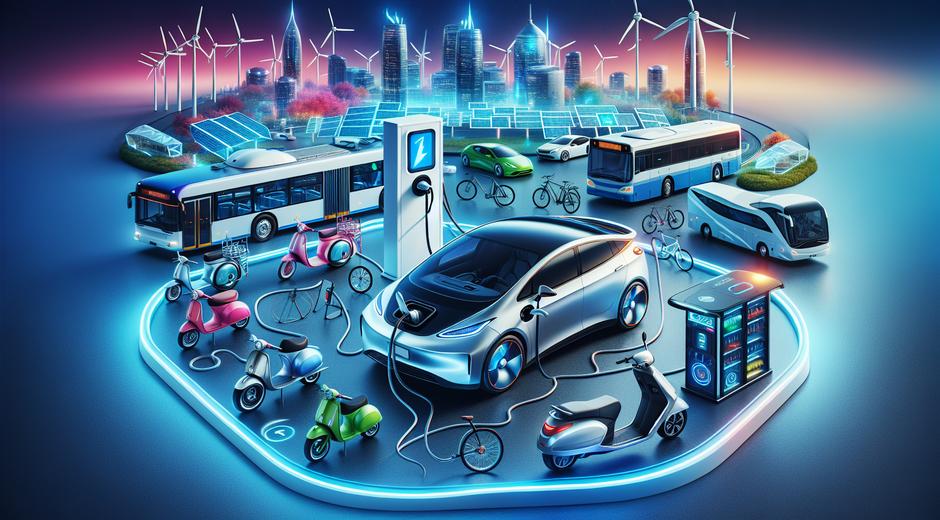
Vehicle electrification is changing how people move goods and themselves across cities and rural regions. From passenger cars to public transport fleets and delivery vans the shift toward electric powertrains is driven by advances in battery chemistry improvements in power electronics and a growing infrastructure of charging stations. In this article we explore why Vehicle electrification matters what technologies make it possible how infrastructure will evolve and what drivers and fleet managers should know to make smart choices.
Why Vehicle electrification matters now
There are several compelling reasons why Vehicle electrification is a priority for manufacturers governments and consumers. First reducing greenhouse gas output from road transport is essential to meet climate goals. Electric powertrains produce no tailpipe emissions which improves urban air quality. Second the operating cost per mile for electric vehicles is typically lower than for internal combustion engine vehicles thanks to higher efficiency and fewer moving parts. Third rapid progress in battery cost and energy density has made electric vehicles more practical for a wider range of use cases.
For readers seeking reliable guides and reviews about models and charging tips you can visit autoshiftwise.com which offers up to date content on trends and buying advice for all car types.
Core technologies behind Vehicle electrification
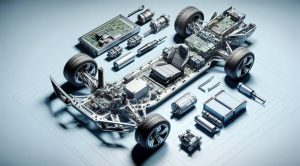
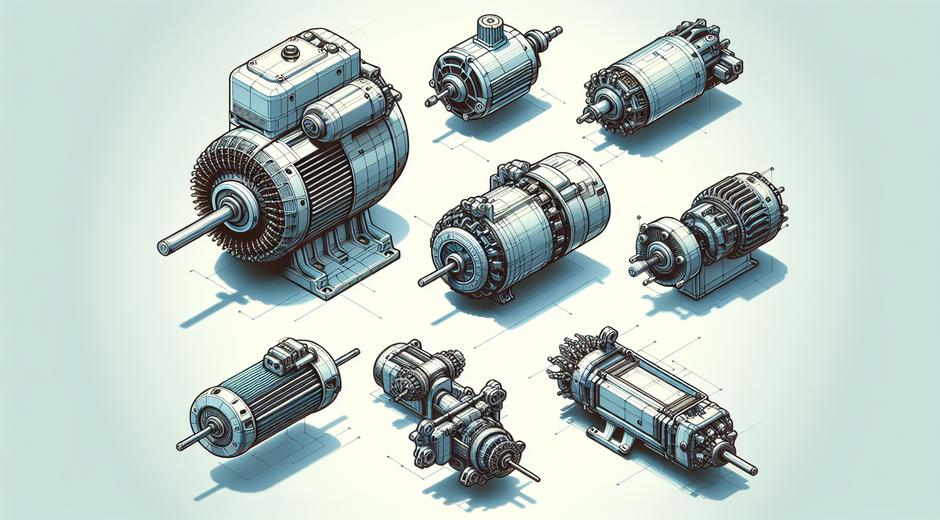
Vehicle electrification depends on a combination of battery systems electric motors and control electronics. Battery packs store electrical energy and new chemistries such as lithium ion variants with improved cathode and anode materials have increased range and reduced cost. Electric motors deliver instant torque which improves acceleration and allows designers to rethink vehicle packaging. Power electronics manage the flow of energy between the battery motor and charger while software controls optimize range performance and thermal management.
Another important area is battery management systems which ensure safety and longevity by balancing cell voltages and controlling temperature. Fast charging tech including high power DC chargers and smart charging protocols reduces downtime and makes longer trips practical. Continued research into solid state and alternative battery chemistries promises further gains in energy density and charging speed.
Charging infrastructure and how it will scale
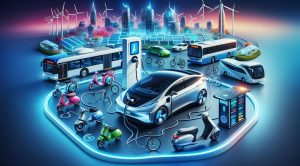
A reliable charging network is essential for widespread Vehicle electrification. Charging solutions can be categorized by power level and use case. Level one and Level two AC chargers are common for home and workplace charging while high power DC fast chargers are used for corridor charging and rapid top ups. Public policy and private investment are expanding charging networks along highways and in urban centers.
Interoperability standards and smart charging features help balance grid load by shifting charging to off peak hours or responding to local supply constraints. Vehicle to grid capabilities allow flexible energy use by returning power from vehicle batteries to the grid when needed. That capability creates new revenue streams for vehicle owners and adds resilience to the electricity system.
Economic and fleet implications of Vehicle electrification
Total cost of ownership for electric vehicles is an important metric for buyers and fleet operators. While upfront purchase price can be higher than for comparable internal combustion engine models the lower fueling and maintenance expenses often offset that difference over the life of the vehicle. Fleet managers consider charging logistics vehicle range and duty cycles when moving to electric models. For many commercial use cases the predictable fuel costs and lower maintenance needs are major advantages.
Vehicle electrification also creates opportunities for new business models. Battery leasing subscription services and bundled energy packages are emerging. Companies that manage charging infrastructure and energy flows can monetize demand response and other grid services. As an example there are firms that help vehicle owners maintain battery health and repair electrical systems such as Fixolix.com which promotes maintenance solutions and parts for modern vehicles.
Policy market and manufacturing trends shaping the transition
Government incentives and regulations play a major role in accelerating Vehicle electrification. Tax credits purchase rebates and access to restricted urban lanes are common measures. Emissions standards and sales targets encourage manufacturers to expand electric model line ups. At the same time investments in battery supply chains and domestic production facilities reduce reliance on single sources and improve resiliency.
Automakers are shifting portfolios toward electric models and many have announced ambitious plans for battery electric offerings. Partnerships between vehicle manufacturers battery producers and software companies are delivering integrated systems with faster time to market. Local content rules and strategic investments are reshaping supply chains and creating new jobs in manufacturing and research.
Consumer considerations when choosing electric vehicles
When evaluating electric vehicles buyers should consider range charging options warranty coverage and total cost of ownership. Real world range depends on driving style ambient temperature and payload. Prospective buyers should evaluate home charging installation costs and access to public chargers in daily routes. Incentives and available tax credits can significantly reduce initial purchase cost.
Maintenance needs are different from traditional vehicles. Electric vehicles require less routine service for components such as oil filters and spark plugs. However battery health coolant systems and power electronics require specialist attention. Owners should follow manufacturer guidelines for charging habits and thermal management to maintain battery longevity.
Environmental impact and lifecycle analysis
Lifecycle assessments show that Vehicle electrification reduces overall greenhouse gas output compared to conventional vehicles in most regions. The benefits are greater when electricity comes from low carbon sources. Battery production has environmental impacts but improvements in recycling and second life applications for used batteries reduce the net footprint. Batteries can be repurposed for energy storage in buildings or grid applications which extends useful life and spreads the environmental cost over more services.
Recycling technologies and collection networks for battery materials will be essential to close the loop. Policies that support reuse and material recovery help ensure that Vehicle electrification is both sustainable and circular.
How businesses and cities can accelerate adoption
Local governments and businesses can speed up Vehicle electrification by installing chargers at workplaces and public parking sites offering incentives for fleet electrification and integrating electric vehicle planning into urban design. Transit agencies electrifying buses and shared mobility services reduce local emissions and demonstrate viability at scale. Public private partnerships can lower deployment costs and coordinate locations for high impact charging hubs.
Training and workforce development ensure that technicians and first responders are prepared for safe handling of high voltage systems and battery recycling operations. Clear zoning and permitting rules reduce the time required to deploy charging infrastructure.
Practical tips for drivers new to electric vehicles
If you are considering an electric vehicle start by analyzing your typical driving patterns and daily mileage. Short local trips are ideal for many electric models. Install a level two charger at home if possible and learn local public charging options for longer trips. Use regenerative braking settings to recover energy in stop and go traffic and precondition the cabin while the vehicle is plugged in to preserve range in extreme weather.
When buying used electric vehicles check battery health reports and service history. Many sellers provide detailed battery diagnostics and remaining capacity estimates. Factor in expected depreciation and warranty coverage for high cost components.
Conclusion The road ahead for Vehicle electrification
Vehicle electrification is no longer a niche trend. It is a broad transformation of the automotive ecosystem that touches manufacturing energy infrastructure urban planning and consumer behavior. Continued improvements in battery technology charging infrastructure and policy support will determine the pace of adoption. For drivers fleets and cities that embrace electrification the benefits include lower operating costs cleaner air and new opportunities in energy management.
As the market evolves stay informed about advances in battery technology charging standards and total cost of ownership. Reliable sources and specialist services can guide owners through maintenance and upgrades. By understanding the technology and planning charging needs drivers can confidently join the transition to a cleaner more efficient future of mobility.