

EV platform design: Principles for the next generation of electric cars
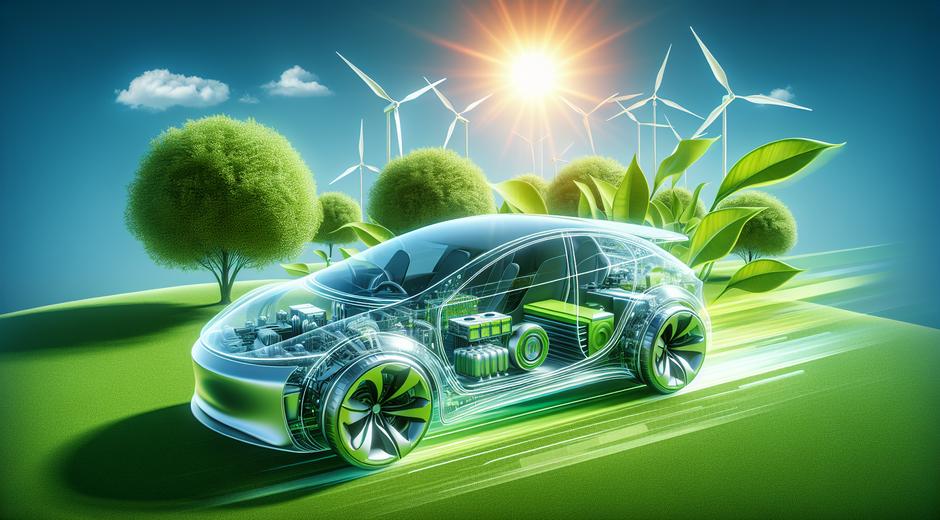
Electric vehicle platform design is the foundation that determines how an electric car looks drives charges and scales across multiple models. As automakers move from converting internal combustion vehicle designs to purpose built electric architectures the importance of a dedicated EV platform design grows. The right approach will improve range handling safety and manufacturing efficiency while lowering cost over the life of the vehicle.
What makes a great EV platform design
An EV platform design starts with a clear set of goals for packaging energy storage electric drive units thermal control and software integration. A good platform balances the needs of battery placement structural rigidity and passenger comfort. Designers think about how cells will be arranged how modules will be cooled and where motors will be located. They also consider future proofing so the same basic architecture can support compact sedans SUVs and larger vehicles without costly rework.
Key components in an EV platform design
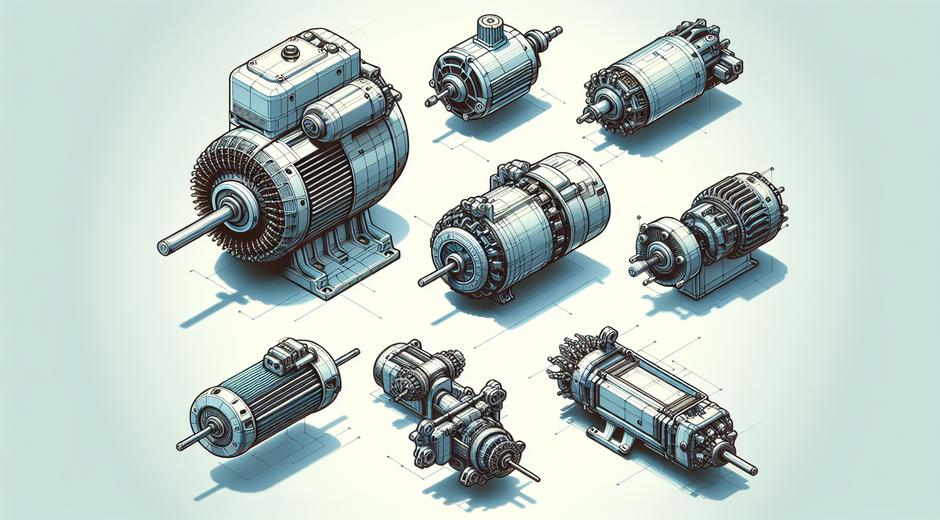
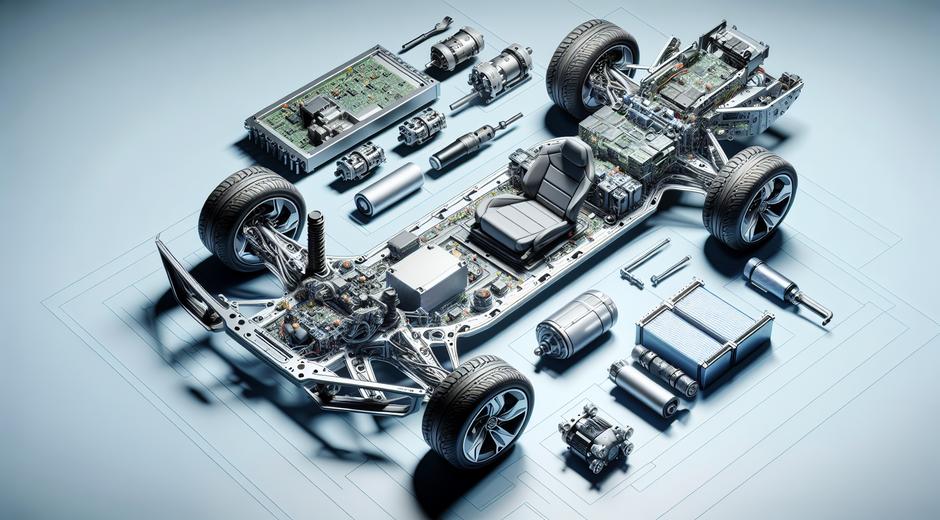
Every EV platform design consists of several core systems that must be engineered to work together. The battery pack forms the center of gravity and the basis of vehicle range. Power electronics manage the conversion of DC to AC and control motor torque. Electric motors deliver propulsion and regenerative braking. The chassis integrates suspension steering and crash structures and the cabin hosts the human machine interface and safety systems. In addition to these physical parts a modern EV platform design includes deep software control for energy management diagnostics and over the air updates.
Battery placement and structural battery integration
How batteries are integrated into the vehicle is a major differentiator in EV platform design. A floor mounted pack that spans the wheel wells lowers center of gravity improves interior space and enables a simple skateboard style architecture. More advanced approaches embed cells into the vehicle structure so the pack becomes part of the load carrying frame. This structural battery approach can reduce weight and increase stiffness but requires close coordination between cell makers pack integrators and chassis engineers to meet crash requirements and thermal needs.
Thermal management and charging strategy
Thermal control is central to both performance and longevity of the energy source in any EV platform design. Efficient thermal systems keep cells within their safe operating window during charge and discharge and support fast charging without accelerating degradation. Many platforms use liquid cooled coolant loops combined with careful airflow planning around motors and power electronics. Charging strategy ties to thermal work since charging at high power generates heat. The platform must also support charging standards and hardware such as onboard chargers DC fast charge ports and communication protocols that enable networked charging.
Modularity scalability and brand strategy
One of the biggest trends shaping EV platform design is modularity. A single platform that can be stretched or shortened can underpin multiple vehicle segments which lowers development cost and shortens time to market. Modularity also helps with localization of production since the same basic platform design can be adapted to regional supply chains. At the brand level modular platforms let designers create distinct driving personalities and cabin experiences while sharing common mechanical and electrical subsystems.
Safety consideration in EV platform design
Electric platforms change how engineers approach crash energy management. Without a large engine at the front designers have more space to create crush zones or to reposition components for improved pedestrian protection. Battery safety is another critical area. An EV platform design must include robust protection for the pack from intrusion adequate cooling to limit thermal events and systems to detect and isolate issues quickly. High voltage wiring and connectors must be routed to minimize risk and to allow for serviceability in the field.
Materials weight and cost trade offs
Material choices drive both weight and cost for an EV platform design. Using aluminum or advanced high strength steel can lower mass which improves range but can increase cost. Composite materials can offer excellent performance at weight but pose challenges for repair and recycling. Designers must balance upfront material cost with operating efficiency and lifetime maintenance. Lightweighting measures must also be considered alongside battery size since a heavier vehicle needs more energy to deliver the same range.
Software domain control and data driven design
Software defines much of the user experience and the operational performance of modern electric vehicles. In EV platform design software controls energy flow thermal systems driving dynamics and battery management. Domain controllers consolidate functions which simplifies wiring and can reduce weight but requires strong software architecture and cybersecurity measures. Data from vehicles in service informs continuous improvement. Teams use that telematics data to refine energy management strategies update thermal maps and optimize regeneration profiles to improve range and customer satisfaction.
Manufacturing and supply chain realities
Design choices in an EV platform design must reflect manufacturing capabilities and supply chain constraints. Platforms designed for ease of assembly reduce factory cycle time and lower production cost. Standardized modules for the battery pack motors and electronics help secure volume discounts and simplify logistics. At the same time designers must consider availability of raw materials and cell supply since these factors heavily influence program timing and final vehicle price.
Testing validation and regulatory alignment
Extensive simulation and physical testing validate an EV platform design. Crash testing thermal abuse testing and electromagnetic compatibility checks ensure the vehicle meets regulatory and safety standards. Range and performance testing under realistic conditions helps teams align energy models with field performance. Close coordination with certification bodies reduces surprises and shortens the path to launch.
Design process and collaboration
Successful EV platform design requires multidisciplinary collaboration across mechanical engineers electrical engineers software teams battery chemists and manufacturing planners. Early stage co design sessions align goals and trade offs. Iterative prototyping and rapid testing enable teams to find balanced solutions for range comfort and cost. Transparent communication with suppliers ensures parts meet the unique needs of electric systems.
Future trends that will shape EV platform design
Looking ahead several trends will influence EV platform design. Advances in cell chemistry will enable higher energy density and may change pack architectures. Solid state cells could allow thinner packs leading to more cabin space. Wireless charging embedded in parking garages and roads could change how vehicles are sized for range. Increased use of simulation and machine learning in design cycles will reduce physical prototypes and accelerate iteration. Finally cross industry collaboration will bring new materials and manufacturing techniques into the automotive realm.
For readers who follow the latest developments and want practical guidance on selecting and evaluating electric vehicle platforms we maintain a broad resource of articles reviews and comparisons that focus on real world trade offs. You can explore insights on vehicle architecture charging and component integration at autoshiftwise.com where we publish analysis tailored to drivers fleet managers and industry professionals.
If you are seeking external tools and references for model visualization and interactive learning you may find value in curated partner content and resources available at Moviefil.com. These can complement the technical material and help teams present platform concepts to stakeholders and partners.
Conclusion
EV platform design is a central element in the transition to electric mobility. It shapes vehicle performance range safety and customer experience. By focusing on intelligent battery integration efficient thermal systems modular architecture and strong software controls designers can deliver platforms that are both flexible and future ready. Teams that align engineering design with manufacturing capability and supply chain realities will create the most competitive products in the evolving market for electric vehicles.