

Electric torque delivery Explained for Drivers and Enthusiasts
Understanding Electric torque delivery is essential for anyone shopping for an electric vehicle or wanting to get the most from modern automotive technology. Electric torque delivery is the way an electric motor applies rotational force to the wheels. That simple phrase unlocks many important benefits and trade offs that determine acceleration feel handling efficiency and overall driving satisfaction. This article walks through the principles the hardware and the software behind electric torque delivery and explains what matters when you compare cars and driving modes.
What is Electric torque delivery and why it matters
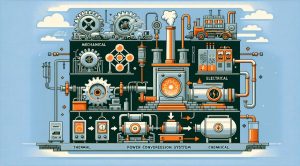
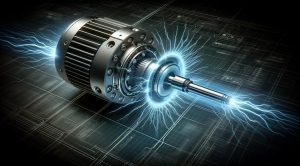
Electric torque delivery describes how torque is produced controlled and transmitted to the wheels. Unlike internal combustion engines that build torque as engine speed rises electric motors can produce high torque at zero speed. This yields instant acceleration from a stop and a responsive throttle feel. For everyday drivers that means quicker launches smoother city driving and linear response when merging or overtaking. For performance drivers it means powerful acceleration off the line and the ability to shape torque across each wheel for cornering and stability.
How the motor and inverter shape torque
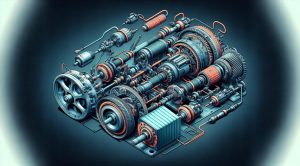
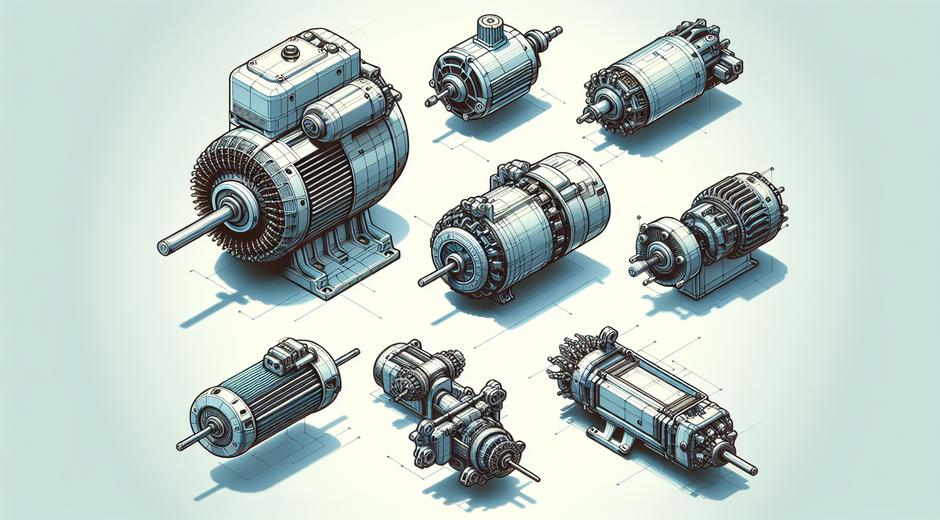
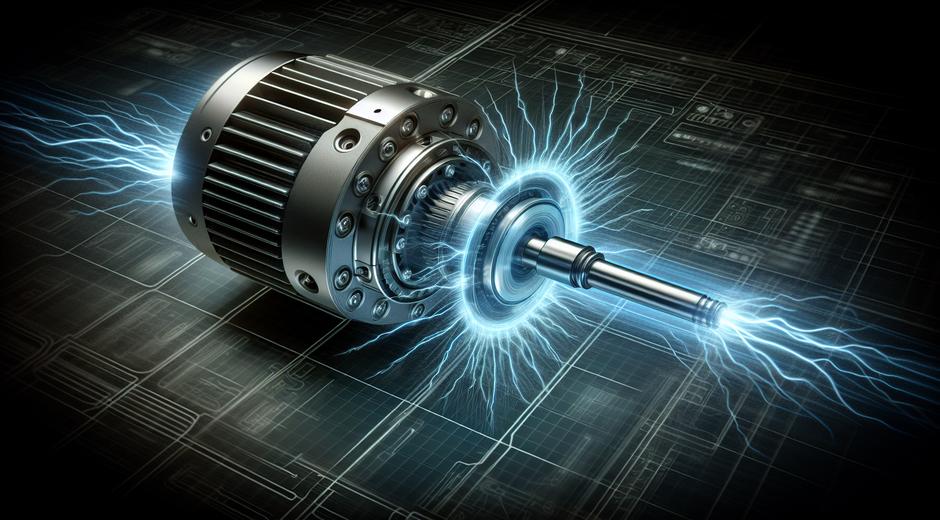
Two main components determine electric torque delivery. The electric motor creates torque. The inverter controls current and voltage to the motor and therefore controls how much torque is available and how quickly it comes on. Motor type matters. Permanent magnet synchronous motors tend to deliver strong torque across a wide speed range. Induction motors can offer robust performance and may present different torque characteristics at varying speeds. The inverter uses pulse width modulation and advanced algorithms to manage current so drivers experience smooth predictable torque instead of abrupt surges.
The role of gear reduction and driveline design
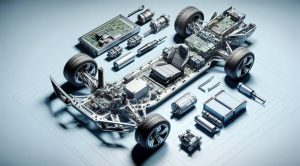
Most electric vehicles use a simple gear reduction to multiply motor torque at the wheels. Because electric motors produce high torque at low rpm many cars use a single gear ratio. The choice of gear ratio affects acceleration top speed and efficiency. Some manufacturers opt for a two stage gear arrangement to get both rapid acceleration and efficient cruising. Driveline layout also matters. A single motor in the rear or front will deliver torque to those wheels only while dual motor setups share torque between axles. Where precise handling is a priority torque distribution can be adjusted in real time for better traction and stability.
Torque vectoring and handling
Advanced electric torque delivery systems include torque vectoring. That means the controller sends different amounts of torque to each wheel to improve cornering and stability. Without moving mechanical differentials the vehicle can apply torque electronically making cornering faster safer and more controlled. Good torque vectoring can reduce understeer and help the car maintain a precise line through a turn. It also improves traction on slippery surfaces because the system can react faster than traditional mechanical devices.
Software mapping and drive modes
Electric torque delivery is not only a hardware story. Software mapping is critical. Manufacturers tune throttle response torque limits and regeneration behavior to produce distinct driving modes such as efficiency comfort sport or track. In efficiency mode torque delivery is softer and more gradual to save energy. Sport mode sharpens response and allows faster torque ramp up for a more engaging drive. The clarity and responsiveness of these drive modes are a direct expression of how torque delivery is managed by the vehicle control unit.
Regenerative braking and its interaction with torque delivery
Regenerative braking is another aspect of torque delivery that affects feel and range. When the driver lifts off the accelerator the motor acts as a generator applying braking torque to recover energy to the battery. The strength and onset of regenerative torque can change how the vehicle coasts and how the pedal feels. Some systems offer adjustable regen levels or a one pedal driving option where lifting off the gas applies significant braking torque. Effective regen management blends recovery with smooth deceleration so the driver experiences predictable torque behavior in both acceleration and slowing phases.
Thermal limits and sustained torque
Electric torque delivery can be spectacular in short bursts but sustained high torque produces heat in the motor inverter and battery. Manufacturers design cooling systems and torque limits to protect components. In some cases a vehicle may reduce available torque after repeated hard accelerations to prevent overheating. Understanding sustained torque behavior helps buyers set expectations for repeated track runs or prolonged high load driving. Vehicles with robust thermal management maintain higher continuous torque for longer while lighter cooled systems may require recovery time between hard pulls.
Battery constraints and torque management
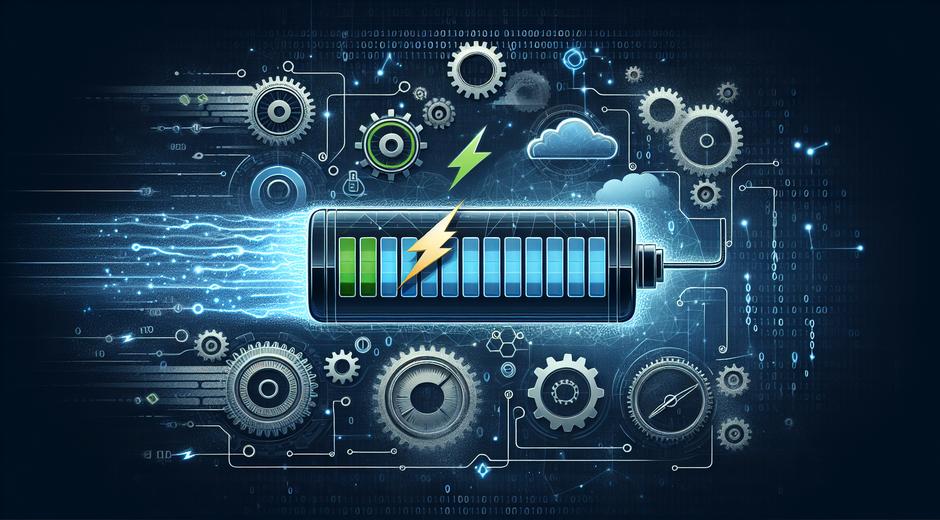
Battery capability influences maximum available torque. The battery must deliver current fast enough to support high torque demands. Voltage sag and thermal limits reduce available power which in turn affects how much torque the motor can produce. Manufacturers balance battery chemistry cell arrangement and cooling to support desired torque delivery. This is why performance electric vehicles often combine high power battery designs with aggressive cooling strategies to sustain strong torque over time.
Practical benefits for everyday driving
Electric torque delivery reshapes the driving experience in practical ways. Instant torque makes city stop and go traffic easier and merging onto highways quicker. Linear torque response improves precision when accelerating out of corners or passing slower vehicles. The smoothness of electric torque also enhances comfort because there is less vibration and less need for transmission shifts. For drivers upgrading from gas vehicles the change can feel dramatic yet immediately beneficial for normal driving tasks.
Performance tuning and aftermarket options
Many enthusiasts explore tuning options to alter electric torque delivery. Software remaps can increase torque limits adjust throttle curves and change regeneration behavior. Hardware upgrades such as improved cooling higher performance inverters and different motor windings can increase available torque or improve thermal endurance. When tuning it is important to respect safety and warranty considerations and to understand how changes affect battery life and component stress.
How to evaluate Electric torque delivery when shopping
When comparing vehicles pay attention to how quickly torque is available the breadth of the torque curve and how the vehicle manages torque under repeated loads. Test drives should include city acceleration highway merges and repeated sprints if you care about sustained performance. Ask dealers about torque vectoring features regeneration strength and thermal management. For deeper technical guides and comparative reviews visit authoritative resources and user forums for real world feedback. You can also find expert coverage and model by model comparisons at autoshiftwise.com which covers electric vehicle technology in detail.
Future trends in Electric torque delivery
Expect to see continued evolution in torque delivery as motor design battery technology and control software improve. Wider adoption of multi motor layouts and improved torque vectoring will make cars more agile and safer. Advances in battery power density and cooling will allow higher sustained torque without thermal penalties. Software defined vehicles will let drivers customize torque maps more easily and enable over the air improvements in responsiveness and efficiency. For related content on performance and tuning trends check out partner content at SportSoulPulse.com.
Key takeaways
Electric torque delivery is a central reason electric vehicles feel different and often more capable than their internal combustion counterparts. Instant torque smooth response torque vectoring and regenerative braking combine to change acceleration handling and energy recovery. Evaluate torque characteristics through test drives and technical specs and pay attention to battery and thermal considerations for sustained performance. With evolving motor and software innovations the way torque is delivered will continue to be a defining element of vehicle design and driver experience.
Understanding the details of electric torque delivery helps you choose the right vehicle and tune your driving style for efficiency performance or comfort. Whether you shop for daily commuting a family car or a high performance machine the quality of torque delivery will shape every drive.