

ADAS Calibration Explained A Complete Guide for Car Owners
Advanced driver assist systems have changed how modern vehicles prevent accidents and assist drivers. ADAS Calibration is an essential service after many repairs and adjustments. This article explains what ADAS Calibration means why it matters and how vehicle owners can make sure these systems work as intended. Read on for practical advice that saves time and reduces risk while protecting the value of your car.
What ADAS Calibration Means
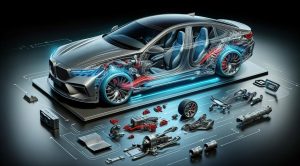
ADAS is an umbrella term for systems such as adaptive cruise control lane keeping assist automatic emergency braking and blind spot detection. Calibration refers to the process of aligning cameras radar units and other sensors to the exact factory settings so the systems can interpret the world correctly. Even small changes in sensor position or glass properties can cause misdetection false alerts or a lack of intervention when a crash is imminent.
Why ADAS Calibration Is Critical
Modern driver assist features rely on precise inputs. When calibration is off the system may warn drivers erroneously or fail to warn at all. That creates safety gaps that undermine the original intent of those features. Proper ADAS Calibration restores the intended level of safety and can prevent further damage to vehicle components that rely on system feedback. It also matters for insurance claims and for meeting repair standards after an accident.
Common Events That Require Calibration
Not every repair needs calibration yet many common events do. Examples include windshield replacement when a camera attaches to the glass collision repair that affects sensor mounts replacement of sensors or cameras wheel alignment and even changes in vehicle ride height. Any service that alters the geometry around a sensor can create the need for recalibration. Technician notes in repair records should indicate whether calibration was performed and how it was achieved.
Types of ADAS Calibration
There are several approaches to calibration depending on the vehicle model and the sensor type. Two main categories are static calibration and dynamic calibration. Static calibration uses target boards and precise positioning in a controlled space like a workshop bay. Dynamic calibration uses a road test where the vehicle is driven while software makes adjustments based on observed behavior. Some vehicles require a blend of both methods for full system validation.
Sensor types also affect the process. Camera based systems often need line of sight checks and target based alignment. Radar based systems require positioning and range checks often at specific distances. Lidar units when present follow similar methods to radar but may need additional verification. Each manufacturer publishes exact procedures and the best technicians follow those steps to the letter.
How Technicians Perform Calibration
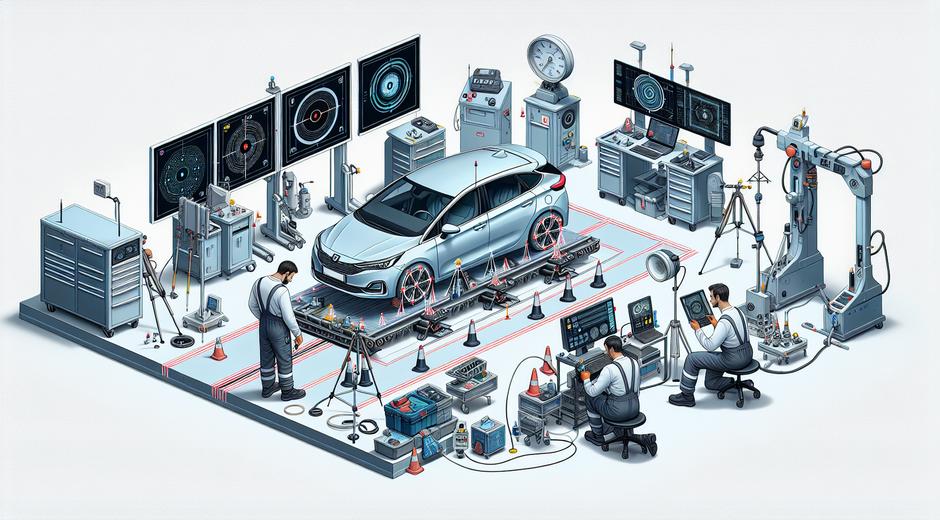
Professional shops use factory level tools or aftermarket systems that meet manufacturer specifications. The shop starts by confirming software versions checking sensor mounts and ensuring vehicle ride height is within range. For static procedures the technician places calibration targets at specified distances and heights then runs a calibration routine. For dynamic procedures the vehicle is driven under specific conditions while onboard systems collect data and adjust angles or offsets. The process ends with a verification drive and a report that outlines what was changed and why.
Cost and Time Expectations
Calibration cost varies widely based on vehicle make model and the number of systems requiring work. Prices can range from affordable to significant when multiple sensors or advanced radar lidar systems are involved. Time on the lift or time on the road also varies. Static calibration may take one to two hours while dynamic calibration will require a safe drive period that can extend the job time. Always ask the shop for an itemized quote and an explanation of which systems will be validated so you can compare offers accurately.
Signs Your Vehicle May Need ADAS Calibration
Watch for unusual alerts sudden changes in braking feel persistent false warnings or difficulty keeping a lane when systems used to operate normally. If a camera was replaced a windshield was changed or you experienced an impact event check with a qualified technician right away. Ignoring these signs can reduce safety and lead to repair complications later.
DIY Calibration Risks and Limitations
Some vehicle owners look for cost saving options by attempting calibration at home. This approach carries risks. Proper calibration needs exact placement of targets precise measurements and access to vehicle software. A small error in target location or vehicle pitch can leave systems misaligned. In many regions calibration records are important for resale value and for insurance. Professional shops with certified tools and trained staff are the safest option for most drivers.
Choosing a Reliable Calibration Shop
Look for technicians who use manufacturer approved procedures and who can show calibration records after work is complete. Read reviews ask about technician training and inquire whether the shop updates tools to match current vehicle software. If your vehicle is covered by a warranty or a service plan confirm that the shop meets any required standards. For general car care tips and a wide range of auto related articles you can visit autoshiftwise.com for trusted guidance across many vehicle topics.
How ADAS Calibration Impacts Insurance and Resale
Insurance companies and resale buyers expect repairs to restore the vehicle to a safe working condition. Documentation that ADAS Calibration was completed can speed claim processing and increase buyer confidence. If calibration is missing or incomplete insurers may question a repair claim and buyers may reduce their offer. Keeping detailed service records including calibration reports protects both safety and value.
Maintenance Tips to Keep ADAS Working Well
Regular maintenance reduces the need for unexpected calibration. Keep sensors clean and free of obstructions inspect mounting areas after impacts and avoid aftermarket parts that change sensor geometry unless they are rated for your vehicle. When replacing a windshield ask the installer if the camera mount requires a calibration procedure after installation. Small steps prevent the need for major corrections later.
Closing Thoughts
ADAS Calibration is a technical but essential part of modern vehicle care. It connects physical repair work to digital safety features. Proper calibration protects lives vehicle value and legal clarity after repairs. If you suspect a need for calibration schedule an appointment with a qualified shop and insist on a full report when the work is complete. For lifestyle resources that complement a life on the road check out TasteFlavorBook.com for ideas on food travel and personal pursuits that pair well with safe driving and good planning.