

Bidirectional Charging The Future of Vehicle Energy
What is Bidirectional Charging and Why It Matters
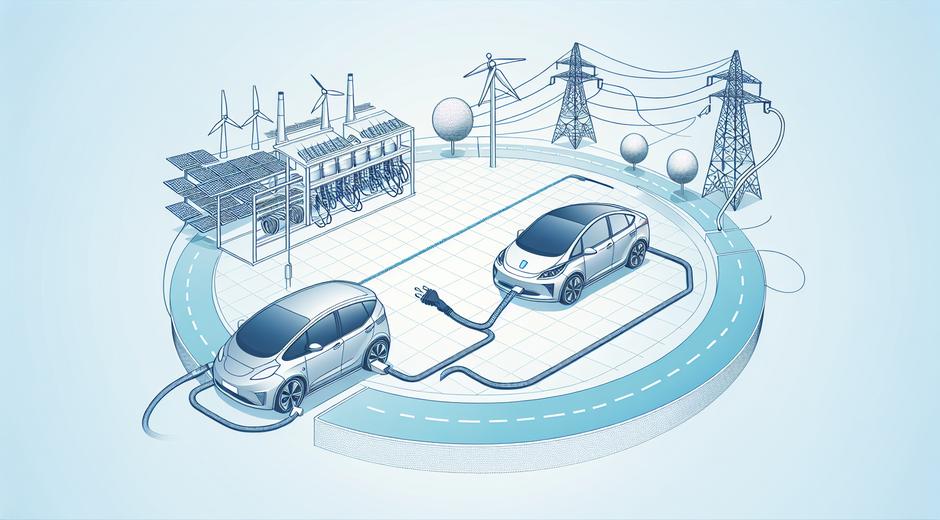
Bidirectional Charging refers to the ability of electric vehicles to both receive electrical energy from the grid and send stored energy back to the grid or to a home or device. This two way flow of electricity transforms a vehicle from a simple consumer into a mobile energy asset. As adoption of electric vehicles grows, Bidirectional Charging becomes a key technology that can help balance power demand, support renewable energy integration and offer cost saving benefits to vehicle owners.
How Bidirectional Charging Works
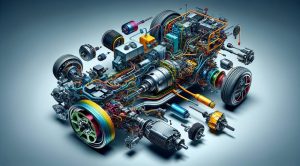
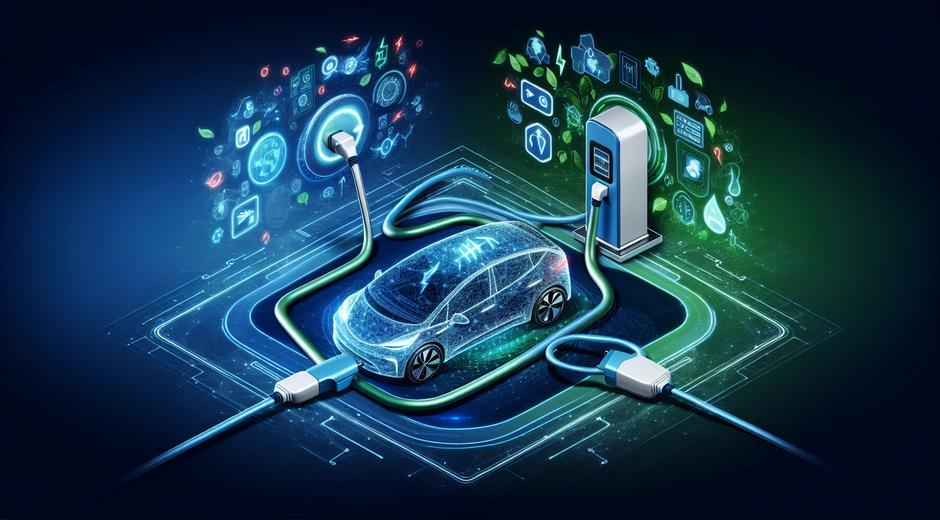
At its core Bidirectional Charging relies on hardware and software that allow power electronics inside the vehicle and the charging station to reverse the direction of current safely and efficiently. The same chargers that provide power to the battery when plugged in can be controlled to draw power out of the battery under specific conditions. Communication protocols negotiate timing, voltage and safety checks. Modern smart chargers and vehicle systems manage battery state of charge and temperature to ensure that energy flows do not harm battery health.
Key Use Cases for Bidirectional Charging
There are several compelling use cases that make Bidirectional Charging a priority for automakers grid operators and policymakers. Vehicle to grid or V2G allows fleets of vehicles to provide services to the grid such as peak shaving and ancillary services. Vehicle to home or V2H enables a vehicle to act as a backup generator during outages providing critical power for appliances and heating or cooling systems. Vehicle to load or V2L supports powering tools or portable devices directly from the vehicle battery for recreational or professional use. Each use case creates economic value and resilience that extends beyond the benefits of zero tailpipe emission driving.
Benefits for Drivers and Fleet Operators
For individual drivers Bidirectional Charging can reduce energy bills by allowing owners to charge when electricity rates are low and supply energy back to the home during high rate periods. During emergencies a charged vehicle becomes a source of power for lighting refrigeration and communications. For fleet operators aggregated vehicle capacity offers a new revenue stream by participating in grid services and helps manage operational costs by optimizing charging and discharging schedules.
Impact on the Power Grid and Renewable Energy
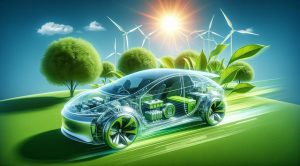
One of the most powerful aspects of Bidirectional Charging is its potential to make renewable energy more reliable. Solar and wind resources are variable by nature. Coordinating distributed storage in vehicles can absorb surplus renewable energy during times of overproduction and return that energy when generation falls. This reduces the need for fossil fuel based peaker plants and improves grid stability. In regions with high renewable penetration Bidirectional Charging can be an essential component of a modern energy system.
Addressing Concerns About Battery Life
Many potential adopters worry that frequent bidirectional cycles will degrade battery life faster. Advances in battery management systems and charging algorithms mitigate this concern by controlling depth of discharge and charging rates. Studies and pilot programs show that with smart control total battery lifetime cost can remain favorable given the potential revenue and savings from grid participation and energy arbitrage. Manufacturers are also exploring warranties and incentives to provide assurance to customers who enable Bidirectional Charging features.
Technology and Standards That Enable Bidirectional Charging
Successful implementation requires interoperability standards that allow vehicles and chargers from different vendors to communicate. Standards such as ISO protocols and open communication frameworks are evolving to support secure and reliable Bidirectional Charging. Charging stations need power electronics and software that can switch modes safely while grid operators require systems to aggregate and dispatch distributed capacity. These components together create an ecosystem where Bidirectional Charging can scale.
Policy and Market Drivers
Government incentives and utility programs play a central role in accelerating adoption. Time of use rates demand response incentives and explicit compensation for grid services can make Bidirectional Charging financially attractive. Policy makers can also encourage integration by updating interconnection rules and ensuring equitable access to programs for residential and commercial customers. Market pilots in multiple countries are generating real world data that help shape supportive regulations and business models.
Practical Steps for Vehicle Owners Interested in Bidirectional Charging
If you are an owner or prospective buyer who wants to benefit from Bidirectional Charging start by checking whether your vehicle supports the function and what hardware or software upgrades are needed. Many manufacturers now offer this capability either as built in feature or as an upgrade. Next evaluate your home electrical system and consult with a certified installer to determine the right type of charger. Finally review local utility programs and incentives that can maximize your economic returns and ensure safe and compliant operation.
Business Opportunities and New Services
Bidirectional Charging opens new revenue streams for energy service providers, charger manufacturers and aggregators. Companies can offer managed charging plans subscription services for resilience and turnkey solutions for fleets to participate in wholesale energy markets. Innovative business models include offering home resilience as a service and bundling vehicle energy services with insurance or warranty products. Entrepreneurs and established firms are exploring creative partnerships to monetize distributed storage capacity while delivering customer value.
Challenges to Widespread Adoption
Despite clear benefits there are challenges that must be addressed for widespread adoption. Technical challenges include the need for robust two way chargers and standardized communication. Market challenges involve creating transparent compensation mechanisms for services provided to the grid. Consumer awareness and trust are also important as people evaluate trade offs between battery use and economic benefits. Overcoming these hurdles requires collaboration among automakers utilities regulators and technology vendors.
Real World Examples and Pilot Programs
Pilot programs around the world are demonstrating how Bidirectional Charging can operate at scale. Cities and utilities are partnering with vehicle manufacturers to test coordinated dispatch of vehicle energy for grid services and emergency resilience. Data from these pilots show how aggregated vehicle capacity can reduce grid stress and provide reliable backup power for homes and small businesses. These early deployments are refining the technical standards and business models that will drive the next phase of growth.
The Future Outlook for Bidirectional Charging
As battery costs continue to fall and charging infrastructure expands Bidirectional Charging will likely move from niche pilots to mainstream adoption. The shift will be driven by economic incentives regulatory support and consumer demand for resilience and lower energy costs. Integration with smart home systems renewable energy generation and community energy projects will create a diverse set of opportunities. In the coming years Bidirectional Charging could become a standard feature of electric vehicles and a critical tool for managing the energy transition.
Where to Learn More and Stay Updated
For readers who want to follow developments in automotive energy systems there are trusted resources that provide in depth analysis and technical updates. Our community site offers guides news and practical advice for vehicle owners and enthusiasts. To explore a broad selection of technology coverage and industry insight visit autoshiftwise.com and for additional technology perspective and curated news consider checking Techtazz.com.
Conclusion
Bidirectional Charging represents a transformational shift in how vehicles interact with the electricity system. It unlocks economic value for owners enhances grid resilience supports renewable energy and creates new business models across industries. With coordinated action on standards policy and consumer education Bidirectional Charging can play a major role in a cleaner smarter and more resilient energy future.