

Brake by Wire The Future of Vehicle Braking Systems
Brake by Wire is reshaping how vehicles stop and how drivers interact with braking systems. As automotive design moves toward electrification and increased vehicle autonomy engineers replace mechanical links with electronic control. This article explains the core technology behind Brake by Wire highlights its benefits covers safety and maintenance concerns and offers guidance for buyers and fleet managers considering vehicles equipped with this technology.
What Brake by Wire Means
Brake by Wire refers to systems that use electronic signals to activate brakes rather than relying on mechanical connections between the brake pedal and the wheel brakes. In a conventional setup a physical line transmits force from the pedal to the master cylinder and then to the brakes. With Brake by Wire sensors detect pedal input convert it to digital data and send commands to actuators at each wheel. This separation of driver input and mechanical actuation creates new opportunities for integration with stability control energy recovery and autonomous driving features.
How Brake by Wire Works
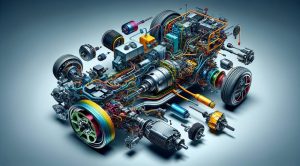
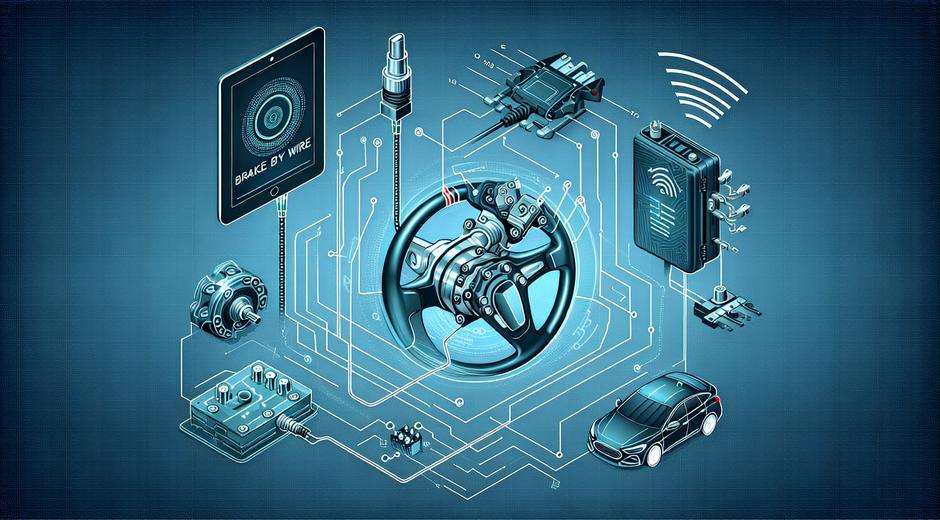
A typical Brake by Wire system includes a pedal sensor electronic control units communication networks and wheel actuators. When a driver presses the pedal sensors capture position and force data. The electronic control unit processes that input along with information from wheel speed sensors yaw sensors and vehicle state estimators. It then calculates the required braking torque and commands actuators to apply pressure at each wheel. Regenerative braking in electric vehicles can be blended with friction braking by the same control logic leading to smoother and more efficient stopping.
Key Benefits of Brake by Wire
Brake by Wire systems offer a range of benefits over legacy mechanical systems. First they enable finer control of braking on each wheel which improves stability and cornering performance. Second they allow for seamless integration with active safety systems and autonomous driving software improving response times and system coordination. Third they support energy recovery strategies in electric and hybrid vehicles by precisely blending regenerative torque with friction braking. Fourth they open design freedom since mechanical linkages and hydraulic lines can be simplified or relocated which can reduce weight and free space for packaging.
Safety Considerations and Redundancy
Safety remains the top priority for any brake system. Brake by Wire eliminates direct mechanical links which raises concerns about single points of electronic failure. To address this designers use redundant sensors multiple independent control units and backup actuators. Fallback strategies allow the system to enter a safe mode where conventional braking force is approximated even if some components fail. Rigorous validation testing simulates faults and verifies that fail safe strategies maintain stopping capability within safe limits. Regulatory bodies and vehicle manufacturers publish requirements to ensure that Brake by Wire solutions meet strict reliability targets.
Control Strategies and Driver Feel
One of the challenges of Brake by Wire is preserving intuitive driver feel. Drivers expect a certain pedal response feedback and progression. Since the mechanical link is reduced the system must recreate that feel using force feedback actuators or software driven pedal simulation. Manufacturers tune pedal maps to deliver predictable deceleration and to provide cues that help drivers gauge brake intensity. In advanced systems the pedal feel can be adapted to driving modes or to compensate for system aging so that the driver experience remains consistent over the life of the vehicle.
Applications in Electric and Autonomous Vehicles
Brake by Wire is particularly well suited for electric vehicles and for cars with high levels of driver assistance. Electric powertrains rely on regenerative braking to recover kinetic energy and extend range. Brake by Wire controls the balance between regen torque and friction braking to maximize energy recovery without compromising safety. For autonomous driving Brake by Wire enables precise coordinated control across propulsion braking and steering which is essential for smooth automated maneuvers. Because commands are digital they can be combined with mapping sensor fusion and predictive models to anticipate required braking earlier than a human driver might react.
Maintenance Diagnostics and Repair
Brake by Wire changes the maintenance profile of braking systems. There are fewer mechanical wear points associated with linkage but there are additional electronic components that require diagnostic tools and firmware updates. Onboard diagnostics monitor sensor health communication integrity and actuator performance. Service centers need updated training and equipment to troubleshoot sensor calibration software faults and actuator issues. Firmware can be updated to improve performance or to address safety recalls so over the air updates are often part of the maintenance model for modern Brake by Wire vehicles.
Cost and Adoption Considerations
Initial costs for Brake by Wire can be higher due to sensors processors and actuators. However mass adoption and improved manufacturing processes reduce cost over time. For buyers it is important to weigh long term benefits such as improved vehicle control lower weight and energy recovery against purchase price. Fleet operators may find the improved efficiency and integrated diagnostics attractive because they can reduce operating costs and downtime. As the technology matures regulatory alignment and economies of scale will speed adoption across vehicle segments.
Real World Performance and Consumer Perception
Early production vehicles equipped with Brake by Wire have demonstrated strong performance in terms of stopping distances repeatability and stability control. Consumer perception often depends on the subjective quality of pedal feel and driver confidence in safety systems. Clear communications from manufacturers about redundancy testing warranty coverage and maintenance expectations helps build trust. Independent testing organizations also evaluate Brake by Wire systems providing buyers with objective performance comparisons.
What Buyers Should Know
If you are considering a vehicle with Brake by Wire there are practical steps to inform your decision. Test drive models in different driving conditions to evaluate pedal feel and emergency stopping performance. Ask about service availability and whether required diagnostic tools are available at local centers. Confirm software update policies and how warranty covers electronic components. For in depth reviews and buying guides visit autoshiftwise.com where we compare braking technologies and list models that offer advanced systems.
Future Trends in Brake by Wire
Future developments will focus on tighter integration with vehicle electronics improved actuator technology and enhanced predictive control using machine learning. As vehicles become more connected and autonomous Brake by Wire will play a central role in ensuring responsive safe and efficient stopping. Cross industry collaboration will also grow so that home and garage design keeps pace with vehicle needs. For readers interested in vehicle friendly home upgrades and garage conversion options see MetroPropertyHomes.com where partners share guidance on creating safe charging and storage environments.
Conclusion
Brake by Wire is a transformative technology that replaces mechanical links with electronic control to deliver better performance integration and efficiency. While it introduces new considerations for safety redundancy and service it unlocks capabilities that are essential for electric and autonomous vehicles. By understanding how the system works what benefits it offers and what maintenance it requires buyers can make informed choices when selecting the next vehicle. As the market evolves Brake by Wire will likely become a common feature delivering safer smoother and more efficient stopping for all types of vehicles.