

Electric drivetrain Explained What Every Car Enthusiast Needs to Know
The rise of electric mobility has put the Electric drivetrain at the center of automotive innovation. Whether you are researching a purchase or working to understand trends in vehicle technology this guide covers critical topics from core components to real world performance. We will explain how an Electric drivetrain works why it matters and what to consider when evaluating electric vehicles for daily use or fleet deployment.
What is an Electric drivetrain
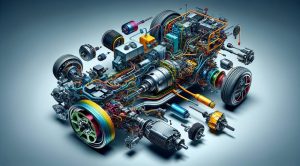
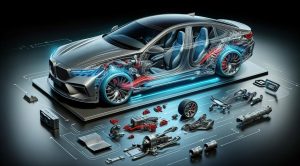
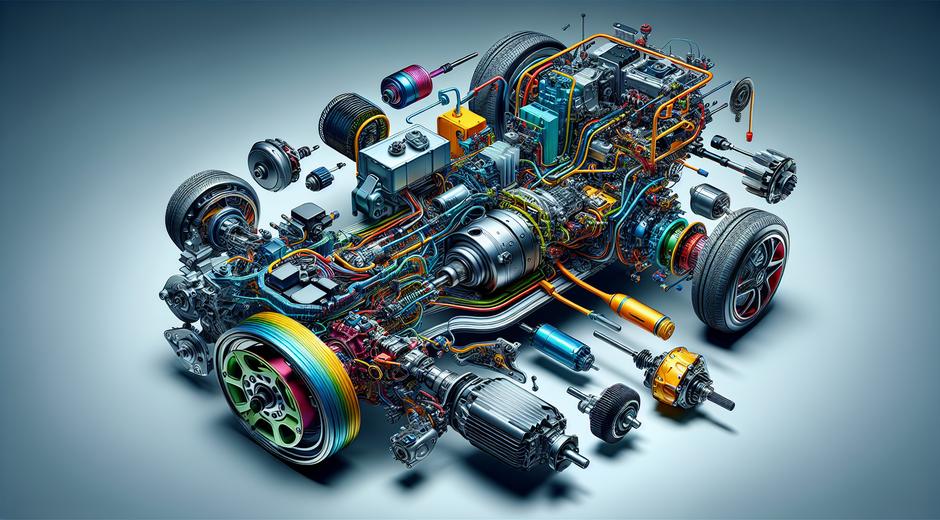
An Electric drivetrain is the system that delivers energy from an energy source to the vehicle wheels using electric components. Unlike internal combustion systems that rely on fuel engines mechanical transmissions and complex exhaust systems an Electric drivetrain typically includes a battery an electric motor power electronics a control unit and often a simplified transmission. This change in architecture alters vehicle design packaging and driving experience in many positive ways.
Key components and how they work together
Understanding the main components helps decode performance attributes and maintenance needs. The battery provides stored electrical energy. The motor converts electrical energy into mechanical rotation. Power electronics manage voltage current and torque delivery. The control unit orchestrates communication between the battery the motor and vehicle systems. Some vehicles use a single motor while others use multiple motors for torque vectoring and all wheel traction control. Efficient integration of these parts defines how responsive quiet and efficient the vehicle feels to the driver.
Motor types and their strengths
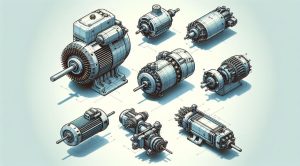
Manufacturers choose motor types based on cost weight efficiency and torque characteristics. Common types include induction motors permanent magnet motors and switched reluctance motors. Permanent magnet motors are compact and efficient at steady speeds. Induction motors can handle high loads and are robust under varying conditions. Switched reluctance motors offer potential for reduced rare earth dependency and can perform well when paired with advanced control software. The choice of motor influences range charging strategy and vehicle dynamics.
Power electronics and the role of the inverter
Power electronics are the unsung heroes of the Electric drivetrain. The inverter converts direct current from the battery into alternating current for the motor and adjusts frequency and amplitude to control speed and torque. Advanced inverters also support regenerative braking a process that captures energy during deceleration and feeds it back into the battery to extend range. Thermal management of these electronics is critical because heat affects efficiency and longevity.
Transmission choices for electric vehicles
Many electric vehicles use a single speed transmission since electric motors deliver usable torque across a wide rpm range. This simplifies mechanical design reduces weight and increases reliability. Some performance applications and heavy duty vehicles still employ multiple speed transmissions to expand top speed or improve efficiency at different load levels. The simplicity of most Electric drivetrain designs translates into fewer moving parts and lower routine maintenance compared to traditional systems.
Regenerative braking and energy recovery
Regenerative braking is a core advantage of Electric drivetrain technology. When slowing the vehicle the motor functions as a generator converting kinetic energy back into electrical energy. This recovered energy returns to the battery and improves overall efficiency. The degree of braking energy that can be recaptured depends on battery acceptance rate motor control and driving conditions. Drivers often notice a different pedal feel because the car can slow using electric regeneration without touching the friction brakes in light braking situations.
Range efficiency and real world factors
Range is the most discussed metric for electric vehicles and it depends on battery capacity vehicle weight aerodynamics motor efficiency and driving behavior. Temperature plays a large role because battery performance drops in cold conditions and cabin heating can consume significant energy. Driving at steady moderate speeds and using eco modes that optimize torque delivery can maximize distance per charge. For real world planning it helps to look beyond the advertised range and consider seasonal and route specific variables.
Charging technology and infrastructure
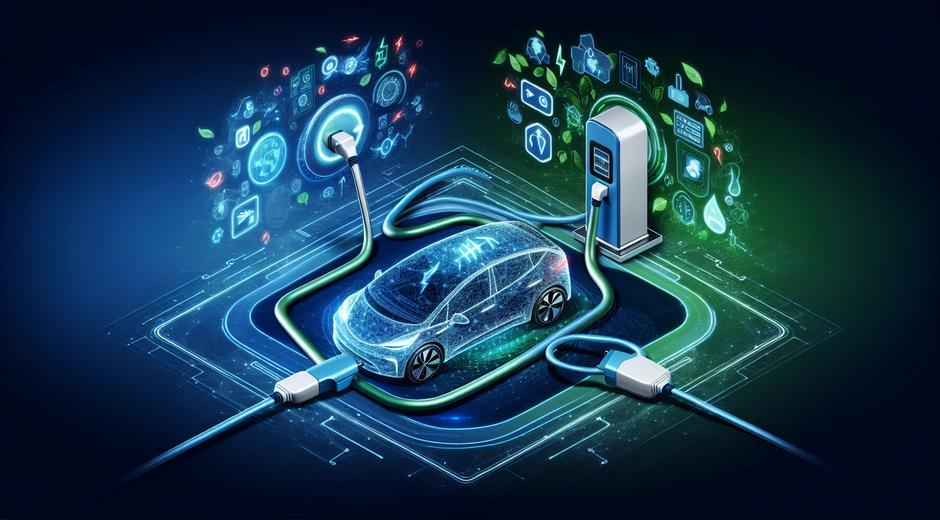
Charging is a key part of the ownership experience. Home charging overnight is convenient for many owners while public fast charging supports longer trips. Charge rate depends on battery chemistry battery management settings and the capabilities of the charger. Network availability and charging etiquette influence usability of public stations. Planning routes with charging stops in mind and choosing vehicles compatible with the most common charging standards improves long distance travel confidence.
Maintenance reliability and total cost of ownership
Electric drivetrains are simpler mechanically which reduces routine maintenance such as oil changes and complex transmission servicing. Brake wear can be lower due to regenerative braking. However batteries and power electronics require attention for thermal management and software updates. Battery degradation over time affects range and may represent a significant maintenance consideration. When analyzing total cost of ownership include incentives energy costs insurance and potential battery warranty coverage to get a realistic picture of long term value.
Integration with vehicle design and user experience
Electric drivetrains allow designers to reimagine interior space because legacy components are absent. Flat floors and flexible packaging enable larger cabins and creative storage solutions. The simplicity also supports features such as one pedal driving where regenerative braking is strong enough for many stop and go situations. Infotainment and advanced driver assistance systems often integrate closely with drivetrain control to optimize performance in real time.
Environmental and economic impacts
Electric drivetrains help reduce tailpipe emissions when paired with clean energy. Lifecycle analysis matters because manufacturing and battery materials contribute to environmental footprint. Advances in battery recycling and second life applications aim to reduce overall impact. On the economic side lower fueling costs and reduced maintenance can offset higher purchase prices over time. Many regions offer incentives rebates or tax credits that further improve affordability.
Future trends to watch
The Electric drivetrain continues to evolve. Expect higher energy density batteries faster charging architectures and smarter power electronics that squeeze more efficiency from each kilowatt hour. Solid state battery development promises improvements in safety and energy density. Wireless charging and vehicle to grid features are emerging enabling new use cases for stored energy. As the ecosystem matures vehicle makers software developers and infrastructure providers will play a stronger role in shaping the user experience.
How to choose the right electric vehicle
Selecting a vehicle starts with needs assessment. Consider daily driving distance charging options at home and at work climate and typical cargo needs. Look for credible battery warranties and real world range tests. Evaluate charging network access in your area. For expert car content and comparison tools that help simplify choice visit autoshiftwise.com to explore reviews and technical breakdowns across top makes and models.
Closing thoughts
The Electric drivetrain represents a transformational shift in how vehicles deliver power and interact with drivers and the grid. Benefits include improved efficiency lower maintenance and a platform for innovation in user experience and vehicle design. Challenges such as charging infrastructure battery lifecycle and upfront cost remain but progress in technology and policy continues to address those gaps. For related topics on wellness and comfort in vehicle interiors consider resources that cover occupant health and ergonomics such as BodyWellnessGroup.com. With informed choice and planning the Electric drivetrain can deliver a rewarding reliable and efficient driving experience.