

Electric drivetrain losses Explained for Drivers
Electric drivetrain losses are a critical factor for anyone who cares about range efficiency and real world performance of electric cars. Understanding where energy disappears between the battery and the wheels helps drivers make better choices and helps engineers design systems that waste less energy. This article walks through the main loss sources inside an electric drivetrain and offers practical steps to reduce those losses while explaining how future technology will change the picture.
What we mean by Electric drivetrain losses
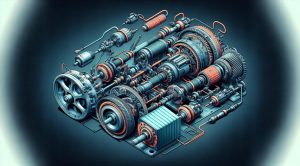
When a driver presses the accelerator energy flows from the battery through power electronics and an electric motor then through mechanical parts to the road. At each stage some fraction of energy converts into heat or other forms that do not provide forward motion. The sum of those wasted portions is what professionals call Electric drivetrain losses. These losses set the real world range and influence how quickly the battery warms up and how much cooling the vehicle needs.
Where the energy is lost inside the system
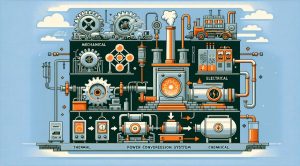
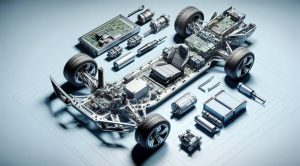
Losses occur in multiple domains. Electrical losses appear in the battery and wiring. Power stage losses appear inside the inverter and control electronics. Mechanical losses appear in the gearbox, bearings and tires. Thermal losses show up as heat that must be managed by cooling systems. Here are the major categories and what drives them.
- Battery internal resistance Energy is lost inside the battery cells as current flows. This is visible as voltage drop and heat. Higher current draw increases the proportion of energy lost to internal heating.
- Power electronics Converting direct current to alternating current and changing voltage levels consumes energy. Inverter switching losses and conduction losses inside transistors are key contributors.
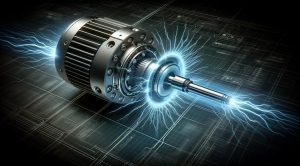
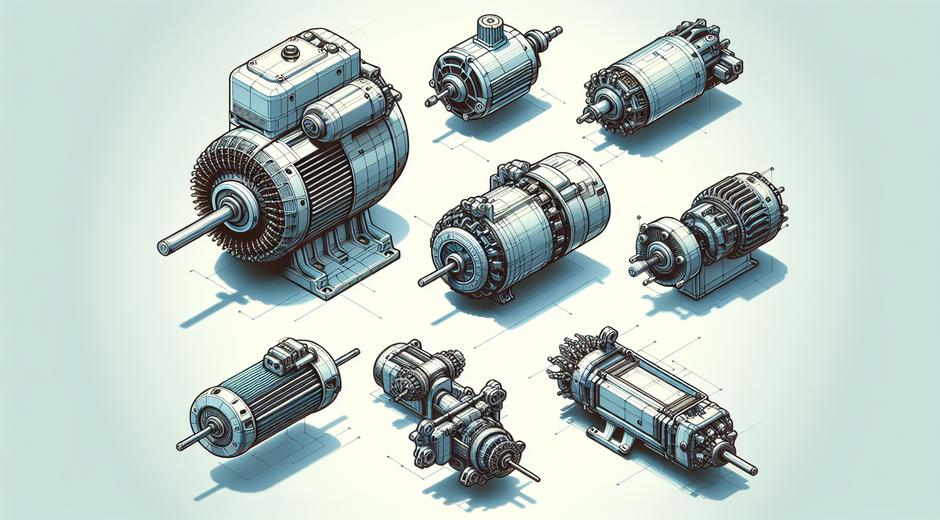
- Electric motor inefficiency Motors are not perfectly efficient. Copper losses in windings and iron losses in the core appear as heat. Losses depend on torque and speed and on the control strategy used by the motor controller.
- Mechanical transmission losses Any gears bearings or coupling devices introduce friction and hysteresis. Even direct drive systems have bearing losses and seal friction.
- Auxiliary loads Fans pumps heaters and infotainment systems draw energy from the battery and reduce the portion available for traction. Thermal management for the battery and motor can be a significant parasitic load in extreme climates.
- Regenerative braking limits Not all braking energy can be recaptured. State of charge and battery charge rate limits restrict regeneration and force some energy to be converted into friction heat.
How losses affect range and performance
Range is the most visible consequence of drivetrain losses. A car rated for a certain energy consumption on paper will typically deliver less range on the road because real world operating points cause higher losses. For example driving at high speed increases aerodynamic drag which forces the motor and inverter to work harder where they are less efficient. Frequent rapid acceleration causes high current draw that increases battery and motor losses. Even steady state uphill driving increases losses because the system operates at higher torque levels where losses are larger.
Performance aspects such as acceleration feel and thermal durability are also connected. If the motor and inverter run hot due to losses the system may impose power limits to protect components which reduces performance. In climates that require cabin heating using resistive elements efficiency can collapse because a large fraction of battery energy goes to the cabin instead of propulsion.
Measuring and modeling losses
Engineers measure loss profiles using chassis dynamometers cell level testers and component bench tests. Typical methods separate the drivetrain into modules and quantify input output flows. Loss maps for motors and inverters show efficiency as a function of torque and speed. These maps become inputs to system level models that simulate a driving cycle and predict range.
For drivers a practical measurement is simple energy accounting. Track battery state of charge between two trips note the route and ambient conditions then compute average energy per mile or kilometer. Comparing this figure across conditions reveals how much losses rise due to weather load or driving style. For deeper exploration visit resources and guides on leading car sites such as autoshiftwise.com where you can find tutorials and real world tests that break down consumption by subsystem.
How to reduce Electric drivetrain losses in real life
Drivers can take many practical steps to reduce losses without major modifications. Simple behavior changes often yield the best cost to benefit ratio.
- Smooth driving Avoiding hard accelerations and heavy braking keeps currents lower and moves operation into more efficient motor and battery regions.
- Moderate speed Aerodynamic drag grows with the square of speed so reducing highway cruising speeds by a modest amount lowers propulsion energy and keeps the drivetrain in a more efficient operating window.
- Precondition the vehicle Warming or cooling the cabin while the car is plugged in reduces the need to use battery energy for climate control on the road which lowers auxiliary losses.
- Manage cargo and tires Keep weight low and use proper tire pressure and low rolling resistance tires. That reduces mechanical losses from the drivetrain and tires.
- Use regenerative braking effectively Anticipate traffic and coast to recover more energy rather than relying on friction brakes.
- Service and maintenance Proper lubrication and alignment reduce friction in bearings and driveline components which cuts mechanical losses.
Design and component strategies to cut losses
At the engineering level there are many levers. Improving inverter electronics using faster switching devices and better control reduces switching losses. Wide band gap semiconductors allow higher switching frequency with less loss and enable smaller passive components which saves weight. Motor design can be optimized for the typical torque and speed profile of a vehicle which raises system level efficiency. Using higher system voltage reduces current for a given power level which lowers I squared R losses in wiring and connectors.
Battery improvements such as lower internal resistance and better thermal management reduce energy loss during discharge and charge cycles. Lightweight materials and optimized gear ratios reduce the mechanical energy required for a given speed and acceleration. Finally sophisticated energy management strategies coordinate motor torque inverter switching and battery usage to always operate each component near its optimum point.
How future tech will change the loss picture
Emerging technologies will shift where losses occur and how large they are. Improved cell chemistry will lower internal resistance and extend the range where batteries accept high charge rates for regeneration. Power electronics will continue to improve with new materials and packaging that reduce losses and improve thermal tolerance. Advances in motor materials and manufacturing will cut core and copper losses. On the system level smarter control software will predict driver intentions and road grade using sensor data which will allow the drivetrain to plan operation for lowest net loss.
These changes will not eliminate losses entirely but they will compress the gap between lab rated efficiency and real world efficiency making electric cars more practical and less costly to operate. For broader tech news that spans mobility and interactive hardware check reliable sources such as GamingNewsHead.com which often covers innovations that cross the boundary between consumer electronics and vehicle systems.
Closing remarks
Electric drivetrain losses are an unavoidable reality but they are also a field with rapid progress and many practical ways to reduce waste. Drivers who understand the sources of loss can change habits to protect range and performance. Manufacturers who optimize components and system controls can deliver cars that make better use of stored energy. As battery technology power electronics and control systems improve the gap between stored energy and usable propulsion energy will narrow and the benefits will show up in longer range shorter charging times and more efficient electric mobility for everyone.