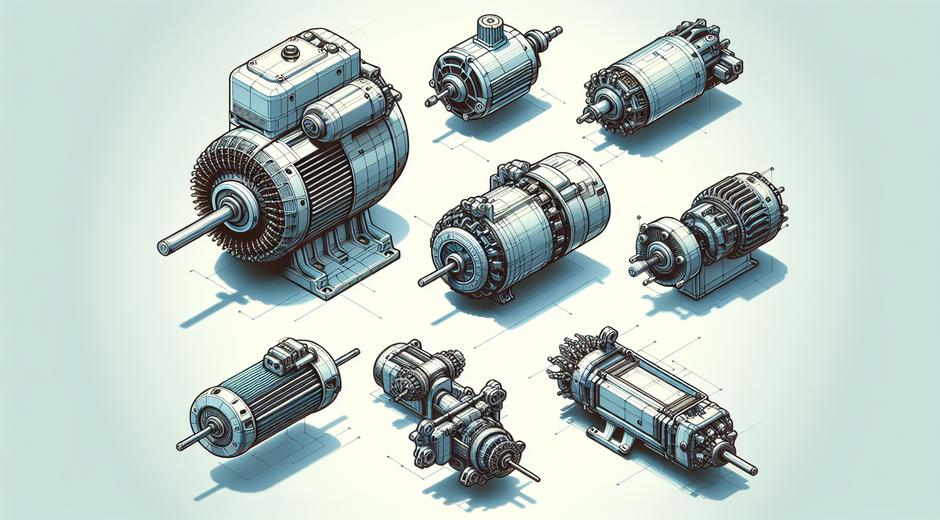


Electric motor types A complete guide for cars
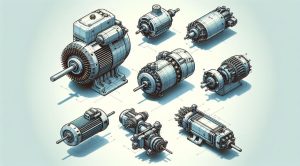
Understanding Electric motor types is essential for anyone interested in modern cars and electric mobility. The shift from traditional engines to electric drive systems has changed how cars are designed and how they perform. This guide explains the main motor types used in automotive applications and compares their strengths weaknesses and best use cases. Whether you are a hobbyist a technician or a vehicle buyer this guide will help you make informed choices.
Why motor type matters in a car
The choice of electric motor affects vehicle range efficiency response and maintenance. Different Electric motor types deliver varying amounts of torque at different speeds. Some are compact while others are robust and suited for heavy duty use. Knowing which motor type is inside a vehicle can help predict its driving character and long term ownership costs. For more deep dives into car technology visit autoshiftwise.com where we cover models comparisons and upgrade tips.
Direct current motors basic overview
DC motors were among the first electric motors used in vehicles. They come in two common forms brushed and brushless. Brushed DC motors use carbon brushes that make physical contact with a commutator to switch current. They are simple and can deliver strong torque at low speed but require regular maintenance due to brush wear. Brushless DC motors move the switching logic to an electronic controller. This removes the need for brushes which reduces maintenance increases reliability and improves efficiency. Brushless designs are widely used in modern cars for auxiliary systems and inverters for traction drive.
Alternating current motors key types
AC motors include induction motors and synchronous motors. Induction motors operate without permanent magnets and rely on electromagnetic induction to produce torque. They are rugged cost effective and can be used in a wide range of power levels. Synchronous motors use a magnetic field that rotates in sync with the supply current. When permanent magnets are used they are called permanent magnet synchronous motors and they offer high efficiency and compact size which is why many electric cars use them for traction drive.
Permanent magnet motors
Permanent magnet motors place strong permanent magnets in the rotor. This allows for high torque density and excellent efficiency especially at partial loads. They are a common choice for passenger cars where weight and range are priorities. One trade off is that rare earth materials are often used which can affect cost and supply stability. Advances in design seek to reduce reliance on scarce materials while preserving the benefits of this motor type.
Induction motors in electric cars
Induction motors do not use permanent magnets. They are simple durable and can tolerate harsh conditions. Torque production depends on the slip between rotor speed and the rotating magnetic field. These motors are often chosen for applications where cost and reliability are critical. They tend to be slightly heavier for a given power level when compared with permanent magnet motors but they are less dependent on critical raw materials.
Switched reluctance motors and emerging designs
Switched reluctance motors are gaining attention because of their simple robust rotor construction. The rotor does not contain windings or magnets which can lower cost and improve thermal stability. Control is more complex and acoustic noise can be an issue so ongoing engineering work is focused on electronic control strategies and mechanical refinement. As a result this motor type is appearing more often in research projects and some production vehicles for specific roles.
Stepper motors and servo motors in automotive systems
Stepper motors and servo motors are used for precise control tasks rather than primary traction. Stepper motors provide accurate position control without feedback in some cases and are used in HVAC systems throttle control and instrument clusters. Servo motors provide closed loop control for steering actuators throttle actuators and active suspension systems. These motor types are part of the broader family of Electric motor types that support modern vehicle functionality.
Linear motors and specialty formats
Linear motors convert electrical energy directly into linear motion. They are less common in passenger cars but find use in specialized systems such as actuators for seats doors and convertible roofs. In larger transport contexts linear motors can be used in maglev trains but in the car world they are mainly for targeted functions where straight line motion is needed without mechanical linkages.
Performance comparison criteria
When evaluating Electric motor types for a car consider these criteria
1 Torque delivery and torque curve This determines how the car feels during acceleration.
2 Efficiency Higher efficiency equals longer range for electric cars and lower energy use for hybrids.
3 Weight and size These affect vehicle packaging and handling.
4 Cost Material cost manufacturing complexity and supply impact final price.
5 Thermal stability How well the motor handles heat affects sustained performance and reliability.
6 Control complexity Some motors require sophisticated electronic control which can increase development and maintenance costs.
Maintenance and reliability
Different Electric motor types demand different care. Motors with brushes have predictable wear parts and need periodic service. Brushless designs reduce routine maintenance but rely on electronic controllers which must be protected from moisture dust and voltage spikes. Induction motors are simple and durable but may need attention to bearings and cooling. For consumers regular inspection of connectors cooling systems and software updates for the controller can extend lifespan and maintain efficiency.
Choosing the right motor type for a car
Urban commuters benefit from motors that offer smooth low speed torque and high efficiency at partial loads. Compact permanent magnet motors are often ideal. For heavy vehicles or commercial use robust induction or switched reluctance motors may be preferable. High performance vehicles prioritize motors that can sustain high power output with precise control so advanced synchronous motor designs or multi motor configurations are common. The final choice must balance cost range performance and available infrastructure for service.
Trends shaping the future of Electric motor types
Future trends include wider adoption of power dense designs improved control electronics and a shift in material usage to reduce reliance on scarce metals. Integration of the motor with the transmission or inverter can reduce weight and improve efficiency. Research into solid state components and more advanced cooling methods promises better performance. Vehicles will also see more tailored motor choices as manufacturers optimize for niche use cases.
Where to find more industry news and research
For updates on market trends technical advances and press reports a trusted resource is helpful. Industry watchers can follow curated news feeds and archives such as Newspapersio.com to track launches regulatory changes and research milestones that affect Electric motor types and automotive technology at large.
Conclusion
Electric motor types determine how a car accelerates how far it can travel and how much service it will need. From classic DC motors to advanced synchronous designs each type offers a different blend of benefits. Understanding these differences will help consumers and professionals choose the best motor for a given vehicle application. As electric mobility grows the variety of motor types will expand and improve creating more options for drivers and fleet operators.