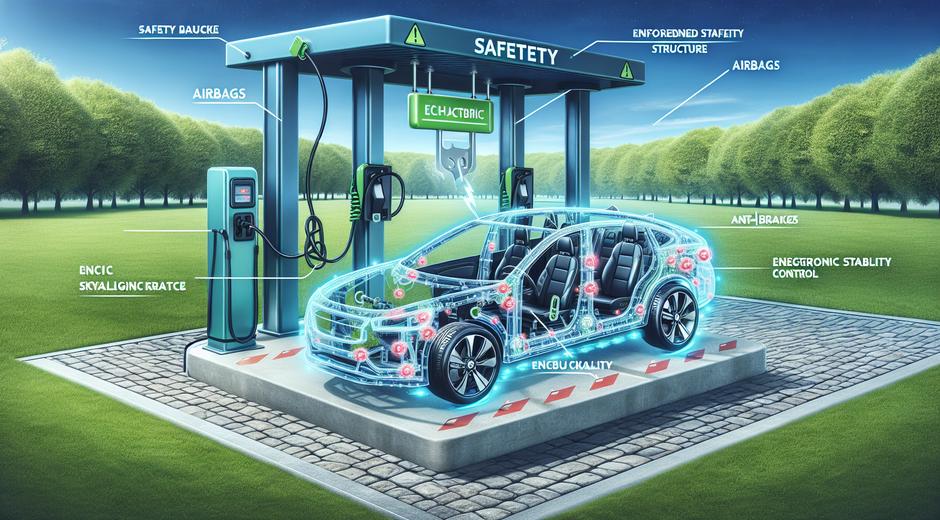


Electric vehicle safety Comprehensive Guide for Drivers and Owners
Electric vehicle safety is a priority for anyone who owns or plans to buy a vehicle powered by electricity. As more drivers choose electric models for their efficiency and lower environmental impact, understanding the unique safety considerations of these vehicles helps protect passengers property and first responders. This guide covers core topics from battery care and charging practices to crash protection and cybersecurity so you can drive with confidence.
Why Electric vehicle safety matters
Electric vehicle safety extends beyond the mechanics of a traditional engine. Battery systems store large amounts of energy and require specific handling during charging maintenance and collisions. Vehicles often incorporate advanced electronics sensors and software that influence crash avoidance and recovery. Proper knowledge reduces risks and improves the overall ownership experience while supporting public confidence in electric mobility.
Battery systems and charging safety
The battery is the central component when discussing Electric vehicle safety. Modern battery packs are designed with multiple layers of protection including thermal management systems separators and control modules. Still owners should follow manufacturer guidance when charging and storing the vehicle. Use certified charging equipment and avoid using adapters or cords that are not approved for your model. Always inspect cables and plugs for damage and keep charging areas free from clutter and water.
Fast charging is convenient but it can raise component temperatures. Most vehicles manage this automatically but regular maintenance ensures sensors and cooling systems operate properly. Do not attempt home modifications to the battery system. If you notice unusual smells swelling or warning lights contact a certified technician. For trustworthy industry resources and general car guides visit autoshiftwise.com for more information about best practices and model specific notes.
Crash safety and occupant protection
Electric vehicles perform well in crash tests due to rigid chassis design and the placement of heavy battery packs low in the vehicle. This placement lowers the center of gravity which reduces rollover risk and improves handling. However Electric vehicle safety in collisions also requires attention to emergency disconnects that allow first responders to safely isolate high voltage systems. Familiarize yourself with your vehicle manual so you can relay correct information in an emergency.
Seat belts airbags and structural reinforcements remain the first line of defense for occupants. Child seat installation follows the same principles used in other vehicles but be mindful of seat anchor locations that may differ by model. Many vehicles include advanced driver assistance systems that contribute to accident avoidance. Always keep those systems active and updated to maintain peak performance.
Road safety and driving habits
Good driving habits are a crucial component of Electric vehicle safety. Regenerative braking changes how a car responds when you lift your foot from the accelerator and can affect following distances and braking feel. Practice in safe environments to adapt to this behavior. Road awareness remains essential especially around pedestrians and cyclists. Because electric vehicles can be quieter at low speeds extra caution in urban areas helps prevent incidents.
Weather conditions influence range and performance. Cold temperatures reduce battery efficiency so plan trips conservatively during winter months and precondition the cabin while the vehicle is still plugged in. In extreme heat monitor cooling systems and avoid prolonged exposure to direct sun when possible. Tire pressure and tread depth remain important for stability especially given the typical weight of electric models.
Maintenance inspection and routine care
Routine maintenance supports Electric vehicle safety and extends the life of critical components. Follow the manufacturer recommended service schedule for battery health checks inverter and cooling system inspections and software updates. Many service items differ from conventional cars so choose a service center experienced with electric models. Keep records of maintenance and repairs to support warranty claims and resale value.
Inspect charging equipment periodically and replace cables or adapters that show wear. If you replace tires choose options that match the load rating and size recommended for your vehicle to maintain handling and braking performance. Avoid aftermarket modifications that could alter battery cooling or electrical wiring without professional approval.
Emergency procedures and first responder information
Knowing how to act after a crash improves Electric vehicle safety for you and emergency personnel. If a collision occurs move to a safe location if you can do so. Do not touch exposed wiring and avoid standing near damaged battery modules. Most manufacturers include quick reference cards in the glove box with vehicle specifics for first responders. Share this information with family and frequent passengers.
First responders follow protocols to isolate high voltage circuits and assess fire risk. Battery fires require different suppression techniques and may reignite hours after the initial incident. If you are trained and equipped do not attempt to move a severely damaged battery pack. Instead alert professionals and provide accurate vehicle details so responders can prepare appropriate resources.
Cybersecurity software updates and connected features
Modern electric vehicles rely on connected systems for navigation climate control and remote services. From a safety perspective software integrity is part of Electric vehicle safety. Keep firmware updates current to protect against vulnerabilities that could affect driving controls or telematics. Use strong passwords for companion apps and avoid sharing access credentials. Disable non essential remote features if you suspect your account has been compromised.
Manufacturers and suppliers continue to improve car network segmentation and encryption. Still owners should practice basic digital hygiene and monitor for unusual vehicle behavior such as unexpected reboots or false alerts. Report concerns to the dealer and the vehicle maker so they can investigate potential security incidents.
Sustainable disposal and battery recycling
End of life practices affect public safety and the environment. Proper recycling of battery modules reduces the risk of environmental contamination and uncontrolled thermal events. Many communities and manufacturers offer take back programs for used batteries and components. Learn local options and never discard battery modules with regular household waste.
Recycling infrastructure is growing as electric vehicle adoption rises. Responsible programs promote material recovery and reuse which supports the overall sustainability of electric mobility. For resources on eco friendly practices and related products consider visiting BioNatureVista.com to explore solutions that align with safe sustainable ownership.
Buying tips to maximize Electric vehicle safety
When shopping for an electric car prioritize safety features and proven crash performance. Look for models with high ratings from independent agencies and review the availability of advanced driver assistance systems. Consider warranty coverage for battery systems longevity and roadside assistance options that address charging related incidents. Ask about manufacturer guidance for storage and charging at home and any recommended inspection intervals.
Test drive several models to experience regenerative braking cabin ergonomics and visibility. Confirm installation requirements for home charging and consult a certified electrician for any upgrades to household wiring. These steps ensure that your new vehicle integrates safely with your daily routine and property.
Final thoughts on Electric vehicle safety
Electric vehicle safety is a multifaceted topic that spans mechanical electrical and digital domains. Awareness and proactive care reduce risks and enhance the many benefits these vehicles offer. Follow manufacturer recommendations perform regular maintenance adapt driving habits to the characteristics of electric models and keep software and charging infrastructure current. With proper attention EV ownership can be safe reliable and rewarding.
For ongoing news reviews and practical guides related to cars and electric models visit our site and stay informed about best practices and new developments in vehicle safety technology.