

Power conversion systems for modern vehicles
What are Power conversion systems and why they matter
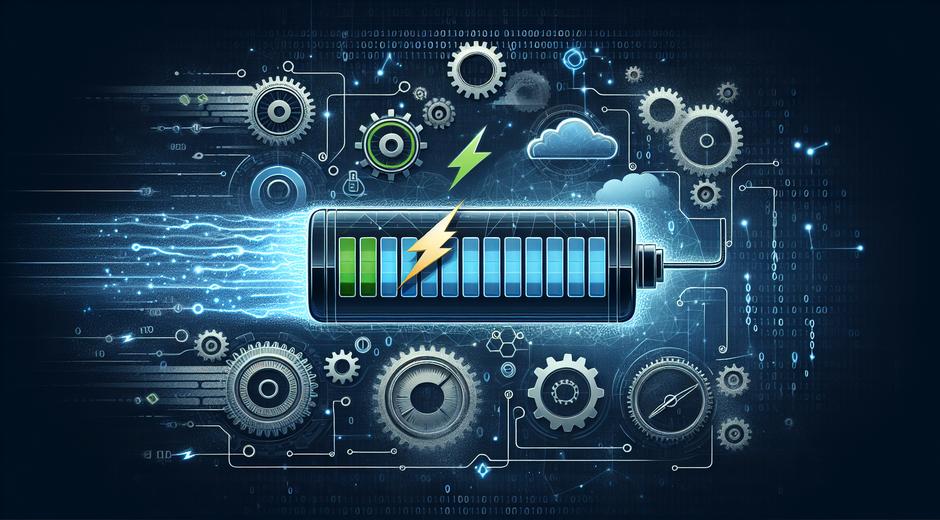
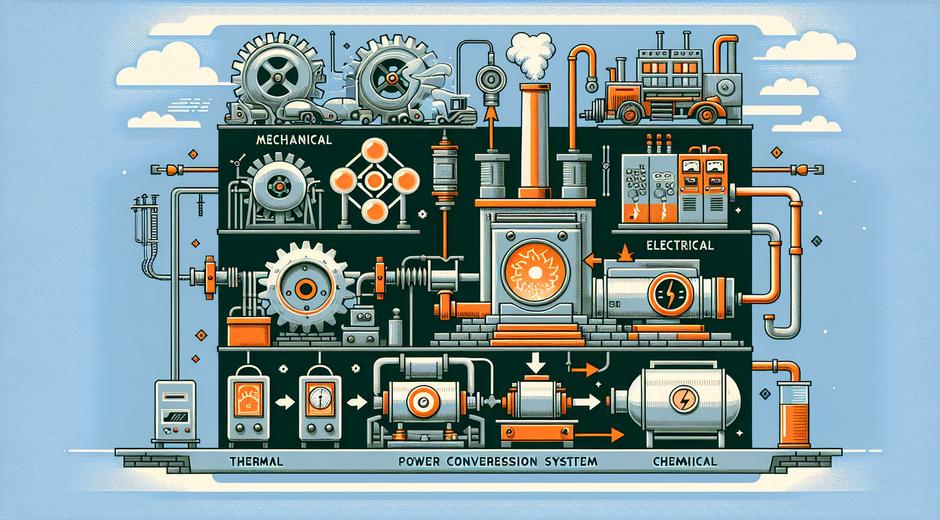
Power conversion systems are the backbone of modern vehicle electrification. In simple terms these systems convert electrical energy from one form or voltage level to another so that every component receives the right power at the right time. Whether the vehicle is a full electric vehicle or a hybrid the need for efficient reliable conversion is critical to performance range and safety. Advances in power conversion systems directly influence battery life charging speed accessory support and overall vehicle efficiency.
Core components in automotive Power conversion systems
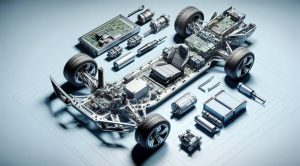
Automotive Power conversion systems include several core components each with a defined role. Power inverters change direct current from the traction battery into alternating current to drive electric motors. Onboard chargers convert alternating current from the grid into direct current to recharge the traction battery. DC to DC converters step down high voltage from the traction battery to lower voltages for vehicle electronics and lighting. Battery management systems monitor cell voltages temperature and state of charge to protect battery health. Each of these components must work together in real time to manage load transitions regenerative braking and charging events.
Inverter technology and efficiency improvements
Inverters are a key piece of Power conversion systems because they enable the motor to operate across a range of speeds and torques. Modern inverters use advanced power semiconductor materials such as silicon carbide to reduce switching losses and improve thermal performance. Improved switching algorithms and control software provide smoother torque delivery and reduced energy waste. Efficiency gains in inverter design translate into longer driving range and lower thermal management demands for the vehicle.
DC to DC conversion for vehicle electrical stability
The DC to DC converter plays a vital role in bridging the high voltage traction system and the vehicle low voltage network. It ensures that the 12 volt or 48 volt accessories such as lighting stereo and safety systems receive stable power regardless of battery condition. Robust DC to DC design includes protections against voltage spikes transient events and reverse current flow. For fleets and heavy duty applications two stage conversion strategies can improve resilience while simplifying control.
Onboard charging and grid integration
Onboard charging units are part of Power conversion systems that determine how quickly a vehicle can charge from alternating current sources. Smart onboard chargers support multiple charging modes and communicate with external infrastructure to optimize charging based on grid conditions. As vehicle to grid applications grow these chargers will also enable vehicles to return stored energy to the grid during peak demand providing a distributed energy resource. Integrating vehicle charging into smart grid ecosystems requires interoperable communication protocols and secure control layers.
Thermal management in Power conversion systems
Heat is an enemy of efficiency and longevity for power electronics. Effective thermal management extends the life of inverters converters and onboard chargers while maintaining reliability under heavy loads. Cooling strategies vary from liquid cooling to forced air systems and sometimes use thermal interface materials to reduce resistance. Designers must balance cooling performance with vehicle packaging constraints and cost considerations. Thermal monitoring sensors embedded in power modules allow active control strategies to modulate output and protect components.
Control algorithms and software defined power
The intelligence of Power conversion systems comes from control algorithms that manage switching timing voltage regulation and fault detection. Software defined power allows manufacturers to update system behavior over the air enabling improvements in efficiency safety and user experience without hardware changes. Predictive control techniques can optimize energy flow based on driver behavior route profile and real time traffic conditions. Secure software frameworks are essential to protect against cyber threats as power electronics gain connectivity.
Regenerative braking and energy recovery
Regenerative braking is a defining capability in modern electric and hybrid vehicles. Power conversion systems must capture kinetic energy during braking convert it to electrical energy and route it back into the battery efficiently. The conversion chain includes inverter control motor acting as a generator and bidirectional DC to DC or battery interfacing hardware. Maximizing recovered energy requires tight coordination between braking systems motor control and battery acceptance rates. Effective regenerative strategies can improve overall vehicle economy and reduce wear on mechanical brakes.
Testing validation and compliance
Rigorous testing is mandatory for Power conversion systems to meet automotive reliability requirements and safety standards. Validation protocols assess electromagnetic compatibility thermal cycling transient behavior and fault tolerance. Compliance with industry standards ensures interoperability between vehicle components and charging infrastructure. Continuous testing through simulation hardware in the loop and real world driving helps identify failure modes early and improves design resilience.
Trends shaping the future of Power conversion systems
Several trends will shape the next generation of Power conversion systems. Modular architectures will enable scalable platforms across vehicle families reducing time to market and production cost. Higher battery voltages will reduce current levels and lower conductor sizes improving overall efficiency. Wide bandgap semiconductors will become mainstream enabling higher switching frequencies and smaller passive components. Integration of artificial intelligence will allow adaptive optimization of energy flow. Finally increased focus on recyclability and material sourcing will influence design choices to improve sustainability.
Practical considerations for owners and fleet managers
For vehicle owners and fleet managers understanding Power conversion systems can help make better decisions on maintenance charging infrastructure and total cost of ownership. Regular inspection of cooling systems software updates and charging hardware can prevent avoidable failures. Choosing vehicles with efficient power electronics and strong manufacturer support leads to lower operating costs. Fleets should consider end to end energy management strategies including charging schedules and renewable energy integration to lower energy costs and emissions.
Where to learn more and how we can help
As a resource for all things automotive our site covers technology trends practical maintenance tips and comparative guides for buyers. For more detailed articles and the latest updates visit autoshiftwise.com where we unpack complex systems in easy to follow formats. If you want to explore broader technical references and complementary resources check out TasteFlavorBook.com for additional material that supports deeper study.
Conclusion
Power conversion systems are a central pillar of modern vehicle design. They influence vehicle range performance safety and the user experience. Advances in materials control and thermal management continue to push the boundaries of what is possible. Whether you are a consumer considering an electric vehicle or a professional working on fleet optimization understanding the fundamentals of power conversion helps make smarter choices. Embrace the innovations and keep informed to maximize performance and longevity of your vehicle systems.