Electric vehicles have reshaped how the automotive world thinks about power, performance, and control. Instant acceleration and silent motion are major benefits, but beneath the smooth surface lies a deeper innovation that defines how modern EVs behave. This innovation is Torque Control, a precision engineering system that governs how power is delivered to the wheels.
While combustion engines rely on mechanical differentials, gears, and clutches, electric vehicles use digital systems and electric motors to manage torque with incredible accuracy. Torque Control provides stability, agility, safety, and performance in every driving environment. It is the unseen intelligence that determines whether an electric vehicle feels refined or unpredictable.
What Torque Control Really Means
Torque refers to rotational force. In a vehicle, torque is what turns the wheels and moves the car forward. Traditional cars manage torque through mechanical systems that distribute power between wheels.
Electric vehicles use software based Torque Control. This means torque can be adjusted instantly, precisely, and independently at each wheel. Instead of relying on friction or mechanical delay, the system makes digital calculations in milliseconds.
With this capability, EVs can:
• Improve traction in all weather conditions
• Enhance cornering accuracy
• Reduce wheel slip
• Optimize energy use
• Deliver smoother acceleration
• Support high performance driving
Precision is the key. Torque Control allows electric motors to fine tune wheel behavior in ways combustion engines could never achieve.
How Electric Motors Enable Superior Torque Control
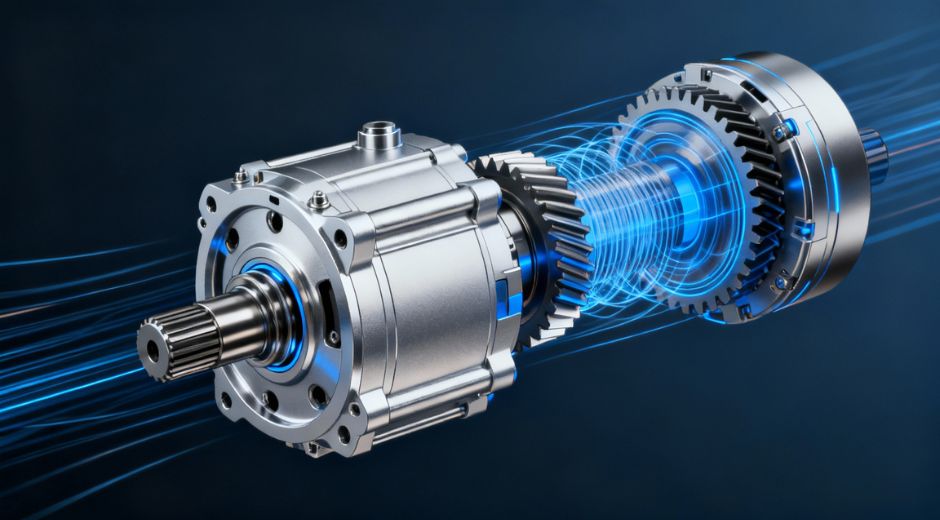
Electric motors generate maximum torque from zero rpm. This raw power is flexible and easy to regulate electronically.
Unlike in a combustion vehicle, EV torque does not depend on engine speed, gear selection, or throttle builds. Instead, Torque Control can immediately increase or decrease torque at each wheel, based on real time conditions.
This immediate responsiveness allows EVs to maintain stability in situations that would challenge traditional cars. Snow, rain, gravel, wet pavement, and steep inclines all become easier to manage with well tuned torque strategies.
The Role of Sensors in Torque Control
Modern electric vehicles use complex networks of sensors to guide Torque Control functions. These sensors monitor:
• Wheel rotation
• Traction levels
• Steering angle
• Road grip
• Lateral movement
• Weight distribution
• Driver input
• Weather conditions
All this information is processed by onboard computers that decide how much torque to send to each wheel. The vehicle continually adjusts torque distribution to maximize stability and comfort.
Torque Vectoring: The Advanced Evolution
One of the most advanced forms of Torque Control is torque vectoring. This system actively pushes more torque to specific wheels to improve handling.
For example:
• During a left turn, more torque is sent to the right wheels
• On slippery surfaces, torque is directed to the wheels with the most grip
• During high speed cornering, torque vectoring enhances stability and reduces understeer
This dynamic adjustment allows EVs to corner smoothly and confidently. Torque vectoring makes the car feel both agile and controlled.
Traction on Wet and Snowy Roads
Winter driving is a major challenge for traditional vehicles. Slippery surfaces reduce grip and increase sliding risk.
Torque Control changes everything. EVs can sense slip instantly and adjust power before the driver even notices instability. With independent wheel control, the system reduces torque to slipping wheels and increases torque to wheels with traction.
This rapid adjustment improves:
• Acceleration on snow
• Hill climbing on ice
• Cornering on wet surfaces
• Emergency braking stability
Drivers feel safer and more confident because the car behaves predictably even in challenging weather.
Torque Control in Off Road Environments
Off road electric vehicles benefit greatly from Torque Control. On uneven terrain, wheels may lose grip or lift slightly. Without intelligent torque distribution, traditional vehicles lose stability.
With digital control, EVs manage:
• Rock crawling
• Sand driving
• Mud traction
• Steep inclines
• Wheel articulation
Torque can be reduced, increased, or balanced instantly. This prevents wheel spin and ensures the vehicle maintains forward motion. Even challenging obstacles become manageable with well tuned torque strategies.
Performance Driving and Acceleration
EVs are known for impressive acceleration. Torque Control plays a crucial role in making power delivery smooth and safe.
Instead of spinning wheels during aggressive launches, the system gradually increases torque where needed. This preserves tire life, improves traction, and gives drivers a refined performance experience.
High performance EVs use torque vectoring to maintain stability at speed. This ensures that even during spirited driving, the vehicle feels composed.
Regenerative Braking and Torque Coordination
Regenerative braking systems use the electric motors to slow the vehicle and recover energy. Torque Control determines how much braking force is delivered to each wheel.
This affects:
• Stability under deceleration
• Smoothness of braking
• Energy recovery efficiency
By coordinating torque during braking, EVs maintain safe handling and maximize range.
Battery Efficiency Through Torque Management
Good Torque Control also protects the battery. Sudden torque spikes draw heavy current, which can generate heat and reduce efficiency.
Advanced systems smooth out these spikes, improving energy use and allowing longer range. By distributing torque evenly, the system avoids unnecessary strain on the battery and motors.
Safety Systems Supported by Torque Control
Many safety features rely on torque adjustments. These include:
• Stability control
• Traction control
• Anti slip regulation
• Cornering assist
• Hill descent control
• Emergency avoidance maneuvers
A vehicle with precise torque management can respond faster to potential hazards. This reduces risk and improves driver confidence.
The Influence of Torque Control on Ride Comfort
Comfort is not only about suspension. Torque affects how the car feels when accelerating, braking, or turning.
When Torque Control is smooth, passengers feel fewer jolts or abrupt movements. Power delivery becomes fluid and balanced. This is especially noticeable in stop and go traffic.
The refinement adds to the overall premium experience of electric mobility.
Software Updates and Continuous Improvement
Many EV manufacturers update Torque Control through over the air software improvements. This means vehicles evolve over time, gaining smoother behavior and better dynamics without any mechanical changes.
Companies like Tesla, BMW, Hyundai, and Mercedes continuously refine algorithms to improve traction and handling.
Industry reports from Reuters Automotive highlight how over the air software updates have become a defining competitive advantage in EV development. More details can be found at reuters.com/business/autos-transportation.
Torque Control in Sporty Electric Models
Electric sports cars rely heavily on torque vectoring for sharp handling. Performance EVs from Porsche, BMW, Audi, and Tesla use advanced control systems to deliver thrilling yet predictable driving.
The car feels agile, stable, and responsive because each wheel gets exactly the power it needs. Enthusiasts appreciate how Torque Control enhances confidence during spirited cornering.
Future of Torque Control
As electric technology evolves, Torque Control will become more sophisticated. Future systems will feature:
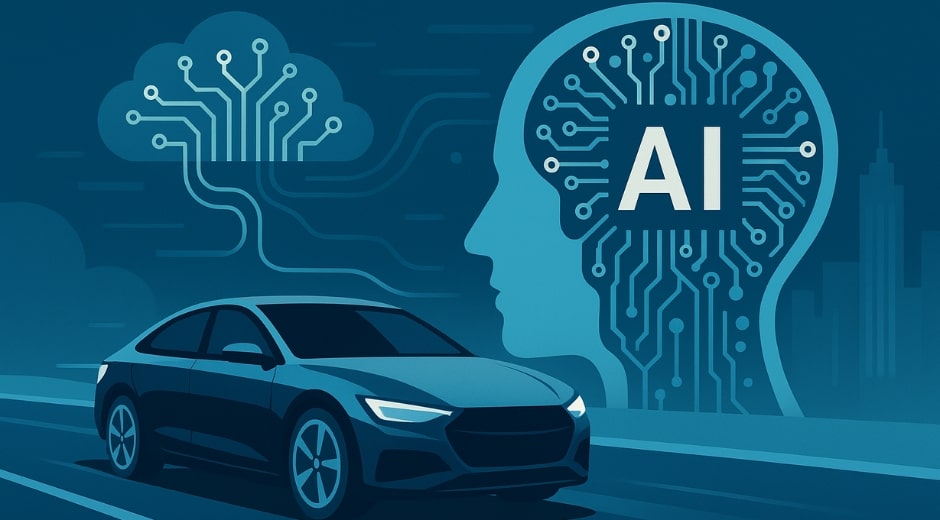
• AI driven torque strategies
• Predictive traction management
• Integrated weather adaptation
• Connected road condition data
• Real time tire temperature analysis
• Adaptive torque behavior based on driver emotion
The next generation of EVs will feel even more stable, intuitive, and responsive.
To explore how torque technologies shape future electric performance StudySkillUP, or visit AutoShiftWise for more updates.
Conclusion
Torque Control is one of the most important technologies defining modern electric vehicles. It transforms raw power into refined motion, enhances stability, and supports safety across every type of driving environment.
From icy roads to mountain trails and high speed highways, torque intelligence ensures electric mobility remains predictable and enjoyable. As the industry evolves, advanced control systems will continue driving the future of dynamic EV performance.